AEM Electrolyzers: Cost-Effective & Efficient Hydrogen Production

AEM: Our Innovative Electrolyzer Merging Cost and Efficiency

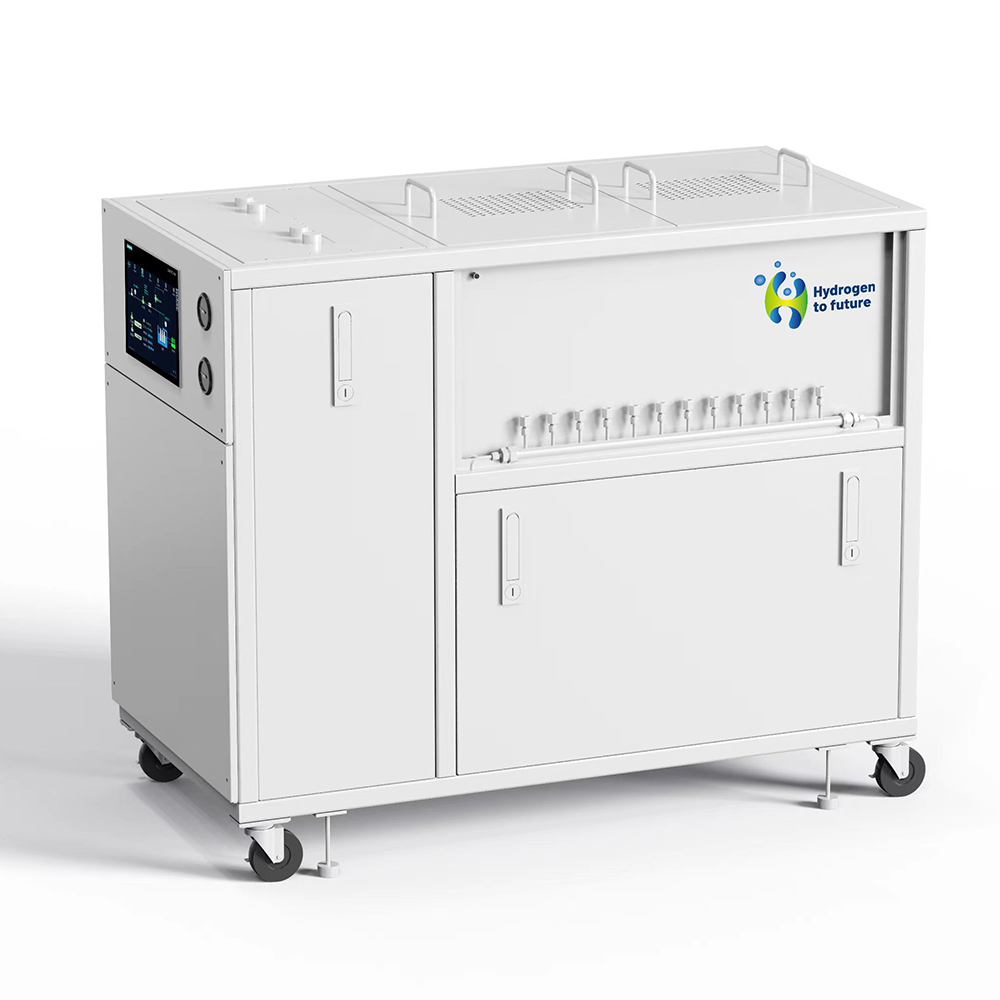
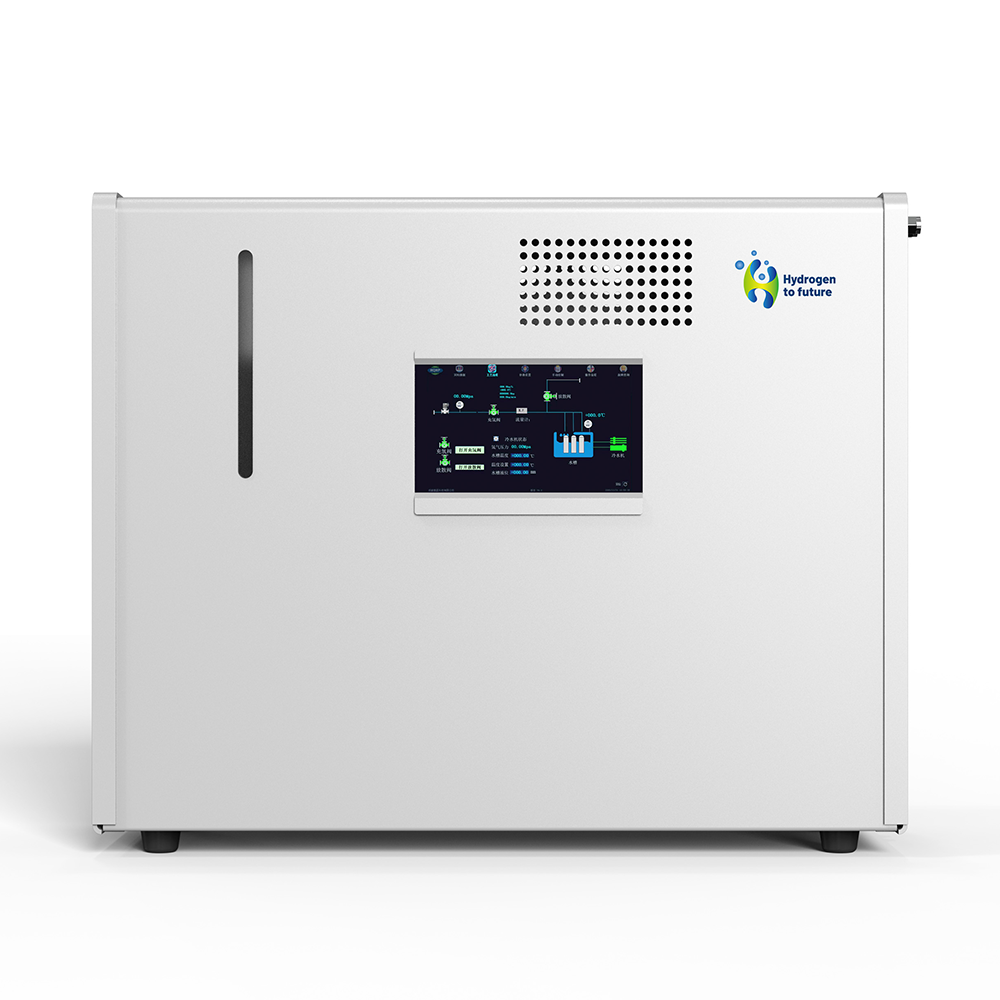
Our AEM electrolyzers use anion exchange membranes, combining the cost advantages of alkaline electrolyzers and the high efficiency of PEM. With non-precious metal catalysts, they are in early commercialization, suitable for diverse hydrogen production needs.
Get A Quote

Why choose us?

Efficient integrated energy systems

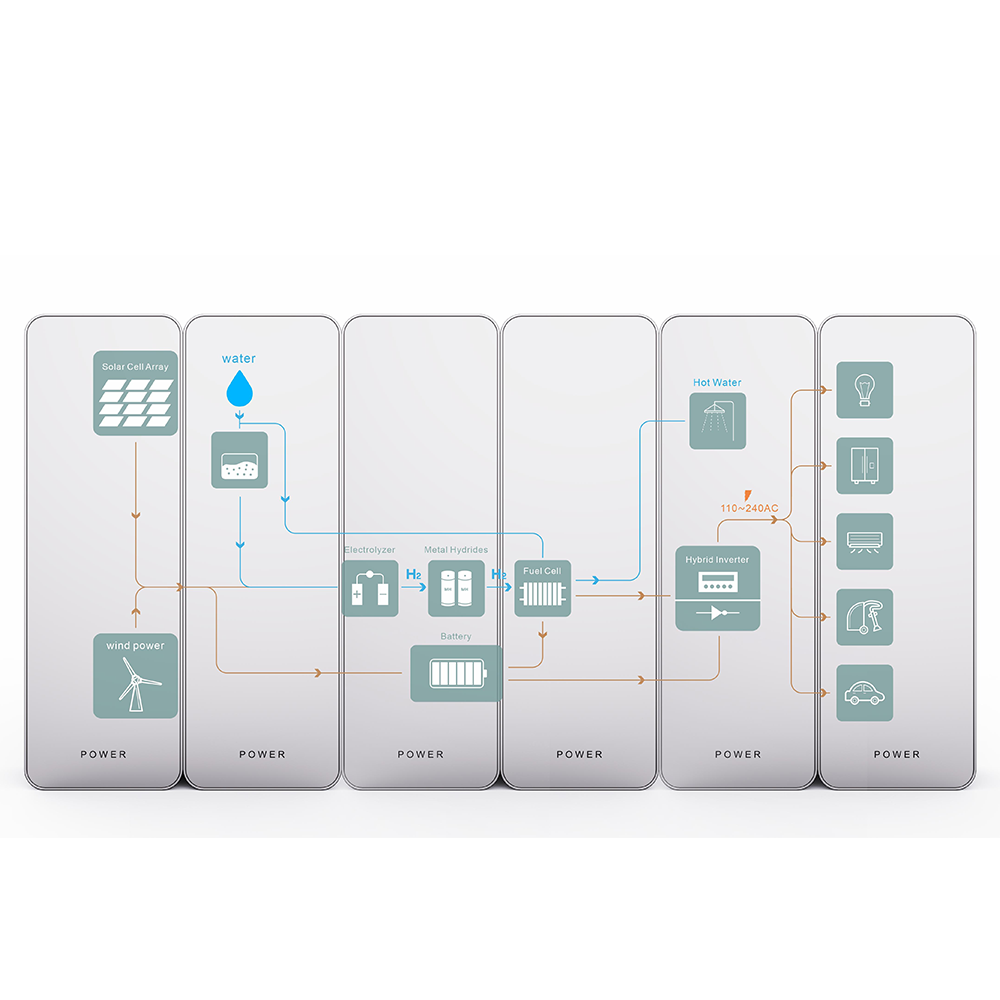
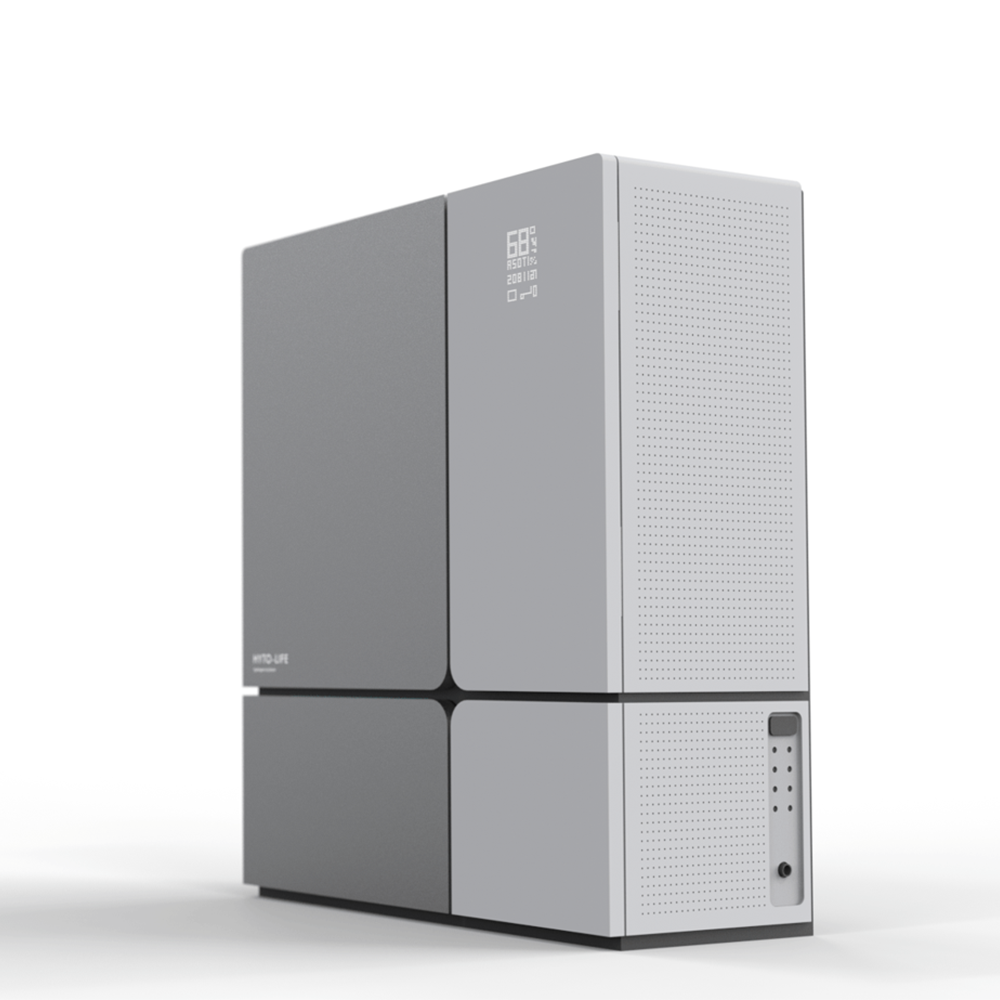
HPS-integrated systems (e.g., Picea 2) combine hydrogen production, storage, and power generation, with heat recovery to boost overall energy efficiency.

Reliable fuel cell logistics solutions

Similar to Plug Power, our PEMFC solutions for forklifts and logistics vehicles offer reliable, clean power, serving enterprises like Amazon and Walmart.

Professional support for hydrogen vehicle components

Like GKN, we provide fuel cell system integration and hydrogen tank technology, supporting automakers in developing hydrogen-powered models.

Related products

AEM industrial deployment refers to the implementation of Anion Exchange Membrane (AEM) electrolyzers in industrial settings to produce hydrogen, leveraging their unique balance of cost efficiency and performance. Hyto Energy is at the forefront of advancing AEM industrial deployment, recognizing the technology’s potential to transform large-scale hydrogen production across sectors like manufacturing, energy, and transportation. AEM electrolyzers are well-suited for industrial deployment due to their use of non-precious metal catalysts (e.g., nickel-based), which significantly reduce material costs compared to PEM electrolyzers that rely on platinum. This cost advantage makes them attractive for industrial operators seeking to scale hydrogen production without incurring excessive capital expenses. Additionally, their ability to operate with moderate-purity water aligns with the practicalities of industrial water supplies, reducing the need for expensive pretreatment systems. In industrial settings, AEM electrolyzers can be integrated into existing energy infrastructure, including renewable energy sources like on-site solar or wind farms, enabling the production of green hydrogen to decarbonize processes such as steelmaking, chemical synthesis, and refining. Their modular design allows for incremental scaling, meaning industrial facilities can start with smaller systems and expand as hydrogen demand grows, minimizing initial investment risks. Hyto Energy focuses on optimizing AEM electrolyzers for industrial durability, ensuring they can withstand continuous operation under varying load conditions common in industrial environments. This includes enhancing membrane stability, improving system efficiency, and simplifying maintenance to reduce downtime. As AEM technology matures, its industrial deployment is poised to accelerate, offering a cost-effective pathway to large-scale green hydrogen production. For insights into how AEM electrolyzers can be integrated into specific industrial processes, contacting Hyto Energy is recommended.
Frequently Asked Questions

What is the lifespan of your hydrogen tanks?

Our hydrogen tanks are built for longevity. High-pressure gaseous tanks and liquid tanks have a long service life with proper maintenance, often lasting decades. Metal hydride systems also offer durable storage with stable performance over time.
Our HRS captures waste heat from fuel cells and electrolyzers, repurposing it for heating or additional power generation. This reduces energy waste, increasing the overall efficiency of our hydrogen energy systems.
Our electrolyzers, especially PEM, work excellently with solar and wind energy. Their fast response and efficiency make them ideal for converting intermittent solar and wind power into hydrogen, effectively storing excess renewable energy.
Yes, we offer training programs for operating and maintaining our hydrogen systems. These programs ensure users understand system functions, safety protocols, and basic troubleshooting, enabling smooth and safe operation.

Related Articles

Green Hydrogen: The Key to Achieving Carbon Neutrality in Energy Transition

28

Jun

Green Hydrogen: The Key to Achieving Carbon Neutrality in Energy Transition

The Critical Role of Green Hydrogen in Achieving Carbon NeutralityWhy Green Hydrogen is Essential for Energy TransitionGreen hydrogen is pivotal for the energy transition from fossil fuels to renewable sources, effectively serving as a clean energy c...
View More
Enapter PEM Electrolyzer: Compact Design for Residential and Commercial Green Hydrogen Production

25

Sep

Enapter PEM Electrolyzer: Compact Design for Residential and Commercial Green Hydrogen Production

Understanding PEM Electrolysis Technology for Green HydrogenHow PEM Electrolyzers Split Water into Hydrogen and OxygenThe fundamental process of PEM electrolysis involves the decomposition of water molecules into hydrogen and oxygen through the use o...
View More
Plug Power PEMFC: Leading Solutions for Forklift and Stationary Power Applications

25

Sep

Plug Power PEMFC: Leading Solutions for Forklift and Stationary Power Applications

Core Principles of Proton Exchange Membrane Fuel Cells Proton Exchange Membrane Fuel Cells (PEMFCs) are pioneering technologies transforming chemical energy into electrical energy through a clean electrochemical process. The process involves a fundam...
View More
HPS Picea System: Integrated Home Energy Solution Combining Electrolysis, Storage and Fuel Cell

13

Aug

HPS Picea System: Integrated Home Energy Solution Combining Electrolysis, Storage and Fuel Cell

Understanding Integrated Home Energy Solutions The Role of Renewable Energy in Modern Households Renewable energy has become a crucial element in the quest to reduce our carbon footprints and create sustainable households. Sources such as solar a...
View More

Customer Reviews

Rachel Adams

We tested Hyto’s AEM electrolyzer—combines alkaline’s affordability with PEM’s speed. Great for our mixed renewable input (solar + wind). Hydrogen purity is high, and it handles power fluctuations well. A smart middle ground.

Amanda Turner

As a startup, Hyto’s AEM electrolyzer was the right fit—lower upfront cost than PEM, efficient enough for our needs. It’s helped us produce green hydrogen for local clients without big investment. Reliable performance so far.

Get a Free Quote

Our representative will contact you soon.
0/1000
AEM Electrolyzer: Cost-Efficient Innovation Merging Alkaline and PEM Benefits

AEM Electrolyzer: Cost-Efficient Innovation Merging Alkaline and PEM Benefits

AEM electrolyzers use anion exchange membranes, combining the low cost of alkaline electrolyzers with the high efficiency of PEM systems. They employ non-precious metal catalysts, making them an emerging, cost-effective option suitable for early commercialization and diverse hydrogen production needs.