AEM Electrolyzers: Cost-Effective & Efficient Hydrogen Production

AEM: Our Innovative Electrolyzer Merging Cost and Efficiency

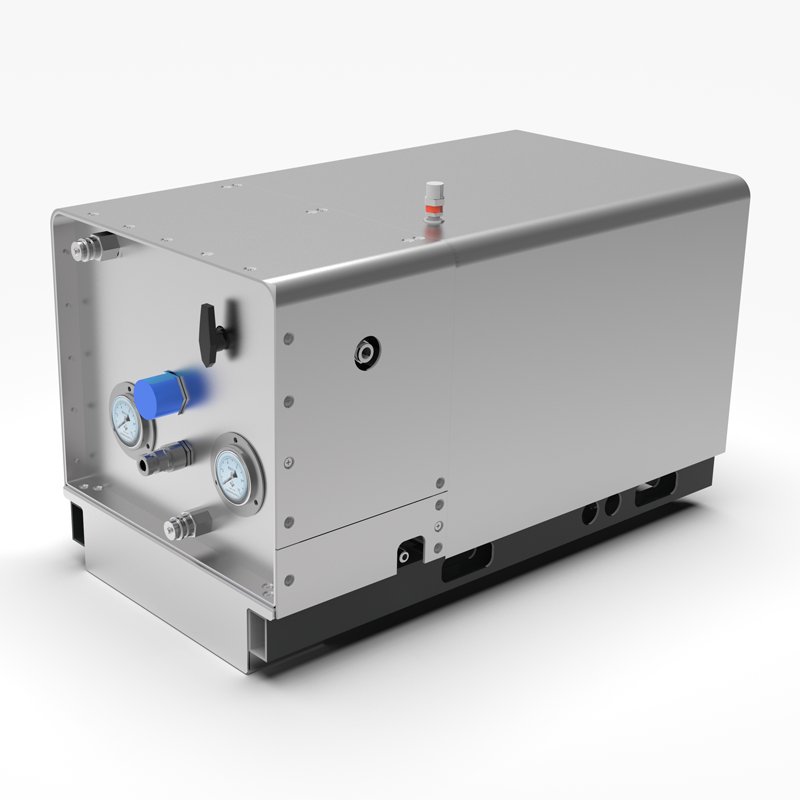
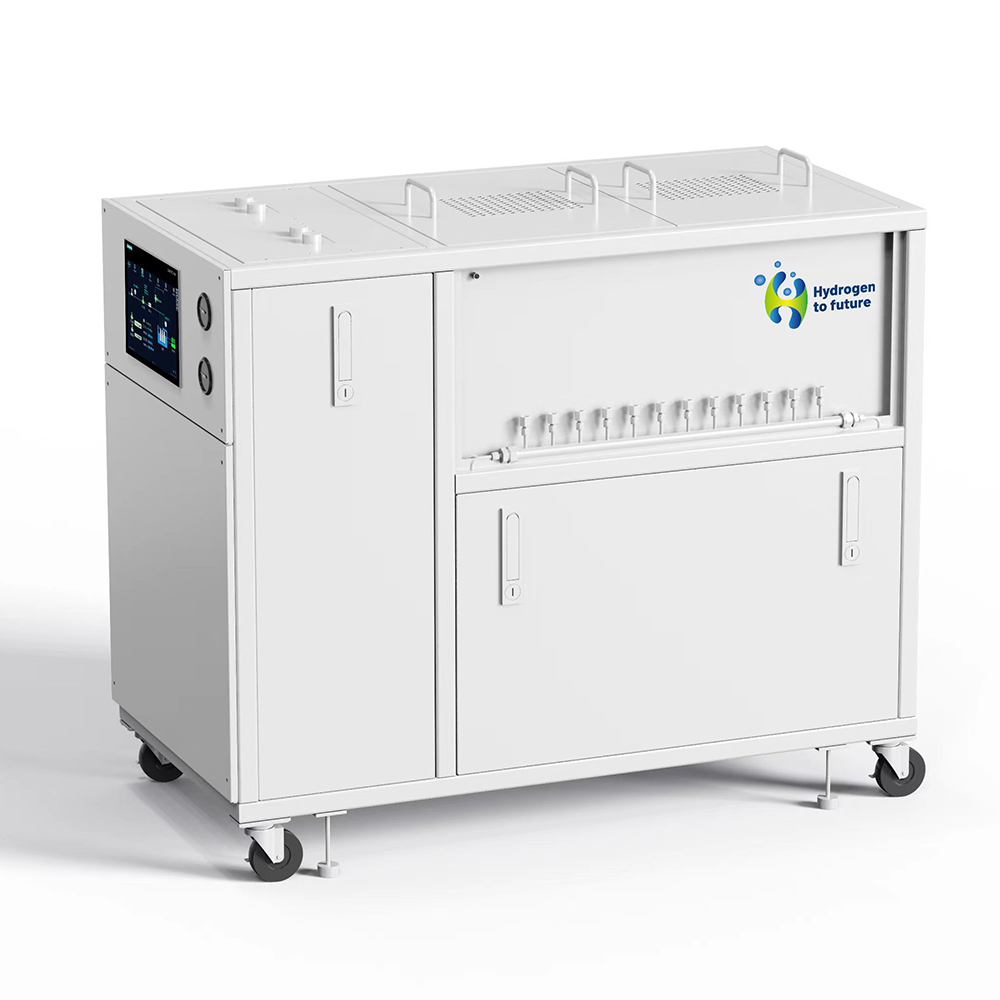
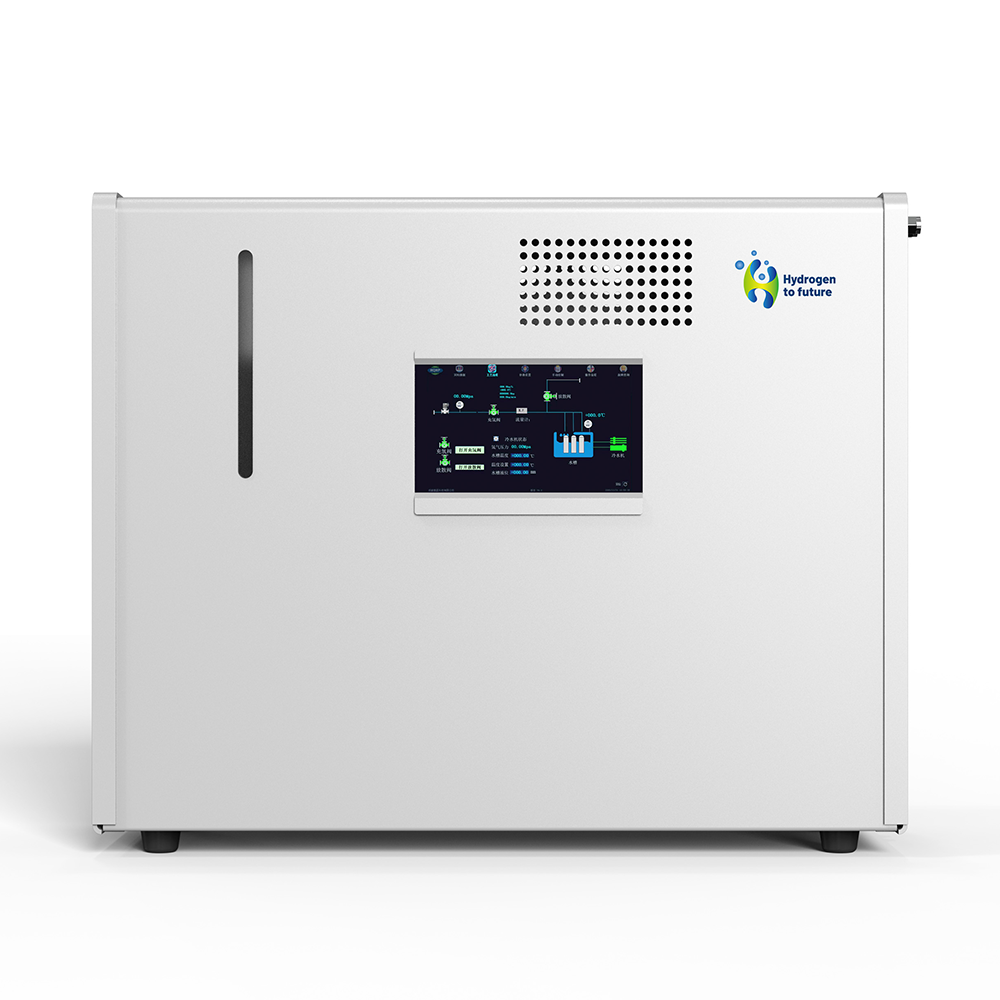
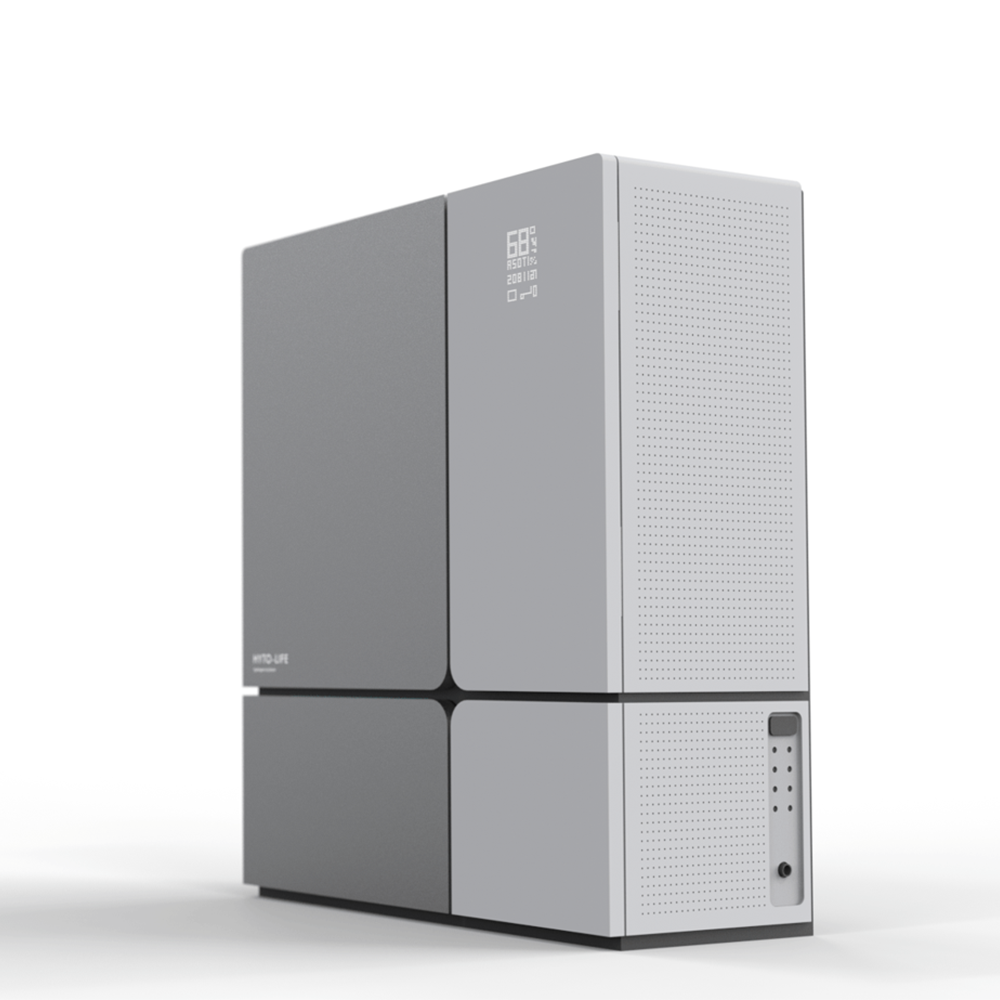
Our AEM electrolyzers use anion exchange membranes, combining the cost advantages of alkaline electrolyzers and the high efficiency of PEM. With non-precious metal catalysts, they are in early commercialization, suitable for diverse hydrogen production needs.
Get A Quote

Why choose us?

Modular design for flexible deployment

Following Enapter's model, our small, modular electrolyzers (PEM/AEM) enable flexible deployment in homes and commercial settings, with low maintenance.

Efficient integrated energy systems

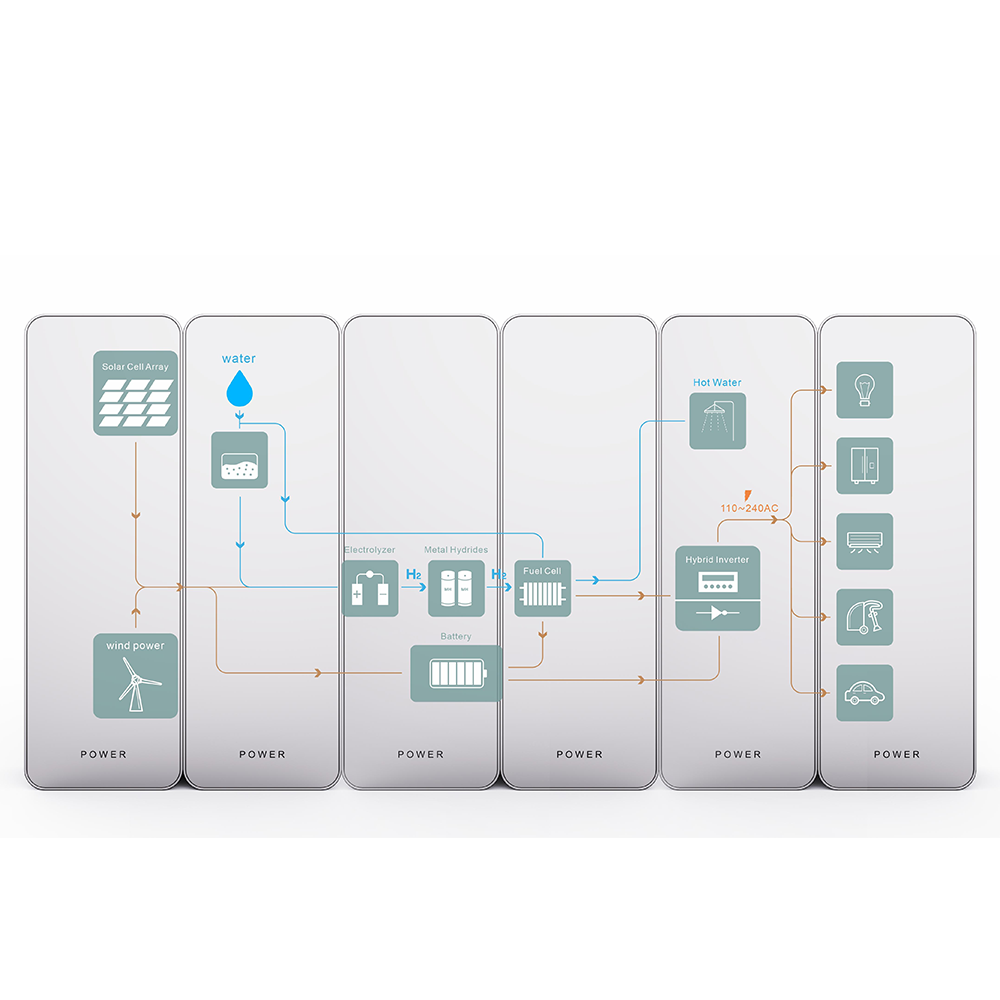
HPS-integrated systems (e.g., Picea 2) combine hydrogen production, storage, and power generation, with heat recovery to boost overall energy efficiency.

Reliable fuel cell logistics solutions

Similar to Plug Power, our PEMFC solutions for forklifts and logistics vehicles offer reliable, clean power, serving enterprises like Amazon and Walmart.

Related products

AEM electrolyzer efficiency refers to the ratio of electrical energy converted into the chemical energy of hydrogen in Anion Exchange Membrane (AEM) electrolyzers, a critical metric for evaluating their performance and cost-effectiveness. Hyto Energy prioritizes enhancing AEM electrolyzer efficiency, recognizing it as a key driver for the technology’s adoption in hydrogen production. AEM electrolyzer efficiency is influenced by several factors, including membrane conductivity, electrode performance, and system design. Hyto focuses on optimizing anion exchange membranes to maximize hydroxide ion transport, reducing internal resistance and energy losses during electrolysis. This involves developing membranes with high ionic conductivity while maintaining chemical stability in alkaline environments, a balance that directly impacts overall efficiency. Electrode design is another factor in improving efficiency. Hyto uses non-precious metal catalysts (e.g., nickel-based) with high activity for the water splitting reaction, ensuring that the electrochemical reactions at the anode and cathode proceed rapidly with minimal energy input. The catalysts are applied in uniform, porous layers to maximize surface area and facilitate efficient gas diffusion, further enhancing reaction rates. System-level optimizations also contribute to AEM electrolyzer efficiency. Hyto’s systems incorporate advanced flow field designs to ensure uniform water distribution across the stack, preventing dry-out or flooding that can reduce performance. Thermal management systems dissipate heat evenly, maintaining optimal operating temperatures (typically 60–80°C) where efficiency is maximized. Current AEM electrolyzer efficiency from Hyto approaches that of PEM electrolyzers (around 70–80%), with ongoing improvements targeting higher rates. This level of efficiency makes them suitable for integration with renewable energy sources, as a larger portion of the input clean electricity is converted into hydrogen, reducing the overall energy required for production. Higher efficiency also lowers operational costs, as less electricity is needed to produce each kilogram of hydrogen, making AEM electrolyzers more competitive with other technologies. Hyto’s commitment to enhancing AEM electrolyzer efficiency ensures that the technology continues to close the gap with established options. For detailed efficiency metrics under specific operating conditions, contacting Hyto Energy is recommended.
Frequently Asked Questions

How does AI enhance your hydrogen systems?

We integrate AI to optimize system performance. AI monitors electrolyzer efficiency, predicts maintenance needs, adjusts hydrogen production based on renewable energy input, and manages storage levels, ensuring optimal operation and energy utilization.
Our hydrogen tanks are built for longevity. High-pressure gaseous tanks and liquid tanks have a long service life with proper maintenance, often lasting decades. Metal hydride systems also offer durable storage with stable performance over time.
Our HRS captures waste heat from fuel cells and electrolyzers, repurposing it for heating or additional power generation. This reduces energy waste, increasing the overall efficiency of our hydrogen energy systems.
Yes, we offer training programs for operating and maintaining our hydrogen systems. These programs ensure users understand system functions, safety protocols, and basic troubleshooting, enabling smooth and safe operation.

Related Articles

Fuel Cell Technology: From Working Principles to Wide-Range Applications

28

Jun

Fuel Cell Technology: From Working Principles to Wide-Range Applications

How Fuel Cell Technology Works: Core Principles and Mechanisms The Electrochemical Reaction Behind Energy Generation Fuel cells generate energy through a remarkable electrochemical reaction, where hydrogen and oxygen interact to produce electricity,...
View More
Green Hydrogen: The Key to Achieving Carbon Neutrality in Energy Transition

28

Jun

Green Hydrogen: The Key to Achieving Carbon Neutrality in Energy Transition

The Critical Role of Green Hydrogen in Achieving Carbon NeutralityWhy Green Hydrogen is Essential for Energy TransitionGreen hydrogen is pivotal for the energy transition from fossil fuels to renewable sources, effectively serving as a clean energy c...
View More
PEM Electrolyzer: High-Efficiency Hydrogen Production for Renewable Energy Integration

20

Mar

PEM Electrolyzer: High-Efficiency Hydrogen Production for Renewable Energy Integration

In the global pursuit of carbon neutrality, green hydrogen has emerged as a core carrier of clean energy, bridging the gap between intermittent renewable energy and stable energy supply. Proton Exchange Membrane (PEM) electrolyzer stands out as a pi...
View More
Plug Power PEMFC: Leading Solutions for Forklift and Stationary Power Applications

25

Sep

Plug Power PEMFC: Leading Solutions for Forklift and Stationary Power Applications

Core Principles of Proton Exchange Membrane Fuel Cells Proton Exchange Membrane Fuel Cells (PEMFCs) are pioneering technologies transforming chemical energy into electrical energy through a clean electrochemical process. The process involves a fundam...
View More

Customer Reviews

Steven Clark

Our AEM electrolyzer balances cost and efficiency perfectly. Uses non-precious metals, so operational costs are low. Produces enough hydrogen for our small business, and it’s easy to scale up when needed. Early days, but performance exceeds expectations.

Rachel Adams

We tested Hyto’s AEM electrolyzer—combines alkaline’s affordability with PEM’s speed. Great for our mixed renewable input (solar + wind). Hydrogen purity is high, and it handles power fluctuations well. A smart middle ground.

Get a Free Quote

Our representative will contact you soon.
0/1000
AEM Electrolyzer: Cost-Efficient Innovation Merging Alkaline and PEM Benefits

AEM Electrolyzer: Cost-Efficient Innovation Merging Alkaline and PEM Benefits

AEM electrolyzers use anion exchange membranes, combining the low cost of alkaline electrolyzers with the high efficiency of PEM systems. They employ non-precious metal catalysts, making them an emerging, cost-effective option suitable for early commercialization and diverse hydrogen production needs.