Electrolyzers for Hydrogen Production | Alkaline, PEM & AEM

Electrolyzer: Our Alkaline, PEM & AEM Solutions for Hydrogen Production

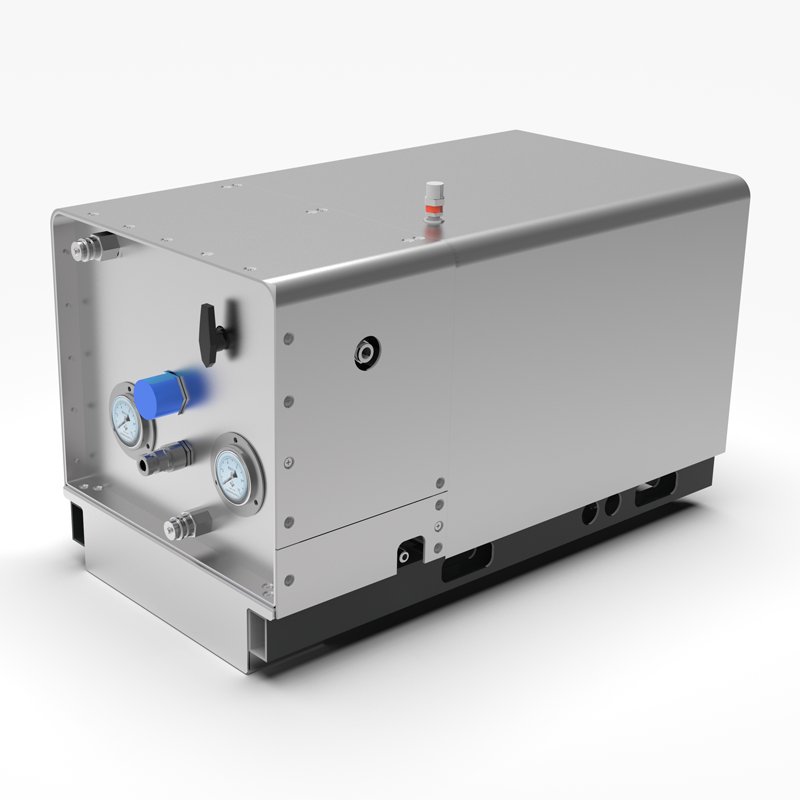
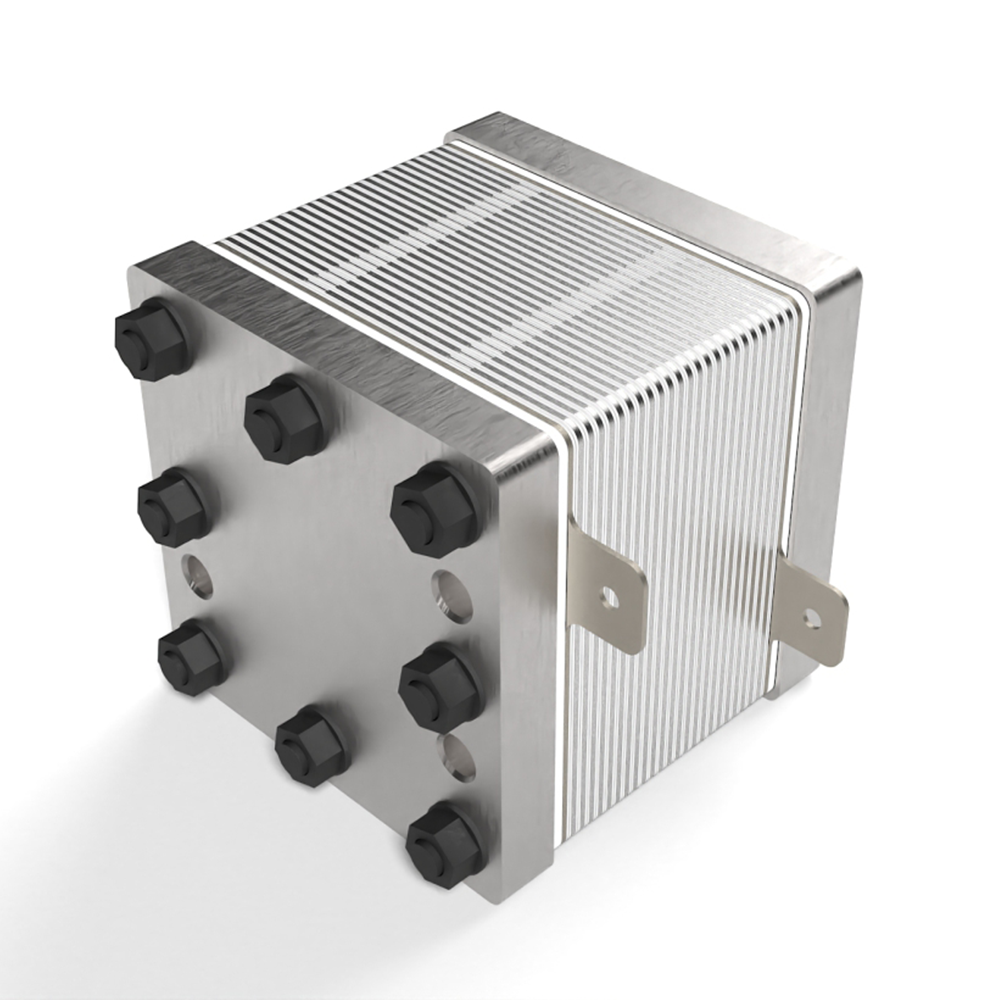
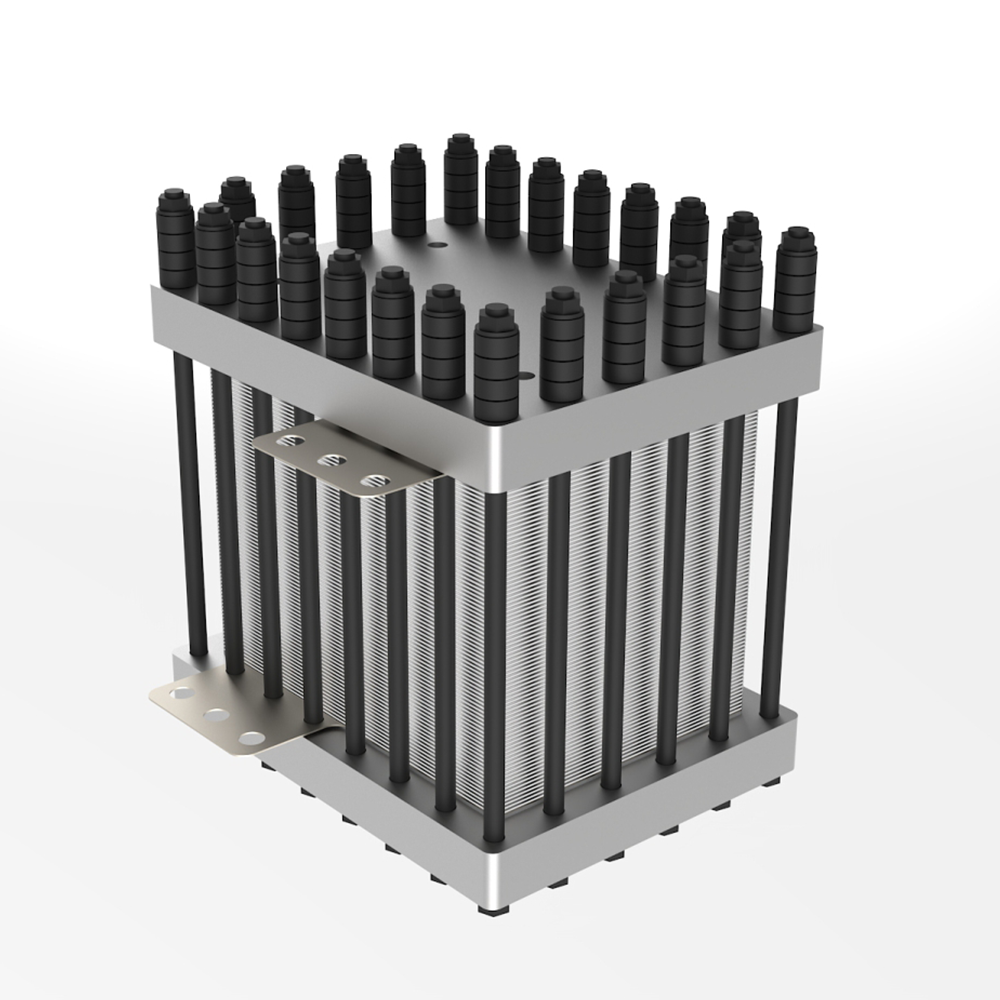
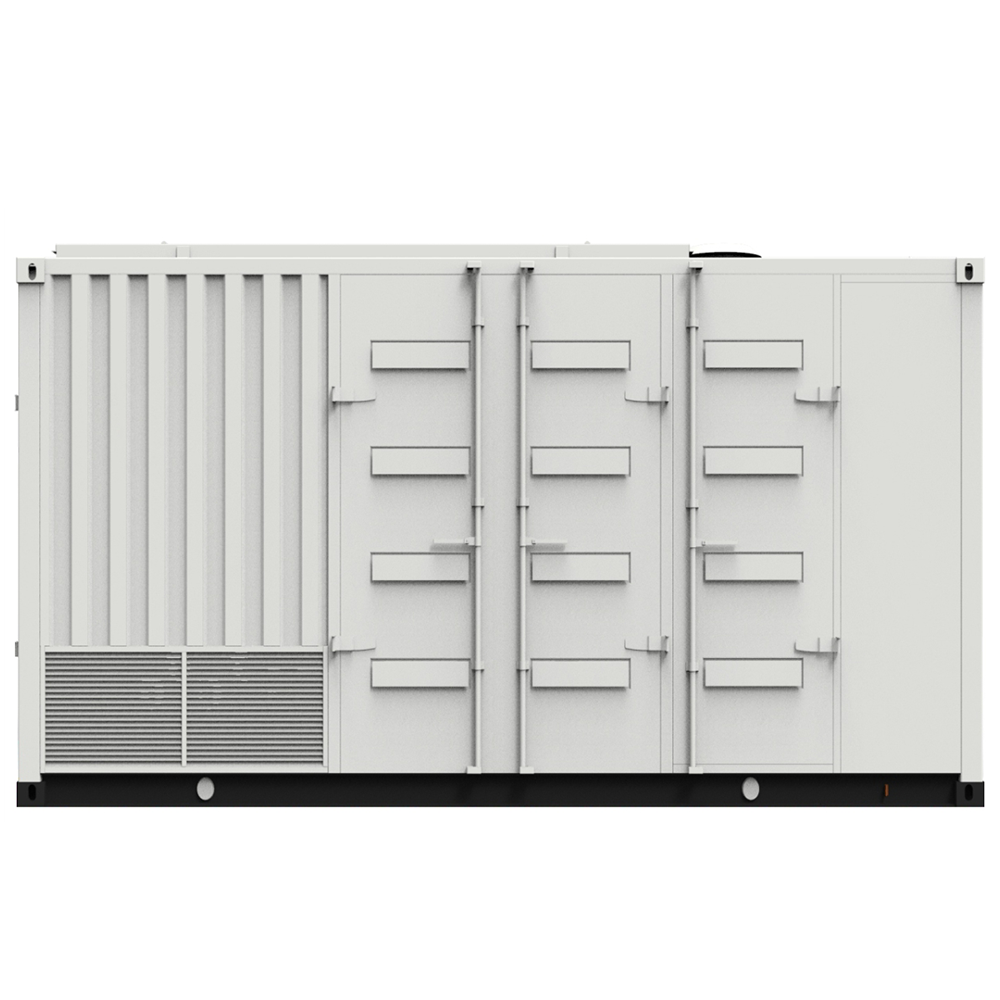
We offer a full range of electrolyzers. Alkaline ones with KOH electrolyte are mature for large-scale industry; PEM ones with over 80% efficiency pair well with renewables; AEM ones are innovative, balancing cost and efficiency.
Get A Quote

Why choose us?

Deep decarbonization in industrial sectors

Our green hydrogen replaces coke in steelmaking and serves as chemical feedstock (e.g., ammonia synthesis), reducing industrial carbon emissions significantly.

Innovative technology for future readiness

We invest in AEM electrolyzers, an emerging technology with great potential, positioning us at the forefront of hydrogen tech innovation.

Low investment cost advantage

Alkaline electrolyzers and AEM systems offer lower investment costs compared to traditional alternatives, reducing entry barriers for projects.

Related products

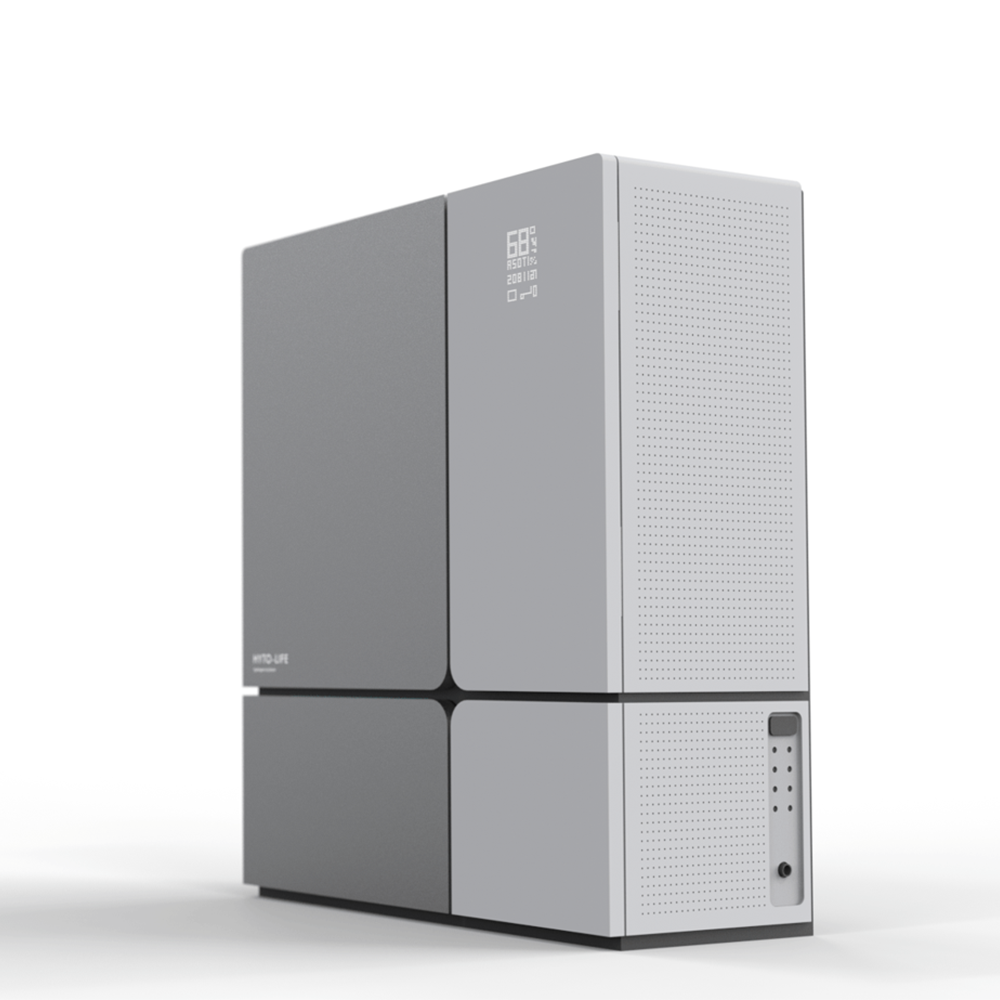
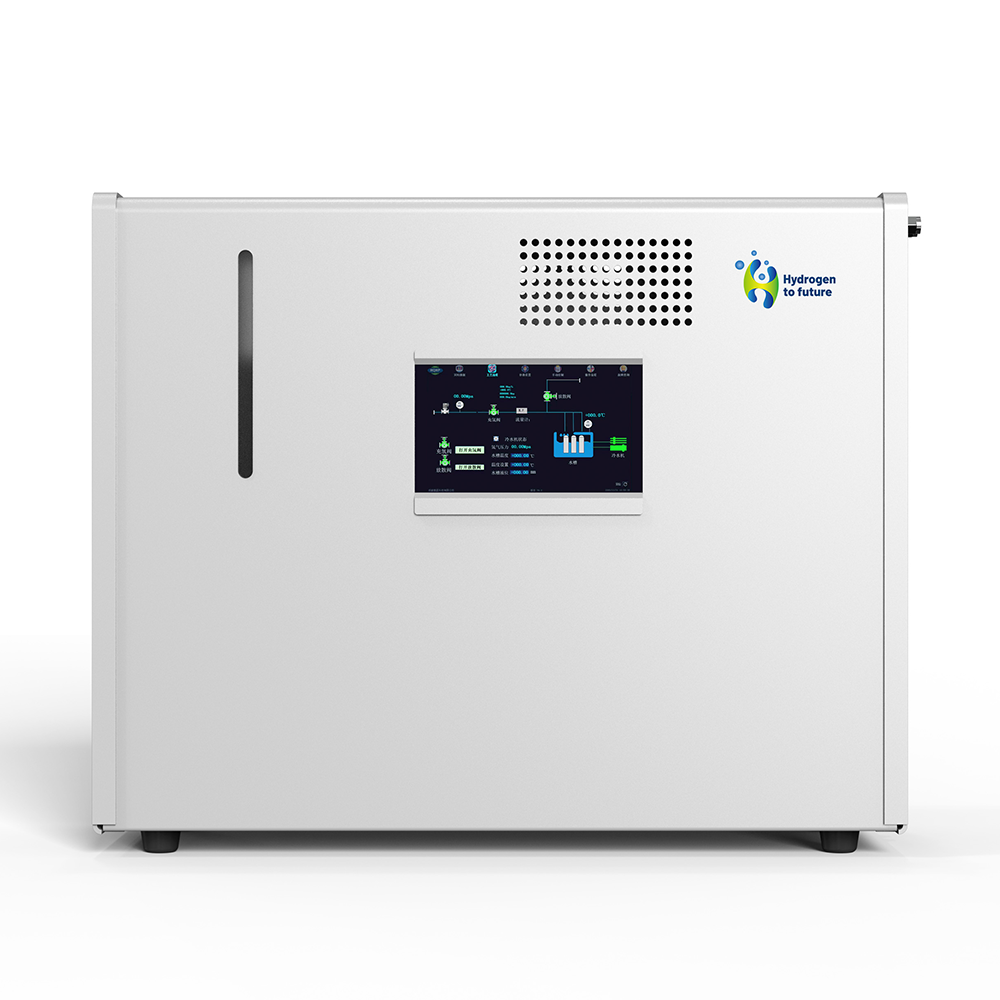
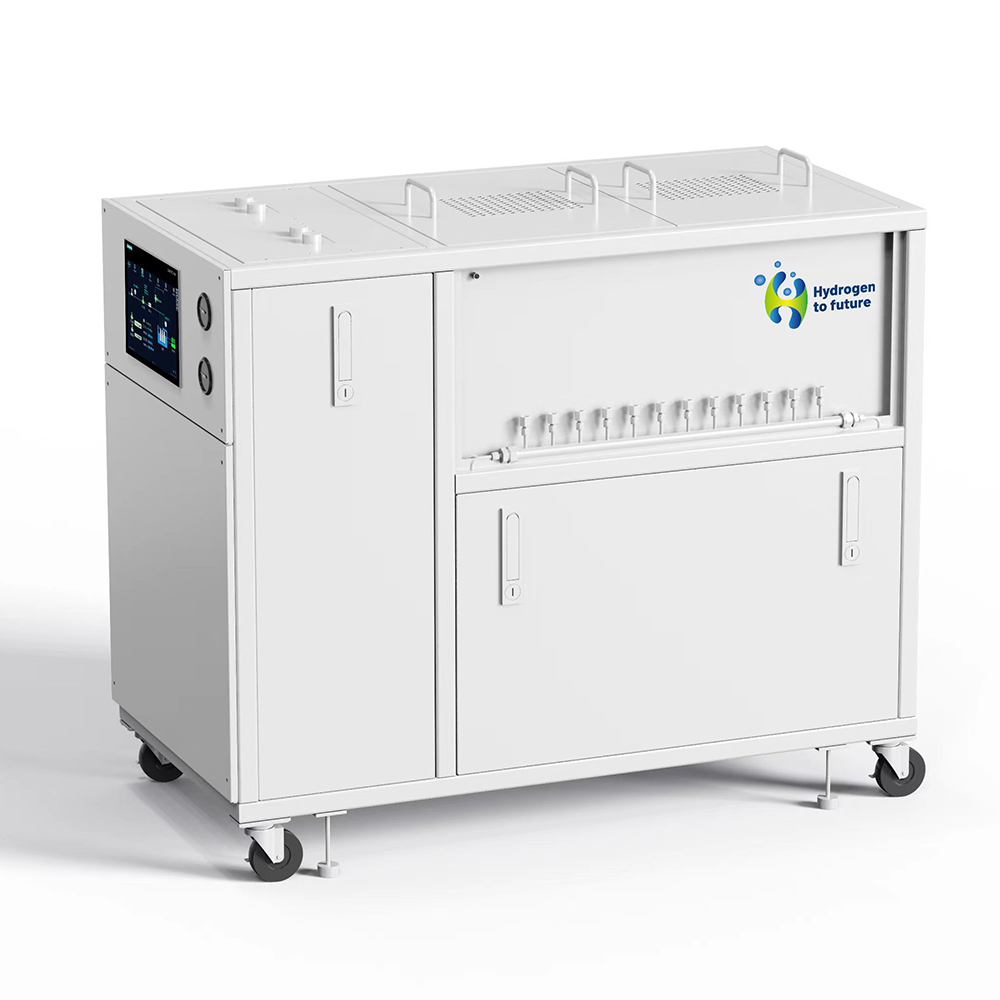
Alkaline water electrolysis is a widely adopted method for hydrogen production, involving the electrolysis of water using an alkaline electrolyte (e.g., potassium hydroxide, KOH) to facilitate the separation of hydrogen and oxygen. Hyto Energy’s alkaline water electrolysis systems are engineered for efficiency and durability, making them a cornerstone of industrial hydrogen generation. The process operates by passing an electric current through water mixed with the alkaline electrolyte, which enhances conductivity. At the anode, water molecules are oxidized, releasing oxygen gas and generating electrons. At the cathode, hydrogen ions from the water combine with these electrons to form hydrogen gas. A porous diaphragm prevents the two gases from mixing, ensuring safe collection while allowing hydroxide ions (OH⁻) to move between electrodes, maintaining the electrochemical reaction. One of the primary advantages of Hyto’s alkaline water electrolysis systems is their cost-effectiveness. They use nickel-based electrodes, which are far less expensive than the precious metals required in PEM systems, reducing capital costs. Additionally, they can operate with water of moderate purity, minimizing the need for expensive pretreatment— a key benefit for industrial environments. These systems are optimized for continuous, large-scale operation, making them ideal for applications such as ammonia synthesis, methanol production, and oil refining. They are also compatible with stable renewable energy sources (e.g., hydroelectric power) for green hydrogen production, leveraging their steady performance to convert clean electricity into hydrogen efficiently. While alkaline water electrolysis has a slower response to power fluctuations than PEM technology, its long service life (often 10–20 years) and high reliability make it a trusted choice for consistent hydrogen supply. Hyto offers a range of system sizes to meet diverse industrial needs. For specific technical details, contacting Hyto Energy is recommended.
Frequently Asked Questions

How does hydrogen energy compare to battery storage for renewables?

Hydrogen energy offers longer storage duration and higher energy density than batteries, making it suitable for large-scale, long-term storage of renewable energy. It also provides versatility, as hydrogen can be used in multiple sectors beyond electricity.
Absolutely. Our fuel cells, with their reliability and zero emissions, are excellent for backup power. They can quickly start and provide continuous power during grid outages, ensuring uninterrupted operation for critical facilities.
Our electrolyzers range from small, modular units (suitable for homes and small businesses) to large-scale industrial systems. This size flexibility allows us to cater to diverse hydrogen production needs, from low to high volume.
No, our home systems are designed to be compact. Metal hydride storage and modular electrolyzers/fuel cells take up minimal space, making them suitable for homes with limited area, such as urban residences.

Related Articles

Fuel Cell Technology: From Working Principles to Wide-Range Applications

28

Jun

Fuel Cell Technology: From Working Principles to Wide-Range Applications

How Fuel Cell Technology Works: Core Principles and Mechanisms The Electrochemical Reaction Behind Energy Generation Fuel cells generate energy through a remarkable electrochemical reaction, where hydrogen and oxygen interact to produce electricity,...
View More
PEM Electrolyzer: High-Efficiency Hydrogen Production for Renewable Energy Integration

20

Mar

PEM Electrolyzer: High-Efficiency Hydrogen Production for Renewable Energy Integration

In the global pursuit of carbon neutrality, green hydrogen has emerged as a core carrier of clean energy, bridging the gap between intermittent renewable energy and stable energy supply. Proton Exchange Membrane (PEM) electrolyzer stands out as a pi...
View More
Hydrogen Tank Technologies: Comparison of High-Pressure Gaseous and Liquid Storage

20

Mar

Hydrogen Tank Technologies: Comparison of High-Pressure Gaseous and Liquid Storage

1. The Critical Role of Hydrogen Tank Technologies in the Hydrogen Industry Hydrogen storage is the core link connecting hydrogen production and utilization in the hydrogen energy industry, and tank-based storage technologies are the most widely ap...
View More
Enapter PEM Electrolyzer: Compact Design for Residential and Commercial Green Hydrogen Production

25

Sep

Enapter PEM Electrolyzer: Compact Design for Residential and Commercial Green Hydrogen Production

Understanding PEM Electrolysis Technology for Green HydrogenHow PEM Electrolyzers Split Water into Hydrogen and OxygenThe fundamental process of PEM electrolysis involves the decomposition of water molecules into hydrogen and oxygen through the use o...
View More

Customer Reviews

Paul Wright

Hyto’s PEM electrolyzer responds instantly to solar spikes. Efficiency over 80%—we’re getting more hydrogen per kWh than our old system. High purity, which matters for our fuel cells. It’s a key part of our green energy loop.

Sandra Young

We added Hyto’s AEM electrolyzer to diversify. It’s efficient, uses cheap catalysts, and integrates with both grid and renewables. Early commercialization but reliable—we’re excited to scale with it as tech matures.

Get a Free Quote

Our representative will contact you soon.
0/1000
Electrolyzer: Diverse Technologies for Scalable Hydrogen Production

Electrolyzer: Diverse Technologies for Scalable Hydrogen Production

Electrolyzers include alkaline (mature, low-cost for large-scale industry), PEM (high-efficiency, ideal for renewables), and AEM (innovative, balanced cost/efficiency). They enable hydrogen production from water, supporting applications from industrial-scale to distributed, renewable-integrated scenarios.