
 EN
EN
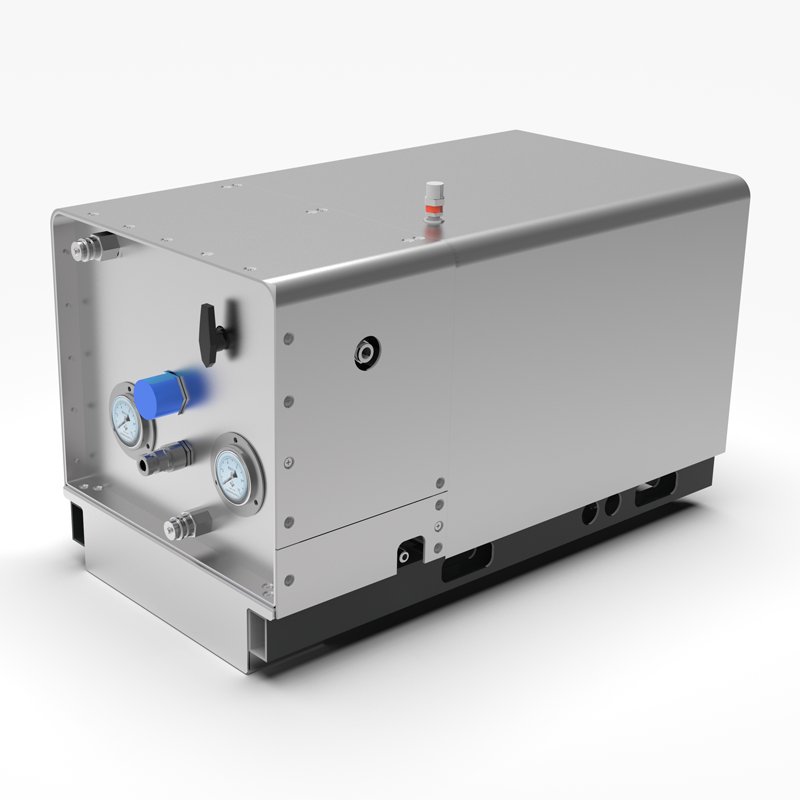
How Metal Hydride Cylinders Enable Hydrogen-Powered Scooters
Principle of Hydrogen Storage Using Metal Hydride Alloys
Hydrogen storage in metal hydride cylinders works by chemically binding the gas with special alloys like magnesium nickel mixtures or those containing lanthanum compounds. When exposed to pressures between around 10 and 30 bar, these materials actually pull hydrogen into their crystal structures. The result? A storage capacity roughly two to three times greater than what's possible with traditional compressed gas tanks operating at 500 bar pressure. For city scooters specifically, this means they can hold enough hydrogen to be useful without needing those bulky, heavy pressure containers typically required. Makes perfect sense when thinking about compact vehicles where weight and available space are always major concerns.
Advantages of Metal Hydride Cylinders for Urban Two-Wheelers
Key benefits driving adoption include:
- Safety: Operating at just 15% of conventional hydrogen tank pressures significantly reduces explosion risks (Energy Storage Safety Report 2023)
- Space efficiency: Requires a footprint 50% smaller than composite tanks for equivalent range
- Durability: Withstands over 8,000 charge cycles with less than 5% capacity loss—outperforming lithium-ion batteries
These characteristics are particularly valuable for delivery fleets and shared mobility services, where minimizing downtime and infrastructure costs is essential.
Case Study: Real-World Integration in Commercial E-Scooter Prototypes
Some European company recently put scooters through their paces with these special 1.2 kg metal hydride tanks attached. What did they find? These babies could go about 180 kilometers on one tank - that's roughly 40% better than regular battery powered scooters out there right now. And here's something interesting: refilling takes only around 12 minutes at those low pressure hydrogen stations popping up across cities. Makes sense for people living in crowded urban areas where finding charging spots can be a nightmare sometimes. Plus, tests run during hot summer months revealed pretty impressive results too. The systems stayed stable thermally at around 98% throughout all that heat, which means they work reliably even when temperatures spike in busy downtown zones.
Material Science and Performance of Metal Hydride Alloys
Key Properties: Absorption Capacity, Reversibility, and Stability
Hydrogen storage in metal hydride alloys happens through chemisorption processes, typically achieving storage capacities between 1.2 and 3.5 weight percent according to the International Energy Agency report from 2023. The ability to reverse this process means hydrogen can be released efficiently when needed, something that matters a lot for keeping electric scooters powered consistently throughout their operation. When we look at nanostructured materials such as magnesium nickel alloys, they actually perform better over time. These advanced structures cut down on material degradation by around one third compared with regular versions on the market today. This kind of durability makes all the difference for devices that face constant wear and tear while being ridden through busy city streets day after day.
Thermodynamic and Kinetic Behavior Under Operating Conditions
The way hydrogen gets released really hinges on how temperature and pressure balance out for different alloys. When looking at typical scooter running temps between around 25 degrees Celsius to about 60 degrees, those lanthanum based materials work best for letting go of hydrogen at roughly 0.8 grams per second without losing their stability when heated. Smart engineers can tweak these metal mixtures so they change phases just right, which cuts down on those annoying hysteresis problems. As a result, we're seeing recovery efficiencies hit around 92 percent when scooters brake and recharge their systems. Getting this thermodynamics stuff just right means these vehicles can reliably function no matter what kind of city weather throws at them, from hot summer days to chilly winter mornings.
Trade-offs Between Storage Efficiency and Cycle Durability
Alloys with high capacity (over 2.5 weight percent) tend to break down around 500 to 800 charge cycles, which is roughly 35 percent shorter than what we see with lower capacity options at 1.8 weight percent. Engineers have come up with hybrid solutions for this problem. These systems combine metal hydride storage tanks that handle regular operations with compressed hydrogen reserves specifically for when extra power is needed during acceleration phases. Looking at current test models, this combination seems to push the overall life expectancy of these systems out to about 3,200 complete cycles. Pretty impressive considering they still maintain an energy density right around 1.8 kilowatt hours per kilogram, matching the performance of those lower capacity alternatives but lasting much longer.
Design Challenges for Metal Hydride Tanks in Scooters
Thermal Management in Compact Vehicle Platforms
Keeping things cool remains one of the biggest headaches when trying to fit metal hydride cylinders into scooters. When hydrogen gets absorbed, it creates quite a bit of heat sometimes spiking temperatures by around 25 degrees Celsius. And then there's the opposite process where we need outside heat to release the hydrogen, which leads to these constant temperature fluctuations that can really wear down components over time. According to some recent research published last year in Energy Storage Materials, scooter frames just aren't good at getting rid of heat compared to regular cars they actually lose about 40% more heat. This means engineers have had to come up with creative solutions like those tiny cooling channels or special materials that change state when heated. The whole thing becomes a balancing act though. Every gram added for temperature control eats into storage space. We saw this in a study from Journal of Power Sources back in 2023 showing that simply adding 300 grams of regulation gear cuts storage capacity down by nearly 12%. Not exactly ideal when every bit counts in compact vehicles.
Meeting Safety and Pressure Standards for Onboard Use
Metal hydride systems still need special attention when it comes to safety, even though they operate at much lower pressures between 10 and 30 bar. Scooters used in cities actually take about three times as many mechanical hits compared to regular passenger cars according to SAE International research from last year. That means manufacturers have to build these systems to withstand all sorts of vibrations. To stop leaks, companies rely on really good seals that can last through thousands of cycles, sometimes over 5,000. The latest EU rules now want continuous monitoring of hydrogen levels too, which adds around $18 to $25 extra for each unit just for sensors. But there's hope. Tests done at Fraunhofer ISE showed something impressive: their prototypes reached nearly 99.97% leak proof performance thanks to valve seats reinforced with graphene. So while meeting these standards might seem tough, it looks possible without messing up how comfortable or user friendly the final product needs to be.
Technical Requirements for Two-Wheeler Applications
Performance Metrics: Refueling Speed, Energy Density, and Lifespan
For urban viability, hydrogen-powered two-wheelers must achieve 3-minute refueling and exceed 1.5 kWh/kg energy density (National Renewable Energy Lab, 2023). Recent prototypes using advanced LaNi5 metal hydride alloys demonstrate over 500 charge cycles with less than 15% capacity degradation—meeting longevity requirements for daily commuter use.
Integration with Hybrid Powertrains and Battery Systems
Hybrid powertrains get a boost from metal hydride cylinders that help out lithium-ion batteries when accelerating. Using both energy sources cuts down on those big spikes in battery demand by around 40 to 60 percent according to research published in the Journal of Power Sources back in 2023. This actually helps extend how long components last before needing replacement. New flat profile cylinder designs fit right inside scooter frames these days without taking away valuable foot space underneath where riders need room. Plus they manage heat really well with onboard cooling systems reaching efficiencies between 96 and 98 percent. For companies running lots of scooters through ride sharing services, the best setups mix fast gas release rates of at least 0.12 grams per second when temperatures hit 60 degrees Celsius along with built-in safety mechanisms. These combinations mean fewer maintenance headaches over time which is exactly what fleet operators want to hear.
Metal Hydride vs. Compressed Hydrogen: Choosing the Right Solution
Safety, Space Efficiency, and Urban Usability Comparison
Metal hydride systems operate at near-ambient pressures (10–30 bar), eliminating the explosion hazards linked to 700-bar compressed tanks. Solid-state storage avoids bulky carbon-fiber casings and leak-prone valves, freeing up 40–60% more space in scooter frames. This compactness enhances maneuverability without sacrificing hydrogen capacity and aligns with ISO 16111 safety standards for two-wheelers.
Lifecycle Cost and Maintenance Implications
Compressed hydrogen tanks might start out cheaper, around $800 to $1,200 each, but metal hydride systems actually save money in the long run. These systems can last through more than 5,000 charge cycles with very little hydrogen escaping over time. According to some Department of Energy research, this means storage costs just two cents per kilowatt hour across a decade period, which is about half what compressed options would cost. The maintenance bill drops by roughly 30 percent too since there's less complicated thermal stuff to worry about and nobody needs to test pressures regularly anymore.
FAQ
What are metal hydride cylinders?
Metal hydride cylinders are storage devices that use metal hydride alloys to store hydrogen by chemically binding it within the material's crystal structure.
How does hydrogen storage work in metal hydrides?
Hydrogen is stored in metal hydrides by binding with special alloys, which absorb it into their crystal lattice at certain pressures.
What are the advantages of using metal hydride cylinders for scooters?
They offer safety by operating at lower pressures, have a smaller footprint compared to conventional tanks, and are highly durable with the ability to withstand many charge cycles.
Why are metal hydride cylinders suitable for urban two-wheelers?
Their compact size and reduced weight make them ideal for scooters, where space and weight are limited.
How long does it take to refill a hydrogen-powered scooter with metal hydride cylinders?
Refilling takes about 12 minutes at low-pressure hydrogen stations.
Table of Contents
- How Metal Hydride Cylinders Enable Hydrogen-Powered Scooters
- Material Science and Performance of Metal Hydride Alloys
- Design Challenges for Metal Hydride Tanks in Scooters
- Technical Requirements for Two-Wheeler Applications
- Metal Hydride vs. Compressed Hydrogen: Choosing the Right Solution
-
FAQ
- What are metal hydride cylinders?
- How does hydrogen storage work in metal hydrides?
- What are the advantages of using metal hydride cylinders for scooters?
- Why are metal hydride cylinders suitable for urban two-wheelers?
- How long does it take to refill a hydrogen-powered scooter with metal hydride cylinders?