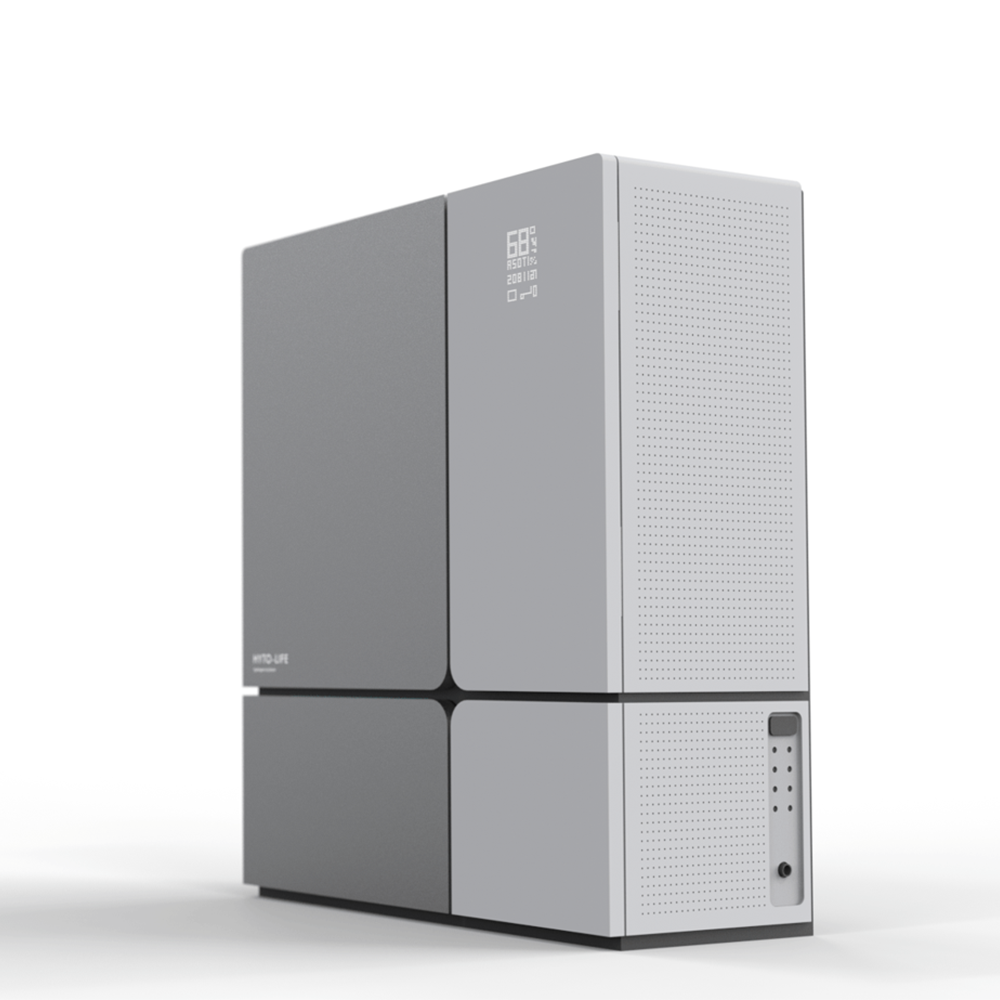
Metal Hydride Hydrogen Storage for Safe, High-Density Energy

Metal Hydride: Our High-Density, Safe Hydrogen Storage

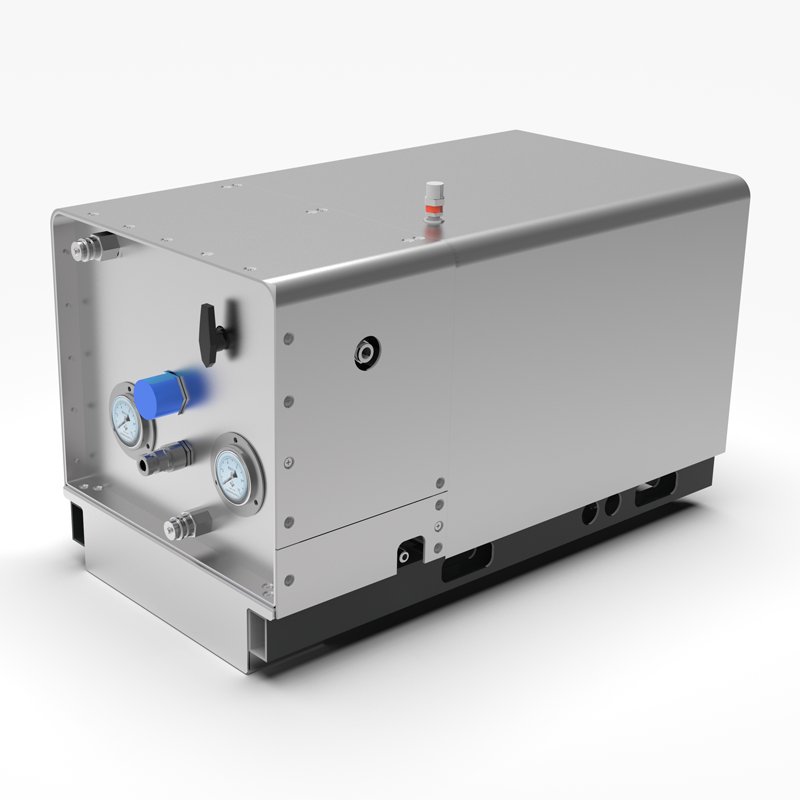
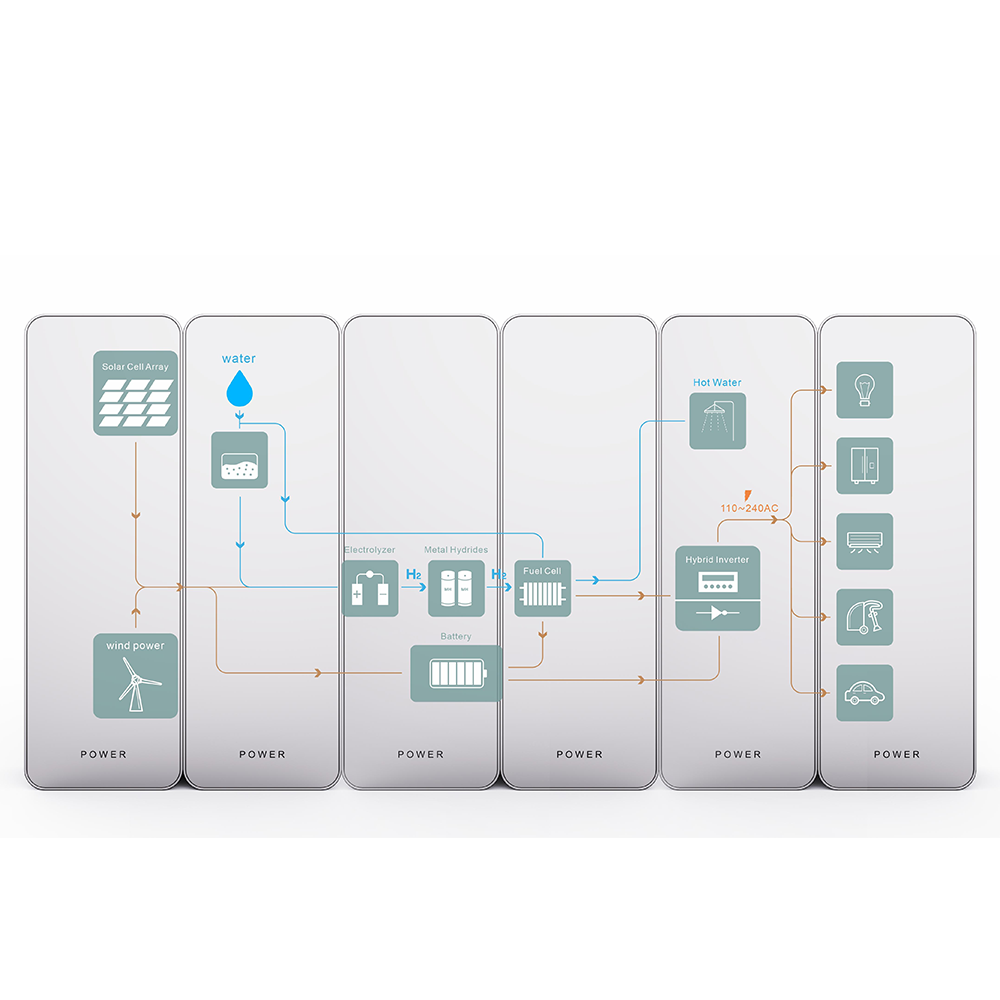
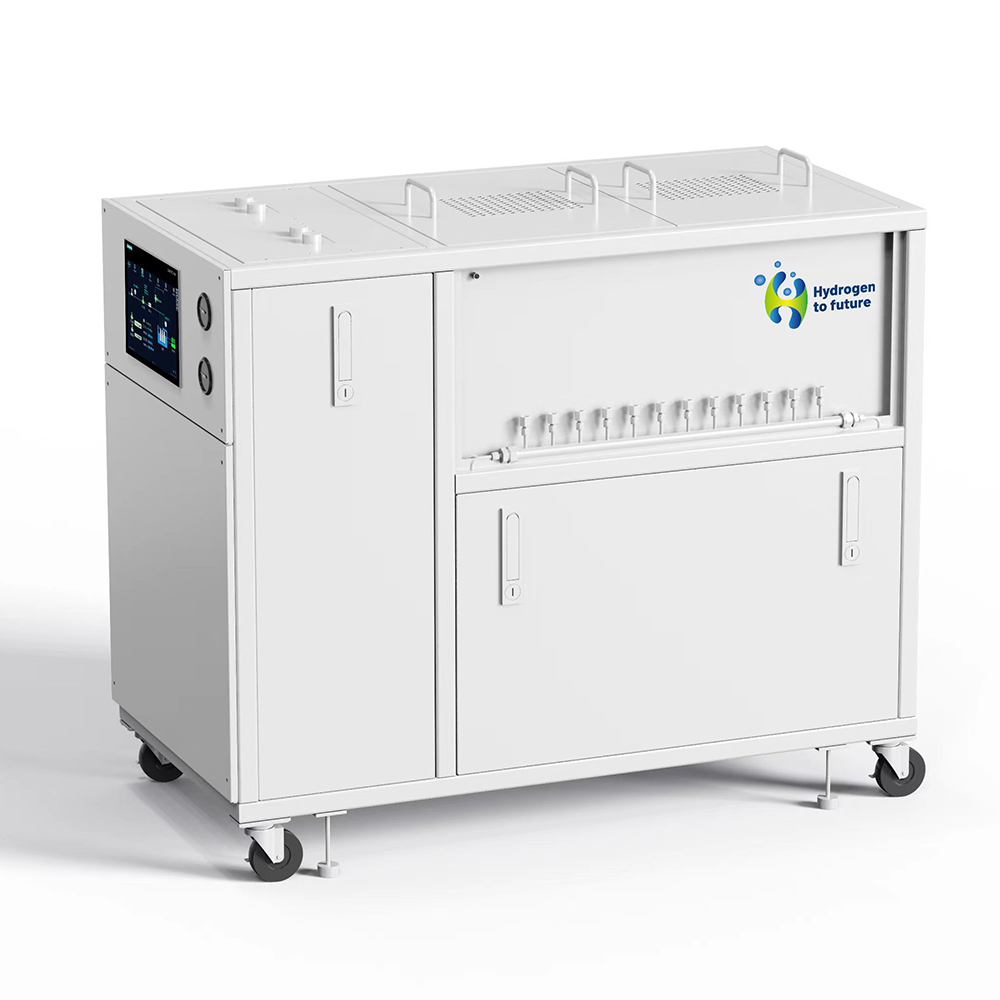
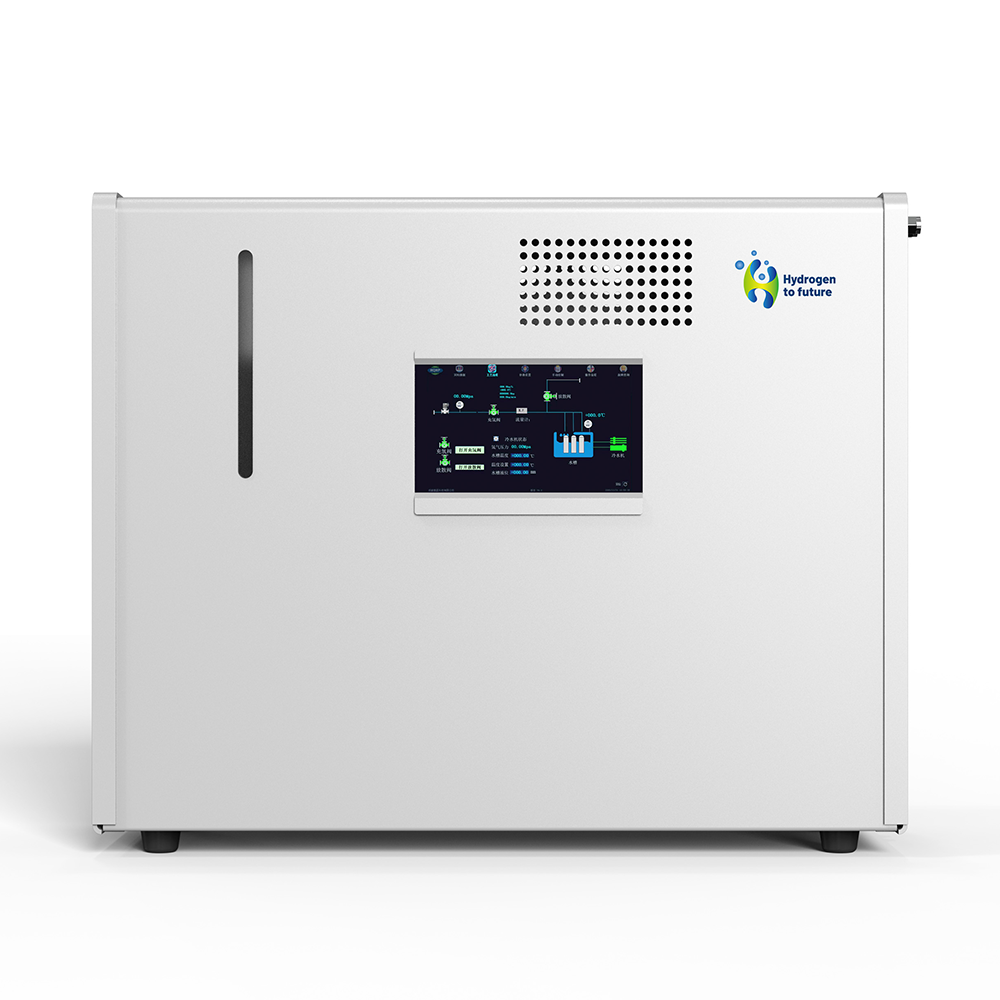
We use metal hydride storage, where metals like magnesium, titanium, and zirconium react with hydrogen to form hydrides. Hydrogen is released by heating, with high storage density and safety, suitable for small, mobile scenarios.
Get A Quote

Why choose us?

Low-noise operation for diverse settings

Our electrolyzers and fuel cells operate quietly, suitable for residential, office, and noise-sensitive industrial environments.

Accessible raw materials ensure stable supply

The raw materials for our hydrogen production, such as water (for electrolysis) and renewable energy sources like solar and wind, are widely available globally. This accessibility guarantees a stable and uninterrupted supply chain, reducing risks of production delays due to material shortages.

Support for regional energy networks

Our solutions aid regional hydrogen network development, connecting production, storage, and consumption points.

Related products

Nickel metal hydride (Ni-MH) technologies, while primarily known for batteries, have applications in Hyto Energy’s hydrogen systems, particularly in small-scale storage and fuel cell hybrids. Ni-MH batteries use metal hydride electrodes to store hydrogen ions, offering higher capacity than nickel-cadmium batteries. Hyto integrates Ni-MH components in portable hydrogen generators, where they complement fuel cells by storing excess electricity, ensuring steady power output. While not used for bulk hydrogen storage, Ni-MH’s reliability and rechargeability make it useful in hybrid systems—e.g., combining a small fuel cell with a Ni-MH battery for backup. Hyto’s focus remains on larger metal hydride systems for hydrogen gas storage, but Ni-MH plays a role in optimizing small-scale, portable hydrogen energy solutions.
Frequently Asked Questions

What renewable energy sources work best with your electrolyzers?

Our electrolyzers, especially PEM, work excellently with solar and wind energy. Their fast response and efficiency make them ideal for converting intermittent solar and wind power into hydrogen, effectively storing excess renewable energy.
Hydrogen energy offers longer storage duration and higher energy density than batteries, making it suitable for large-scale, long-term storage of renewable energy. It also provides versatility, as hydrogen can be used in multiple sectors beyond electricity.
Absolutely. Our fuel cells, with their reliability and zero emissions, are excellent for backup power. They can quickly start and provide continuous power during grid outages, ensuring uninterrupted operation for critical facilities.
We ensure green hydrogen quality through strict monitoring of the production process, using certified renewable energy sources and advanced electrolyzers. Our hydrogen undergoes regular purity testing to meet international standards.

Related Articles

Fuel Cell Technology: From Working Principles to Wide-Range Applications

28

Jun

Fuel Cell Technology: From Working Principles to Wide-Range Applications

How Fuel Cell Technology Works: Core Principles and Mechanisms The Electrochemical Reaction Behind Energy Generation Fuel cells generate energy through a remarkable electrochemical reaction, where hydrogen and oxygen interact to produce electricity,...
View More
Green Hydrogen: The Key to Achieving Carbon Neutrality in Energy Transition

28

Jun

Green Hydrogen: The Key to Achieving Carbon Neutrality in Energy Transition

The Critical Role of Green Hydrogen in Achieving Carbon NeutralityWhy Green Hydrogen is Essential for Energy TransitionGreen hydrogen is pivotal for the energy transition from fossil fuels to renewable sources, effectively serving as a clean energy c...
View More
PEM Electrolyzer: High-Efficiency Hydrogen Production for Renewable Energy Integration

20

Mar

PEM Electrolyzer: High-Efficiency Hydrogen Production for Renewable Energy Integration

In the global pursuit of carbon neutrality, green hydrogen has emerged as a core carrier of clean energy, bridging the gap between intermittent renewable energy and stable energy supply. Proton Exchange Membrane (PEM) electrolyzer stands out as a pi...
View More
Plug Power PEMFC: Leading Solutions for Forklift and Stationary Power Applications

25

Sep

Plug Power PEMFC: Leading Solutions for Forklift and Stationary Power Applications

Core Principles of Proton Exchange Membrane Fuel Cells Proton Exchange Membrane Fuel Cells (PEMFCs) are pioneering technologies transforming chemical energy into electrical energy through a clean electrochemical process. The process involves a fundam...
View More

Customer Reviews

Renter Jennifer Kim

Living in an apartment, we needed compact storage. Hyto’s metal hydride unit is small, stores plenty of hydrogen for our needs, and works with our portable fuel cell. No installation hassle—just plug into solar.

Homeowner Susan Wilson

Hyto’s metal hydride system needs no regular checks. We’ve had it a year, and it still stores/ releases hydrogen perfectly. It’s durable, works with our home electrolyzer, and has cut our energy stress significantly.

Get a Free Quote

Our representative will contact you soon.
0/1000
Metal Hydride: High-Density, Safe Hydrogen Storage for Small-Scale Use

Metal Hydride: High-Density, Safe Hydrogen Storage for Small-Scale Use

Metal hydride storage uses metals (magnesium, titanium, zirconium) to react with hydrogen, forming stable hydrides. It offers high storage density and safety, suitable for small-scale, mobile applications like home energy systems and vehicle-mounted storage, with hydrogen released via heating.