Hydrogen Solutions for Clean Energy [Production to Application]

Hydrogen: The Core of Our Clean Energy Solutions

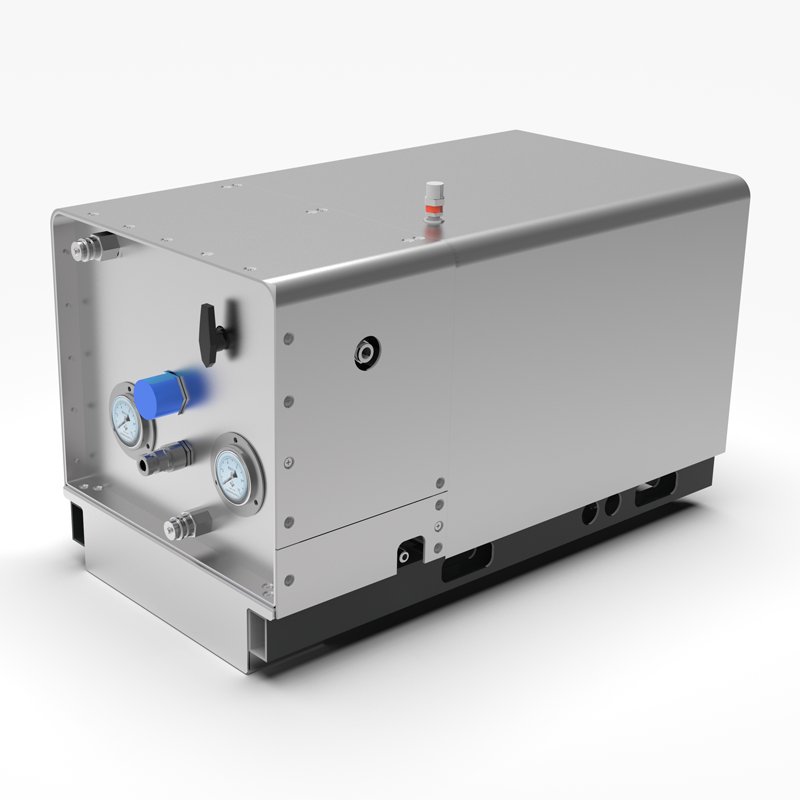
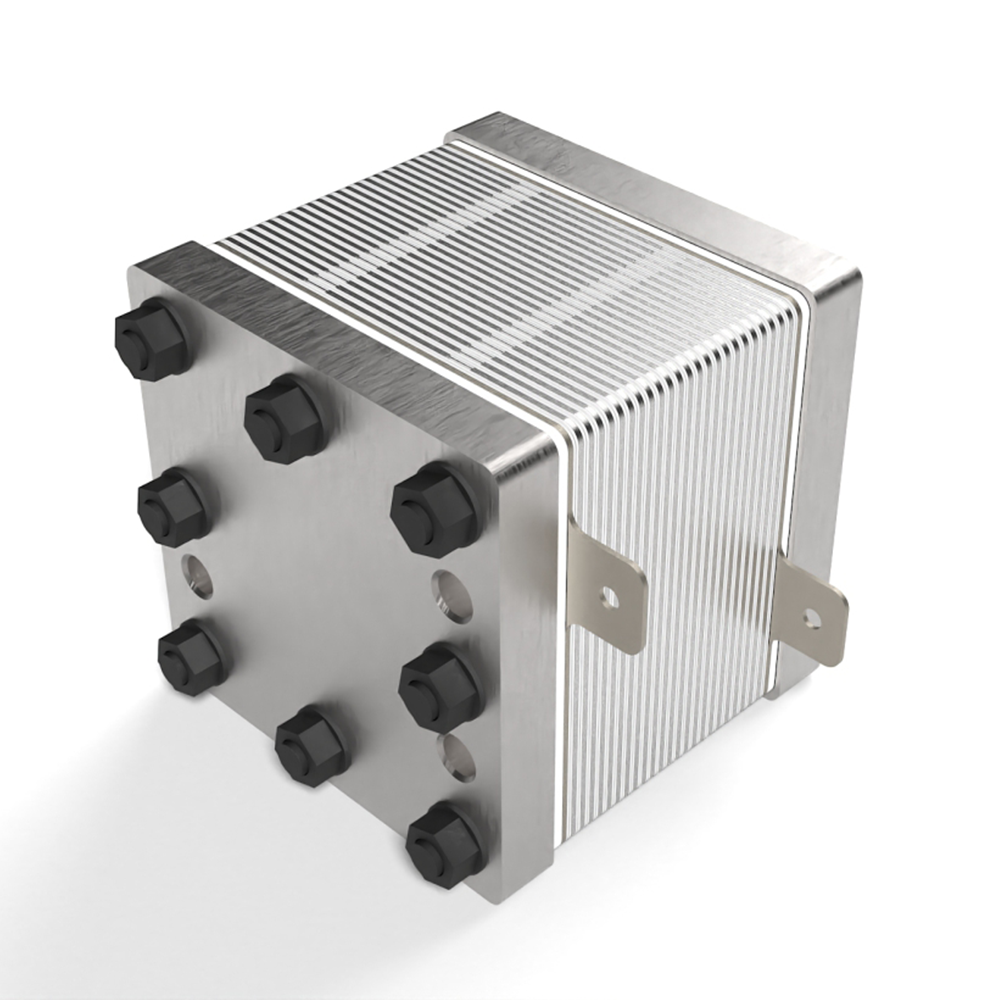
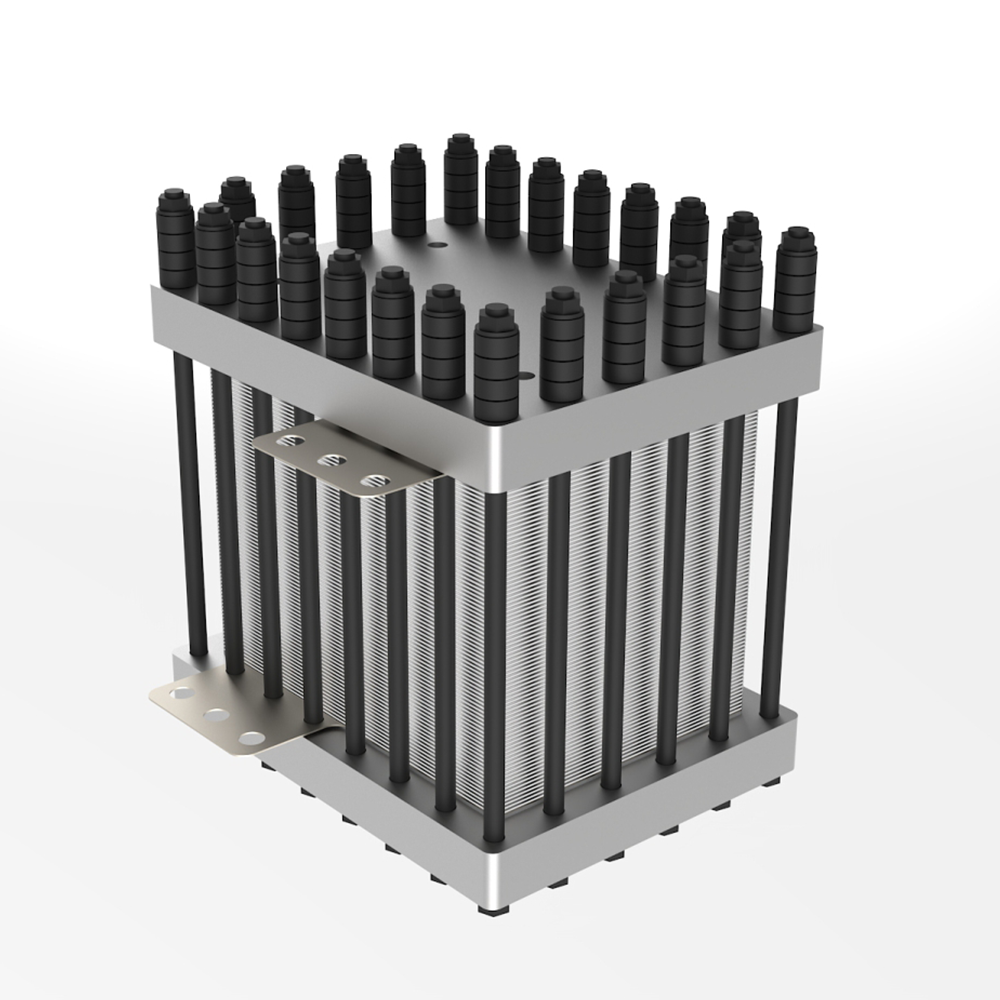
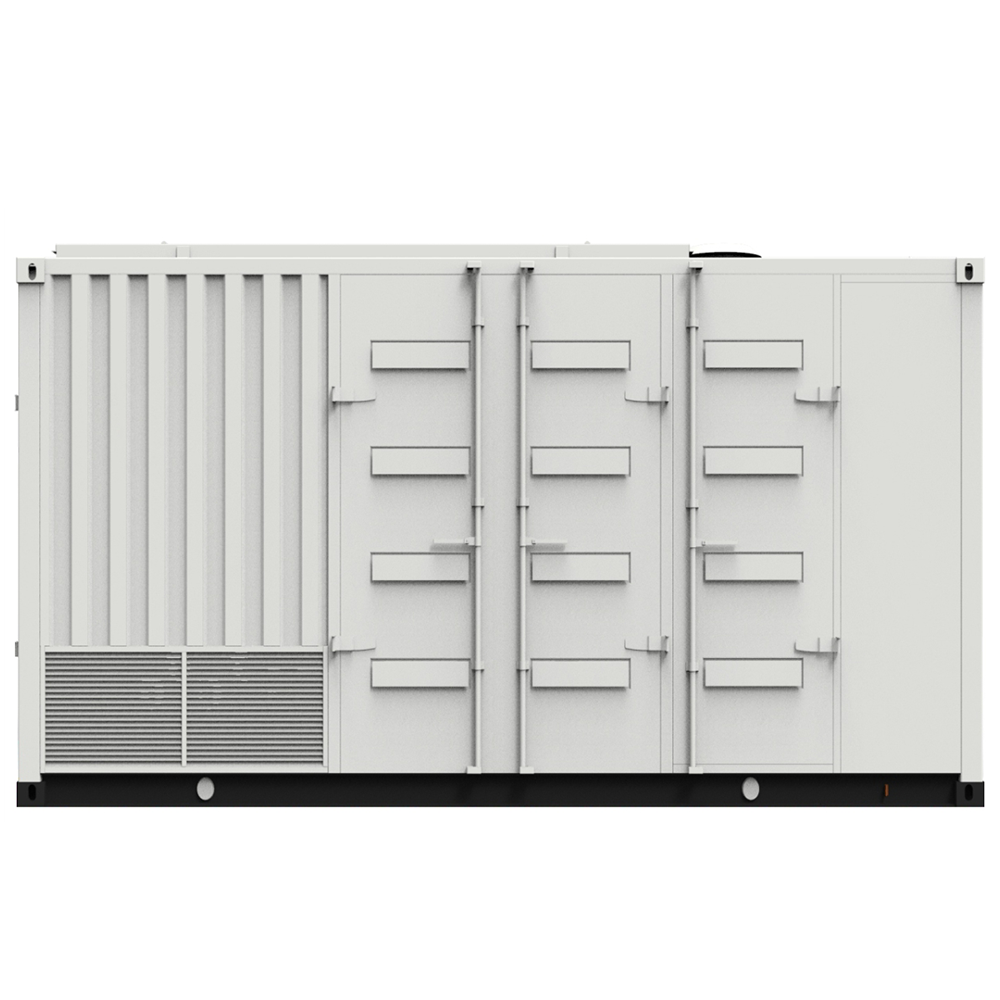
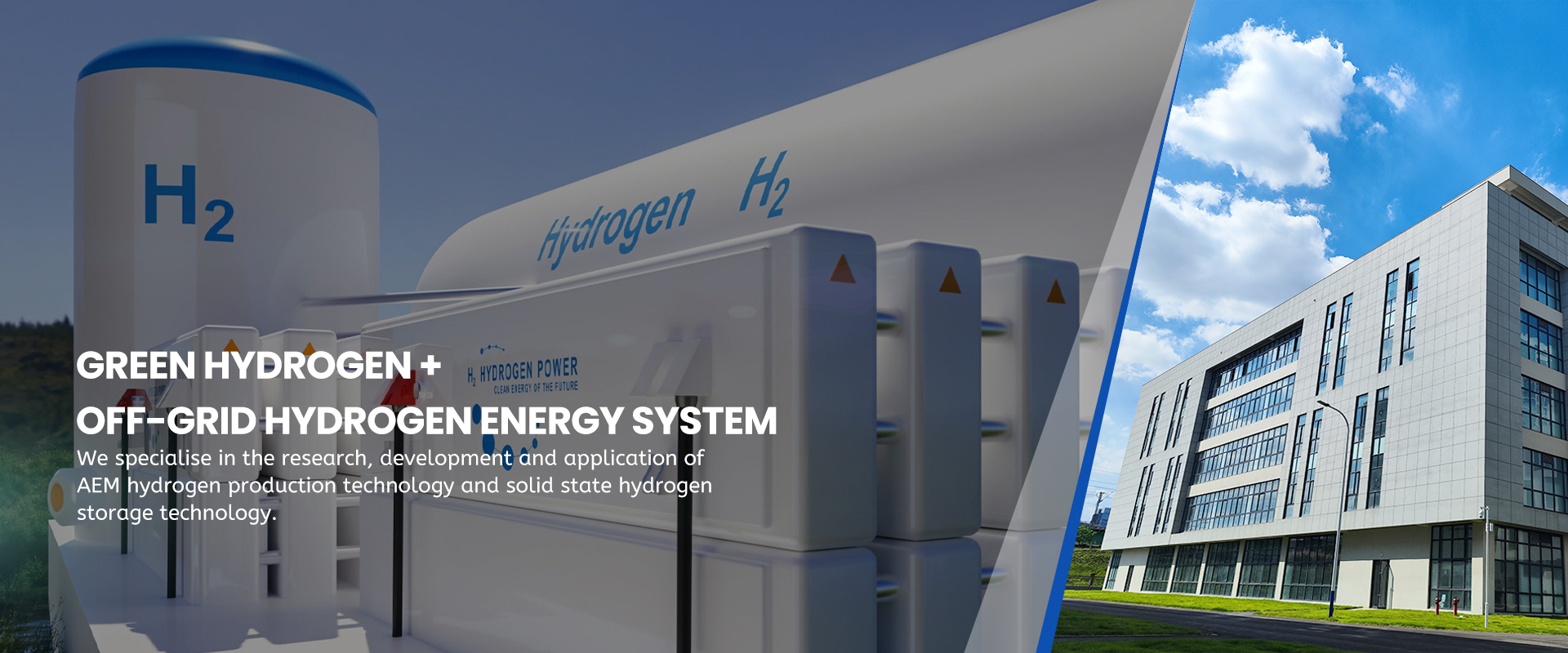
Hydrogen is central to our operations, covering production (via various electrolyzers), storage (tanks, metal hydrides), and application (fuel cells). It powers our mission to provide clean energy for diverse sectors.
Get A Quote

Why choose us?

Reliable fuel cell logistics solutions

Similar to Plug Power, our PEMFC solutions for forklifts and logistics vehicles offer reliable, clean power, serving enterprises like Amazon and Walmart.

Deep decarbonization in industrial sectors

Our green hydrogen replaces coke in steelmaking and serves as chemical feedstock (e.g., ammonia synthesis), reducing industrial carbon emissions significantly.

Market-proven mature technology

Our alkaline electrolyzers dominate the global market, with proven performance in large-scale industrial applications, ensuring stable hydrogen supply.

Related products

Hydrogen is increasingly recognized as the “fuel of the future,” and Hyto Energy is at the forefront of unlocking its potential to transform global energy systems. Unlike fossil fuels, hydrogen produces no carbon emissions when used—whether in fuel cells (emitting only water) or in clean combustion (emitting water vapor). This makes it a critical tool for decarbonizing hard-to-electrify sectors, including heavy industry (steel, chemicals), long-haul transportation (trucks, ships), and high-heat applications, where direct electrification is impractical. As a secondary energy carrier, hydrogen can store excess renewable energy—solar, wind, hydro—addressing the intermittency of these sources and enabling their large-scale integration into grids. Hyto’s diverse technologies, from alkaline and PEM electrolyzers for green hydrogen production to metal hydride storage and fuel cells for efficient use, make hydrogen accessible across scales: from homes (via systems like Picea) to industrial complexes and entire cities. Its versatility is unmatched—hydrogen can be transported via pipelines or tanks, used in fuel cells for electricity, burned for heat, or converted into synthetic fuels for sectors like aviation. As global economies strive for net-zero emissions, hydrogen’s ability to link renewable energy production with end-use sectors positions it as a unifying solution. Hyto Energy’s commitment to advancing hydrogen technologies—improving efficiency, reducing costs, and ensuring safety—reinforces hydrogen’s role as the fuel that will power a sustainable, low-carbon future.
Frequently Asked Questions

Can your systems be upgraded as technology advances?

Yes, our modular system designs allow for upgrades as technology advances. Components like electrolyzer stacks, fuel cells, or control systems can be replaced or upgraded individually, extending the system's lifespan and incorporating new innovations.
The ROI for home systems depends on factors like local energy prices and solar resource availability. Typically, homeowners can expect to see returns over several years through reduced energy bills, with the added benefit of energy independence and environmental impact reduction.
Our storage systems are designed to minimize leakage. Metal hydride systems securely bind hydrogen, while high-pressure tanks use advanced sealing technology. We also incorporate monitoring systems to detect and address any potential leaks promptly.
We design industrial-scale systems with redundant components and backup storage to ensure a stable hydrogen supply. Our electrolyzers can operate continuously, and integrated storage buffers any fluctuations in production or demand.

Related Articles

Fuel Cell Technology: From Working Principles to Wide-Range Applications

28

Jun

Fuel Cell Technology: From Working Principles to Wide-Range Applications

How Fuel Cell Technology Works: Core Principles and Mechanisms The Electrochemical Reaction Behind Energy Generation Fuel cells generate energy through a remarkable electrochemical reaction, where hydrogen and oxygen interact to produce electricity,...
View More
Alkaline Electrolyzer: The Mature Technology Powering Large-Scale Hydrogen Production

25

Sep

Alkaline Electrolyzer: The Mature Technology Powering Large-Scale Hydrogen Production

Alkaline Electrolyzer Technology OverviewCore Components and Operating PrinciplesAlkaline electrolyzers are composed of several core components, each playing a crucial role in the electrolysis process. These components include the anode, cathode, ele...
View More
AEM Electrolyzer: The Emerging Technology Revolutionizing Hydrogen Production

28

Jun

AEM Electrolyzer: The Emerging Technology Revolutionizing Hydrogen Production

What is an AEM Electrolyzer?How AEM Electrolyzers WorkAEM electrolyzers, or anion exchange membrane electrolyzers, operate by utilizing an anion-conducting membrane, which permits the passage of hydroxide ions. This is distinct from other types of el...
View More
Plug Power PEMFC: Leading Solutions for Forklift and Stationary Power Applications

25

Sep

Plug Power PEMFC: Leading Solutions for Forklift and Stationary Power Applications

Core Principles of Proton Exchange Membrane Fuel Cells Proton Exchange Membrane Fuel Cells (PEMFCs) are pioneering technologies transforming chemical energy into electrical energy through a clean electrochemical process. The process involves a fundam...
View More

Customer Reviews

Homeowner Jennifer Wright

We switched to hydrogen for home heating—Hyto’s system burns clean, no fumes, and heats evenly. It’s cheaper than natural gas in the long run, and we’re reducing our carbon footprint. No more dusty filters or maintenance.

Business Owner Kevin Adams

Stored hydrogen from Hyto keeps our business running during outages. It powers our servers, lights, and POS systems—no lost sales. It’s reliable, easy to store, and refueling is quick. Worth every penny for peace of mind.

Get a Free Quote

Our representative will contact you soon.
0/1000
Hydrogen: Core Energy Carrier for Clean Power and Industrial Processes

Hydrogen: Core Energy Carrier for Clean Power and Industrial Processes

Hydrogen is a versatile energy carrier, produced via electrolysis (green hydrogen) or other methods. It is used in fuel cells for electricity, as industrial feedstock, and in transportation, enabling clean energy conversion and reducing reliance on fossil fuels.