AEM Electrolyzers: Cost-Effective & Efficient Hydrogen Production

AEM: Our Innovative Electrolyzer Merging Cost and Efficiency

Our AEM electrolyzers use anion exchange membranes, combining the cost advantages of alkaline electrolyzers and the high efficiency of PEM. With non-precious metal catalysts, they are in early commercialization, suitable for diverse hydrogen production needs.
Get A Quote

Why choose us?

Modular design for flexible deployment

Following Enapter's model, our small, modular electrolyzers (PEM/AEM) enable flexible deployment in homes and commercial settings, with low maintenance.

Efficient integrated energy systems

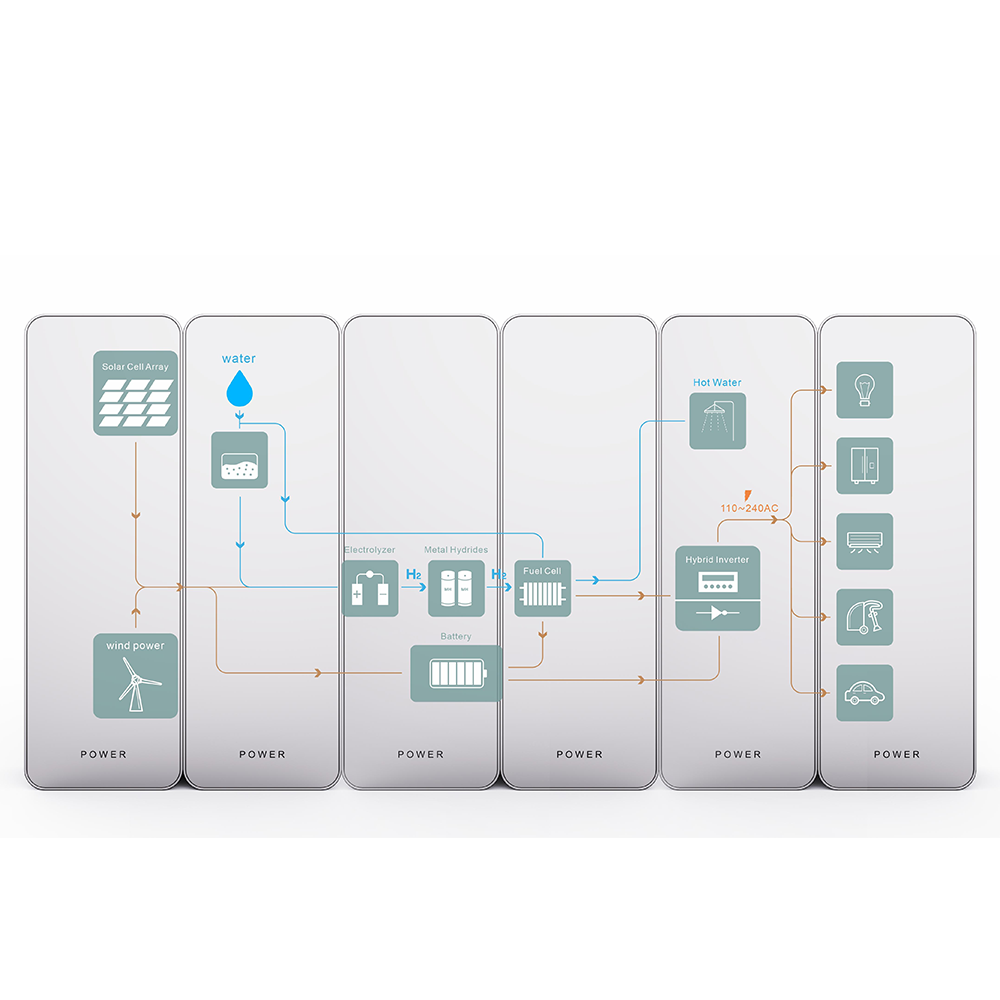
HPS-integrated systems (e.g., Picea 2) combine hydrogen production, storage, and power generation, with heat recovery to boost overall energy efficiency.

Reliable fuel cell logistics solutions

Similar to Plug Power, our PEMFC solutions for forklifts and logistics vehicles offer reliable, clean power, serving enterprises like Amazon and Walmart.

Related products

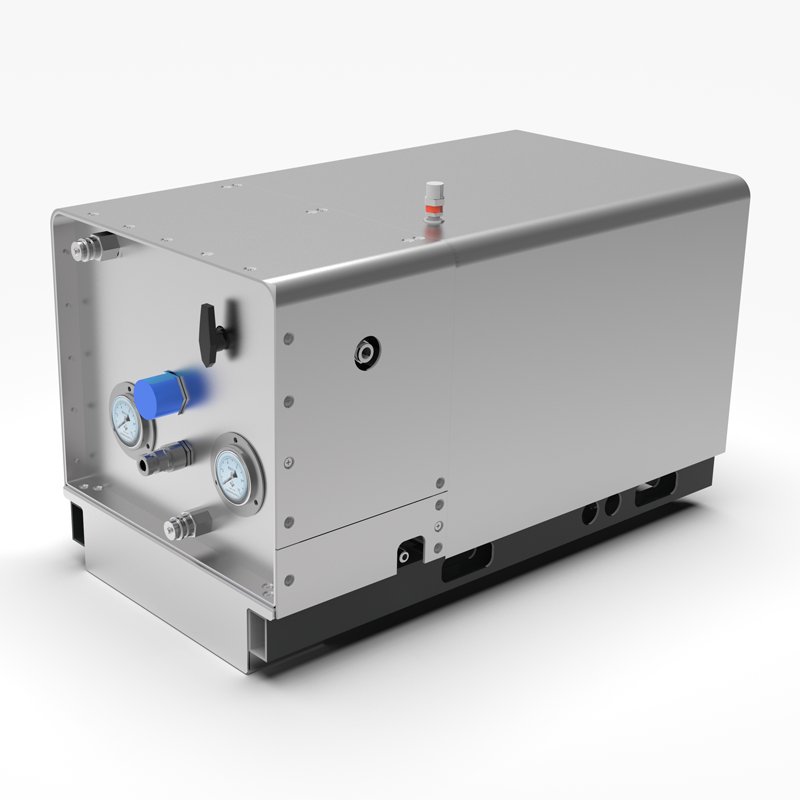
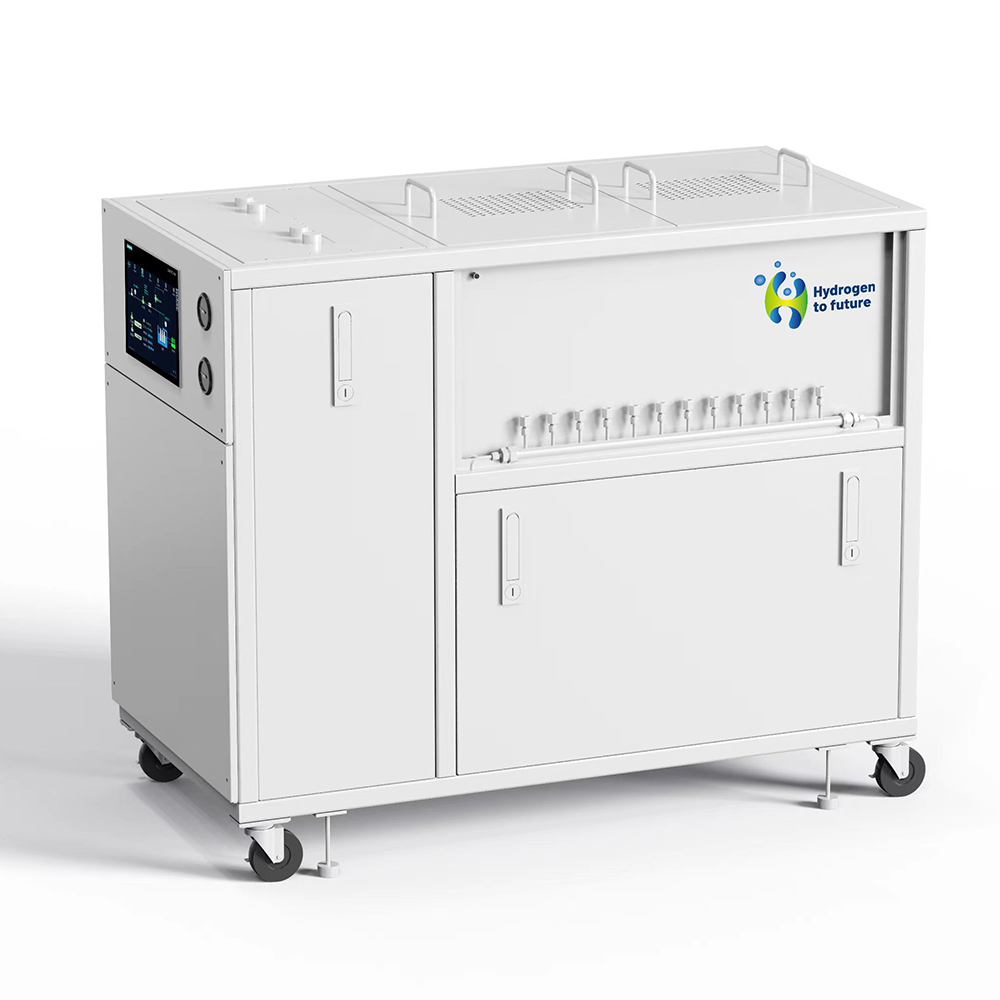
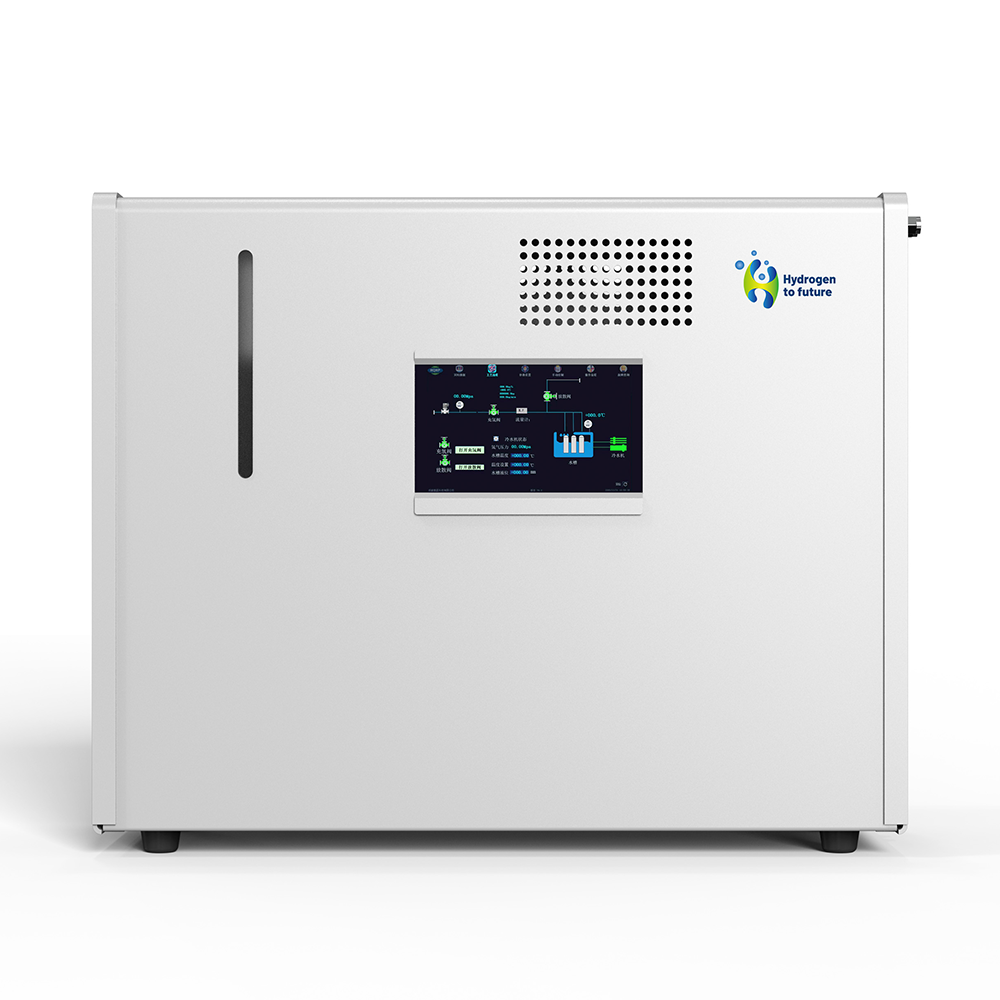
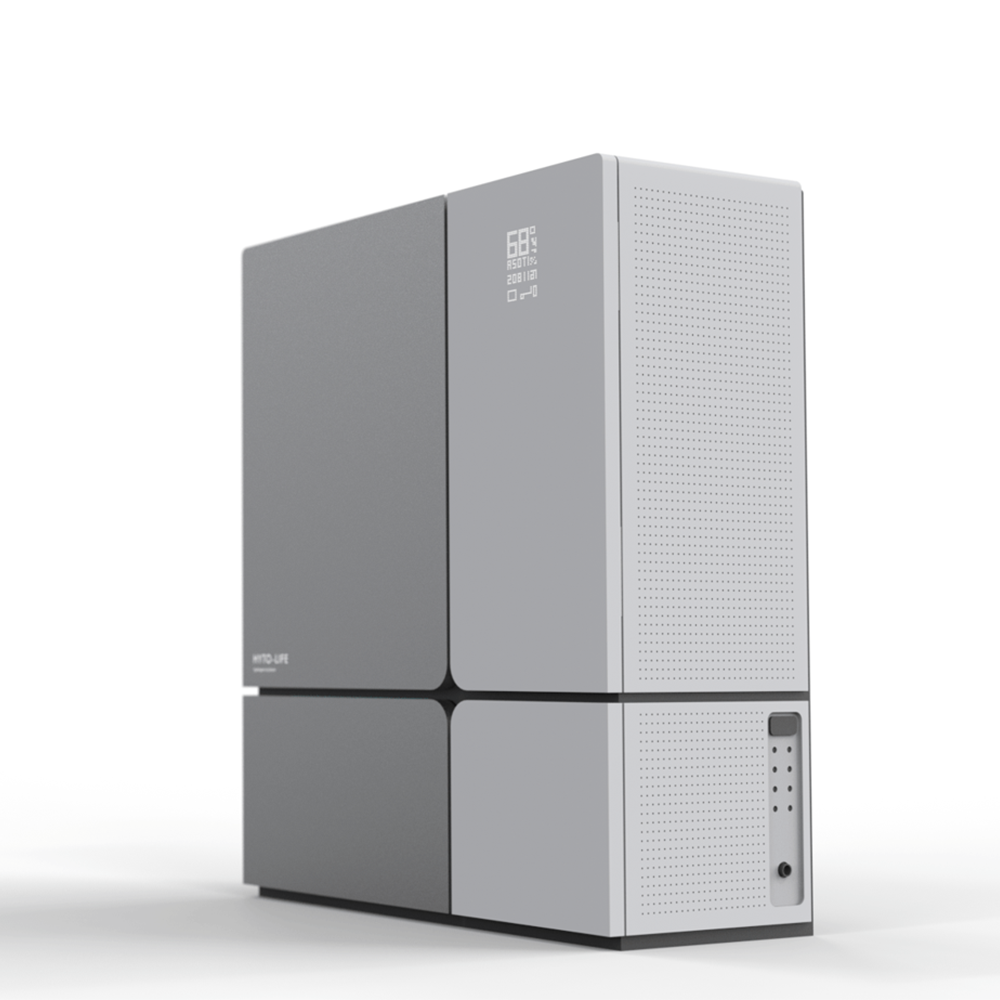
A compact AEM unit refers to a small, space-efficient Anion Exchange Membrane (AEM) electrolyzer designed for distributed hydrogen production, where limited space and on-site generation are key requirements. Hyto Energy’s compact AEM units are engineered to deliver high performance in a small footprint, making them ideal for applications such as commercial buildings, residential complexes, and small industrial facilities. The compact design of these AEM units is achieved through optimized component integration: the electrolyzer stack, power supply, and gas handling systems are streamlined into a single, cohesive unit, minimizing space requirements. This allows for easy installation in locations where space is constrained, such as rooftops, utility rooms, or near point-of-use in industrial settings. Despite their small size, Hyto’s compact AEM units maintain high efficiency, leveraging advanced AEM technology to convert electricity into hydrogen with minimal energy loss. They are designed to operate with standard electrical inputs, enabling easy integration with grid power or on-site renewable energy systems like solar panels, making them suitable for green hydrogen production in distributed settings. Another key feature is their user-friendly operation. Compact AEM units from Hyto often include smart monitoring systems that track performance, hydrogen output, and system health, allowing for remote management and minimal maintenance. This simplicity makes them accessible to users without specialized expertise in hydrogen technology. The modular nature of compact AEM units also allows for scalability—multiple units can be linked together to increase hydrogen production capacity as needed, providing flexibility for growing demand. Whether for fueling small fleets of hydrogen vehicles, supplying hydrogen for on-site fuel cells, or supporting residential energy systems, Hyto’s compact AEM units offer a practical, space-efficient solution. For specific dimensions and performance metrics, contacting Hyto Energy is recommended.
Frequently Asked Questions

How does AI enhance your hydrogen systems?

We integrate AI to optimize system performance. AI monitors electrolyzer efficiency, predicts maintenance needs, adjusts hydrogen production based on renewable energy input, and manages storage levels, ensuring optimal operation and energy utilization.
Our hydrogen tanks are built for longevity. High-pressure gaseous tanks and liquid tanks have a long service life with proper maintenance, often lasting decades. Metal hydride systems also offer durable storage with stable performance over time.
Yes, our integrated systems (solar + electrolyzer + storage + fuel cell) are ideal for off-grid locations. They generate, store, and supply energy independently, providing reliable power to remote areas without access to traditional grids.
Our electrolyzers, especially PEM, work excellently with solar and wind energy. Their fast response and efficiency make them ideal for converting intermittent solar and wind power into hydrogen, effectively storing excess renewable energy.

Related Articles

Green Hydrogen: The Key to Achieving Carbon Neutrality in Energy Transition

28

Jun

Green Hydrogen: The Key to Achieving Carbon Neutrality in Energy Transition

The Critical Role of Green Hydrogen in Achieving Carbon NeutralityWhy Green Hydrogen is Essential for Energy TransitionGreen hydrogen is pivotal for the energy transition from fossil fuels to renewable sources, effectively serving as a clean energy c...
View More
PEM Electrolyzer: High-Efficiency Hydrogen Production for Renewable Energy Integration

20

Mar

PEM Electrolyzer: High-Efficiency Hydrogen Production for Renewable Energy Integration

In the global pursuit of carbon neutrality, green hydrogen has emerged as a core carrier of clean energy, bridging the gap between intermittent renewable energy and stable energy supply. Proton Exchange Membrane (PEM) electrolyzer stands out as a pi...
View More
Enapter PEM Electrolyzer: Compact Design for Residential and Commercial Green Hydrogen Production

25

Sep

Enapter PEM Electrolyzer: Compact Design for Residential and Commercial Green Hydrogen Production

Understanding PEM Electrolysis Technology for Green HydrogenHow PEM Electrolyzers Split Water into Hydrogen and OxygenThe fundamental process of PEM electrolysis involves the decomposition of water molecules into hydrogen and oxygen through the use o...
View More
Plug Power PEMFC: Leading Solutions for Forklift and Stationary Power Applications

25

Sep

Plug Power PEMFC: Leading Solutions for Forklift and Stationary Power Applications

Core Principles of Proton Exchange Membrane Fuel Cells Proton Exchange Membrane Fuel Cells (PEMFCs) are pioneering technologies transforming chemical energy into electrical energy through a clean electrochemical process. The process involves a fundam...
View More

Customer Reviews

Rachel Adams

We tested Hyto’s AEM electrolyzer—combines alkaline’s affordability with PEM’s speed. Great for our mixed renewable input (solar + wind). Hydrogen purity is high, and it handles power fluctuations well. A smart middle ground.

Christopher Evans

Our AEM system needs minimal checks—no frequent part replacements. Produces consistent hydrogen for our research lab. It’s compact, fits in our facility easily, and integrates with our existing power setup. Very satisfied.

Get a Free Quote

Our representative will contact you soon.
0/1000
AEM Electrolyzer: Cost-Efficient Innovation Merging Alkaline and PEM Benefits

AEM Electrolyzer: Cost-Efficient Innovation Merging Alkaline and PEM Benefits

AEM electrolyzers use anion exchange membranes, combining the low cost of alkaline electrolyzers with the high efficiency of PEM systems. They employ non-precious metal catalysts, making them an emerging, cost-effective option suitable for early commercialization and diverse hydrogen production needs.