 EN
EN
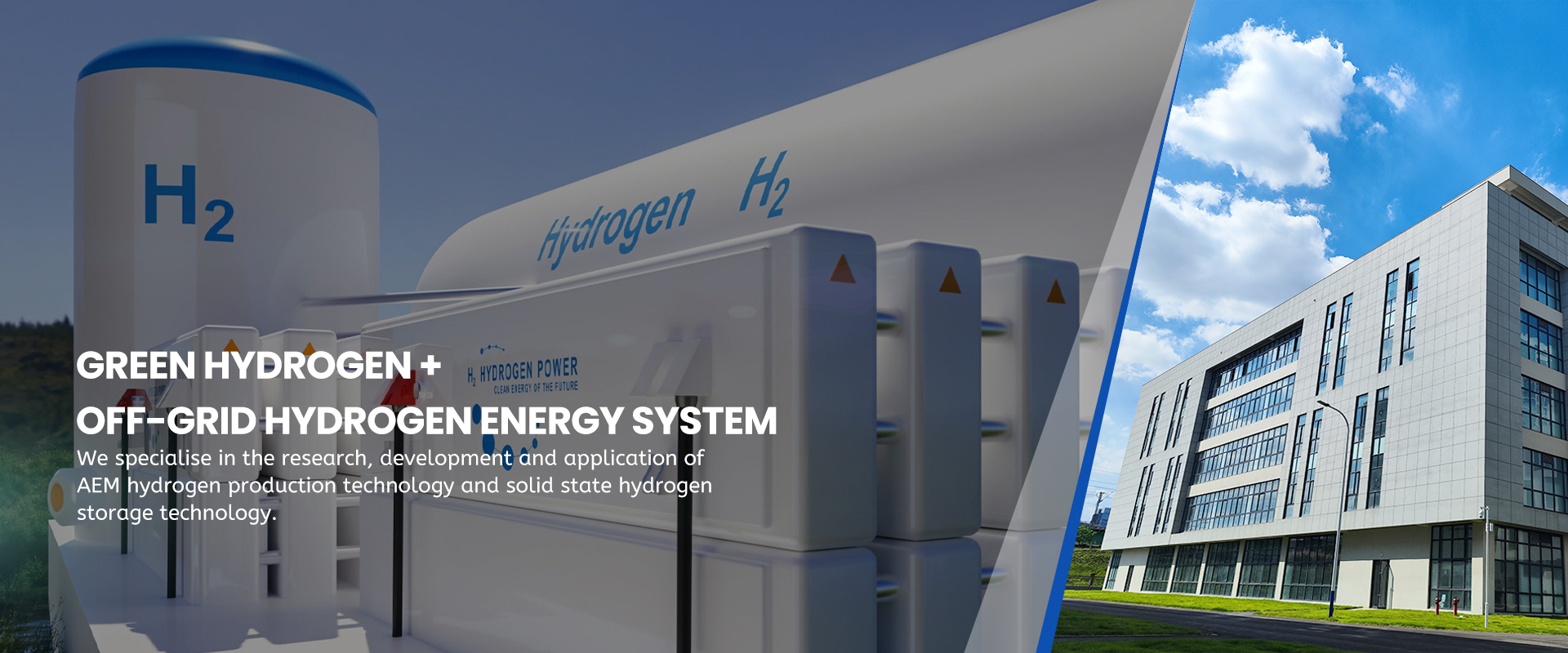
The global pursuit of zero-carbon energy systems has propelled green hydrogen into the core of renewable energy development, with proton exchange membrane (PEM) electrolysis emerging as a pivotal technology for on-site hydrogen production. For residential and commercial scenarios, space efficiency and operational flexibility are non-negotiable demands, making the compact design of electrolyzers a game-changer in green hydrogen application. Enapter PEM Electrolyzer stands out in this field, with its optimized compact structure perfectly matching the distributed energy needs of homes and commercial entities. Hyto Energy Company Limited, a pioneer in AEM hydrogen production and solid state hydrogen storage technology, further complements the application of Enapter PEM Electrolyzer, building a complete and efficient green hydrogen ecosystem for residential and commercial users through integrated hydrogen solutions.
Core Traits of Enapter PEM Electrolyzer’s Compact Design
The compact design of Enapter PEM Electrolyzer is not just about size reduction but a comprehensive optimization of performance and adaptability, which is the key to its wide application in residential and commercial scenarios. Firstly, it features an ultra-small footprint, with a modular structure that can be easily installed in limited spaces such as residential basements, commercial building equipment rooms and small hydrogen refueling stations, eliminating the need for large-scale infrastructure construction. Secondly, it boasts fast dynamic response, capable of real-time adjustment of hydrogen production capacity according to the output fluctuations of distributed renewable energy such as rooftop photovoltaic and small wind power, achieving efficient utilization of intermittent clean energy. Thirdly, it has low requirements for input water purity and supports automated remote operation, greatly reducing the daily maintenance cost for residential and commercial users. In addition, the compact PEM electrolyzer of Enapter can realize modular expansion, allowing users to increase hydrogen production modules according to actual demand, which is highly in line with the step-by-step energy upgrade needs of residential and commercial scenarios.
Compact PEM Electrolyzer in Residential & Commercial Scenarios
In residential scenarios, Enapter PEM Electrolyzer’s compact design enables household green hydrogen production and utilization: rooftop photovoltaic power can drive the electrolyzer to produce hydrogen on site, which is stored through small solid state hydrogen storage devices, and then converted into electricity and heat through fuel cells to meet the daily energy needs of residents, realizing self-sufficiency of clean energy and zero carbon emissions in residential life. For commercial scenarios, the value of compact PEM electrolyzer is more diversified. Small and medium-sized commercial complexes can use it to build distributed hydrogen energy systems, providing clean power for office equipment and green hydrogen for fuel cell vehicles in the park; small hydrogen refueling stations in commercial districts can rely on its compact structure to realize on-site hydrogen production and refueling, solving the problem of high transportation and storage costs of hydrogen for small-scale refueling scenarios; in addition, the compact PEM electrolyzer is also widely used in commercial fields such as data centers and communication base stations, providing stable backup power through hydrogen energy storage and ensuring the continuous operation of key equipment.
Synergy Between Enapter PEM and Hyto Energy’s Hydrogen Solutions
The large-scale application of Enapter PEM Electrolyzer in residential and commercial green hydrogen production cannot be separated from the support of professional hydrogen storage and system integration solutions, and Hyto Energy Company Limited has become the ideal partner for this application with its core technological advantages. Hyto Energy specializes in the R&D and application of AEM hydrogen production technology and solid state hydrogen storage technology (metal hydride), and its gram, kilogram and tonne scale solid state hydrogen storage devices can perfectly match the on-site hydrogen production capacity of Enapter’s compact PEM electrolyzer, realizing safe and efficient storage of green hydrogen for residential and commercial users. Different from traditional high-pressure gaseous hydrogen storage, Hyto Energy’s solid state hydrogen storage technology has the characteristics of high safety, small volume and easy transportation, which is highly compatible with the compact design of Enapter PEM Electrolyzer. In addition, Hyto Energy provides 2KW to 5MW class AEM hydrogen production products and total solutions for hydrogen microgrids, which can form a complementary technical system with Enapter’s PEM electrolyzer: PEM electrolyzer undertakes small-scale distributed on-site hydrogen production, while AEM hydrogen production technology of Hyto Energy meets the medium and large-scale hydrogen demand of commercial clusters, and the hydrogen microgrid solution integrates the two technologies to realize the optimal allocation of green hydrogen in residential and commercial energy systems. With a strong R&D team including 8 PhD engineers and 22 master's degree engineers, as well as a number of invention and utility model patents, Hyto Energy has strong technical strength in system integration and project implementation, providing reliable technical support for the seamless connection between Enapter PEM Electrolyzer and actual residential and commercial application scenarios.
Conclusion
Enapter PEM Electrolyzer’s compact design has broken the space and cost barriers of green hydrogen production in residential and commercial scenarios, making on-site, distributed and small-scale green hydrogen utilization a reality, and becoming an important driving force for the popularization of green hydrogen in terminal energy consumption. The synergy between Enapter PEM Electrolyzer and Hyto Energy’s hydrogen solutions further optimizes the residential and commercial green hydrogen industrial chain: Enapter provides efficient on-site hydrogen production equipment, and Hyto Energy complements the key links of hydrogen storage, medium and large-scale hydrogen production and system integration, building a closed loop of "hydrogen production-storage-utilization" for residential and commercial users. Under the global zero-carbon target, the combination of compact PEM electrolyzer technology and professional hydrogen energy solutions will surely accelerate the penetration of green hydrogen in residential and commercial fields, and Hyto Energy Company Limited will continue to play a core role in this process with its advanced AEM hydrogen production and solid state hydrogen storage technology, contributing to the construction of a clean and sustainable energy world for mankind.