
 EN
EN
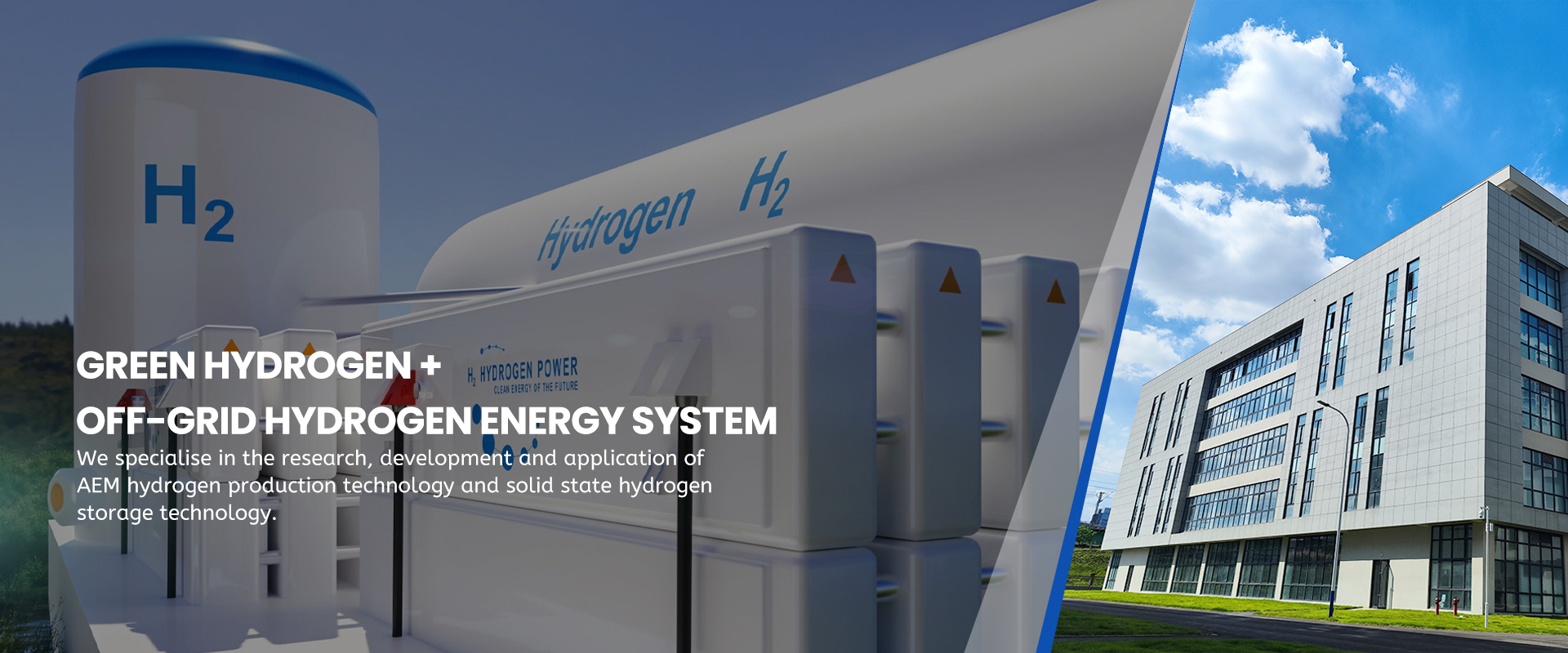
Global Regulatory Framework for 70 MPa Hydrogen Tank Certification
FMVSS No. 308 (U.S.), UN GTR No. 13 (UN-ECE), and ISO 15869: Harmonized Core Requirements for Hydrogen Tank Approval
Hydrogen tank safety relies heavily on international standards that govern everything from manufacturing to performance. Three main regulations stand out: FMVSS 308 from the US government, UN GTR 13 developed by the United Nations, and ISO 15869 which covers broader industrial applications. These rules set strict requirements for tanks storing hydrogen at 70 MPa pressure levels. They insist on burst tests where pressure must exceed 175 MPa before failure occurs, plus extensive fatigue testing that mimics around 5,500 times what happens during normal refueling operations. Permeation rates need to stay under 0.15 NmL per hour per liter when temperatures reach 85 degrees Celsius. When it comes to leaks, there simply cannot be any detectable emissions after keeping the tank pressurized for 200 straight hours. The materials used have to meet tough specs too carbon fiber needs at least 3,500 MPa tensile strength, and the resin matrix has to hold up against heat above 120 degrees Celsius. All manufacturers must get their products tested by independent labs that are properly accredited. This ensures tanks can handle both regular wear and tear as well as extreme situations like crashes where forces might hit 30Gs laterally. Such standardization helps different countries work together seamlessly while keeping the risk of catastrophic failures extremely low about one chance in a million per hour of operation.
Key Divergences: Fire Resistance Thresholds in UN R134 vs. FMVSS 308 and Their Impact on Hydrogen Tank Design
Different fire resistance standards force engineers to make tough choices when designing systems. The European Union's Regulation 134 demands components survive 20 minutes in extremely hot hydrocarbon fires (around 1,100 degrees Celsius) without failing their thermal protection, while the US standard FMVSS 308 sets a lower bar at just 12.5 minutes and 800 degrees. That big difference in temperature requirements has pushed material scientists to develop new solutions. Companies selling worldwide often mix ceramic microspheres into their resins and install thick aerogel barriers about 15 millimeters deep. These changes make the whole system heavier by roughly 3.8 kilograms, but they cut down on carbon fiber breakdown risks by almost half. Meeting the tougher EU rules means switching from regular aluminum parts to expensive titanium valves too, which adds around 18% to production costs but stops catastrophic failures during pressure spikes. Looking at these regulatory differences shows why hydrogen storage tanks get designed differently across regions - what works in one market might not meet safety expectations elsewhere.
Structural Integrity and Material Reliability of 70 MPa Hydrogen Tanks
Carbon/Epoxy Composite Degradation Under Cyclic Pressure and Thermal Stress
CFRP composites make for lighter hydrogen storage tanks but they do have issues when put through their paces operationally. When these tanks go through repeated pressure changes from around 5 to 70 MPa, tiny cracks start forming in the epoxy part of them. And then there's the temperature swings too cold at minus 40 degrees Celsius up to hot at 85 degrees Celsius which makes layers come apart at the interfaces. Combine both these problems and we see a drop in burst strength somewhere between 15% and 25% after about 15 thousand cycles. Testing done faster than normal conditions reveals something interesting the thermal cycling actually causes about double the amount of cracking compared to just pressure cycling alone. That tells us temperature differences play a bigger role in how reliable these tanks stay over time. Manufacturers fighting this degradation problem typically turn to special high strain epoxies that are tougher when things break. They also tweak the angle at which fibers are wound usually around plus or minus 55 degrees to spread out those hoop stresses better. Some companies even add liners modified with nanoclay particles to help keep hydrogen from leaking through.
Burst Pressure, Fatigue Life, and Leak Integrity Testing per SAE J2579 and ISO 15869 Annex D
When it comes to safety certification for these systems, there are basically three main things they check: how much pressure the tank can handle before bursting, how long it lasts under repeated stress, and whether it leaks at all. For burst testing, the requirement is pretty straightforward - the tanks need to hold up against at least 157.5 MPa, which is about 2.25 times their normal operating pressure, without any structural issues. Fatigue testing involves putting the tanks through thousands of pressure cycles. The exact numbers vary depending on which standard applies: around 11,000 cycles according to SAE J2579, or 15,000 if following ISO 15869 Annex D. These tests simulate what happens after about 15 years of regular refueling in real world conditions. Checking for leaks typically involves something called helium mass spectrometry. At 87.5 MPa pressure, the maximum allowable leakage rate is either 0.15 NmL/hr/L as per SAE standards or 0.25 NmL/hr/L according to ISO guidelines. There's actually a small difference between the standards when it comes to safety margins too. SAE J2579 wants a 2.25x safety factor above normal pressure levels, whereas ISO 15869 Annex D asks for 2.35x above design pressure. Beyond all these tests, manufacturers also run bonfire and gunfire simulations to prove just how tough these tanks really are. And don't forget about those thermal activated pressure relief devices (TPRDs) that kick in automatically once hydrogen pressure reaches 110% of what the tank is rated for.
Thermal Management Challenges During 70 MPa Refueling
Joule-Thomson Effect-Induced Temperature Spikes: Physics, Measurement, and Implications for Hydrogen Tank Safety
When hydrogen gets compressed quickly during those 70 MPa refuelings, it causes spots where temperatures jump above 85 degrees Celsius because of something called the Joule-Thomson effect. Basically, when the gas gets squeezed so fast, it heats up quicker than the system can cool it down. These hot areas become real problems for Type IV tanks. Standards set by organizations such as SAE J2601 demand constant watch through infrared cameras and built-in sensors throughout the process. If things get too hot, they actually have to stop filling until everything cools back down below that dangerous 85 degree mark. Letting these temperatures run wild makes hydrogen leak out faster too about 15% more for every extra 10 degrees Celsius. Worse still, it puts the composite layers at risk of peeling apart. That's why modern systems now include smart controls that adjust how much fuel goes in based on predictions, along with pressure relief devices that kick in well before things reach unsafe levels. While these safety measures do cut into efficiency slightly around 2% max during quick fills, they're absolutely necessary for keeping everyone safe on the road.
FAQ Section
What are the main safety standards for 70 MPa hydrogen tanks?
The main safety standards for 70 MPa hydrogen tanks include FMVSS 308, UN GTR 13, and ISO 15869, which set requirements for burst pressure, fatigue testing, and permeation rates.
How does fire resistance differ between US and EU regulations?
US FMVSS 308 requires components to withstand 12.5 minutes at 800 degrees Celsius, whereas EU Regulation 134 demands 20 minutes at 1,100 degrees Celsius, impacting material choices and design.
What challenges do CFRP composites face?
CFRP composites face issues with cracks forming in epoxy due to cyclic pressure and temperature stress, leading to earlier degradation than expected.
What pressure tests do hydrogen tanks undergo?
Hydrogen tanks undergo burst pressure tests to withstand at least 157.5 MPa and fatigue life tests involving thousands of pressure cycles per standards like SAE J2579 and ISO 15869 Annex D.
How does the Joule-Thomson effect impact refueling?
The Joule-Thomson effect can cause temperature spikes above 85 degrees Celsius during rapid compression at 70 MPa, necessitating monitoring and cooling measures to ensure safety.