Hydrogen Energy Solutions for Clean Power & Industrial Use

Hydrogen Energy: Our Versatile Clean Secondary Energy

Hydrogen energy is a core focus. As a clean, efficient secondary energy, it's produced via electrolysis and other methods, used in power generation, heating, transport, and industry, driving the global energy transition to cleanliness.
Get A Quote

Why choose us?

Self-sufficient home energy systems

Systems like Picea integrate electrolyzer, hydrogen storage, and fuel cell, using solar to produce/store hydrogen, ensuring home electricity/heating self-sufficiency.

Safe and convenient Lavo-inspired home storage

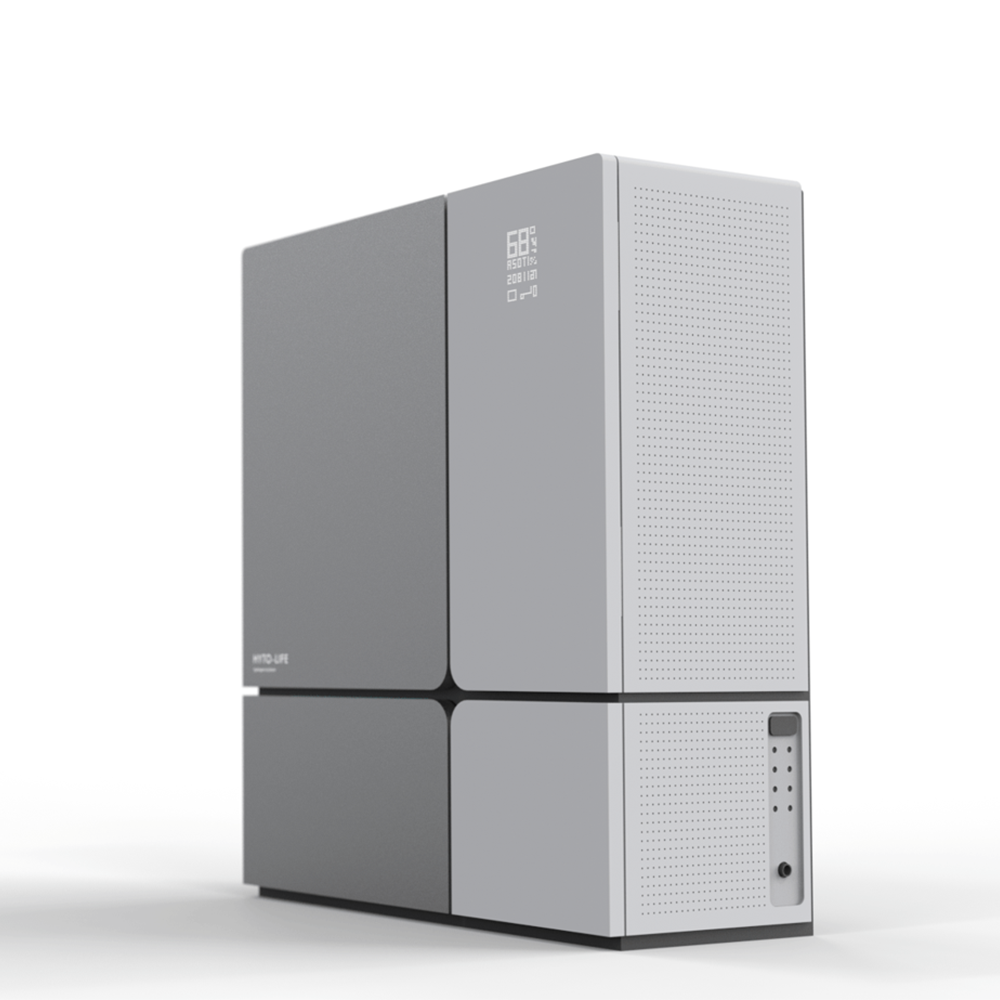
Our home metal hydride storage (inspired by Lavo) pairs with solar, converting excess electricity to hydrogen safely, with easy installation and maintenance.

Efficient integrated energy systems

HPS-integrated systems (e.g., Picea 2) combine hydrogen production, storage, and power generation, with heat recovery to boost overall energy efficiency.

Related products

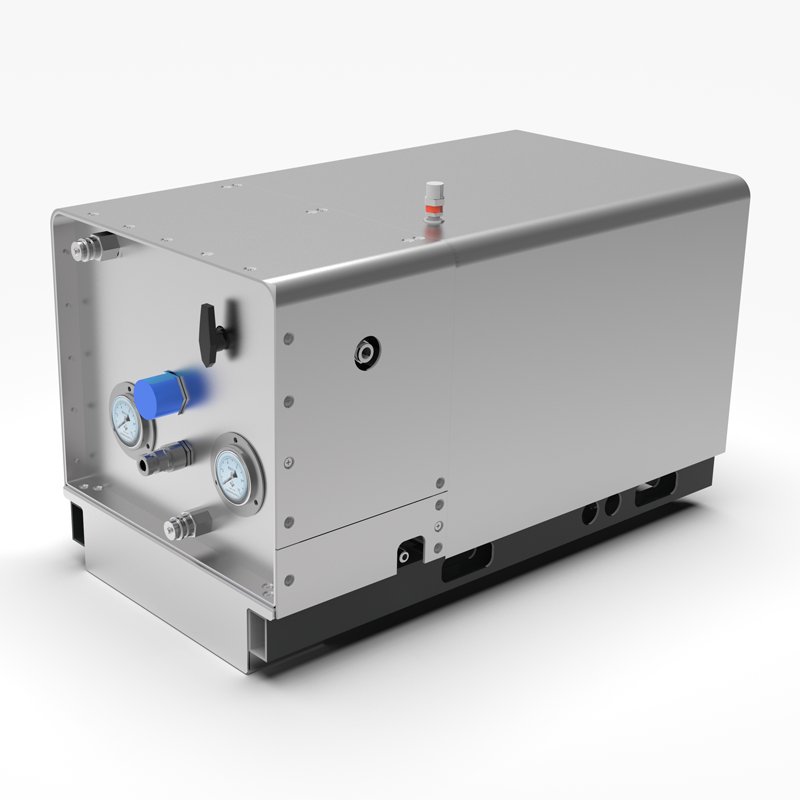
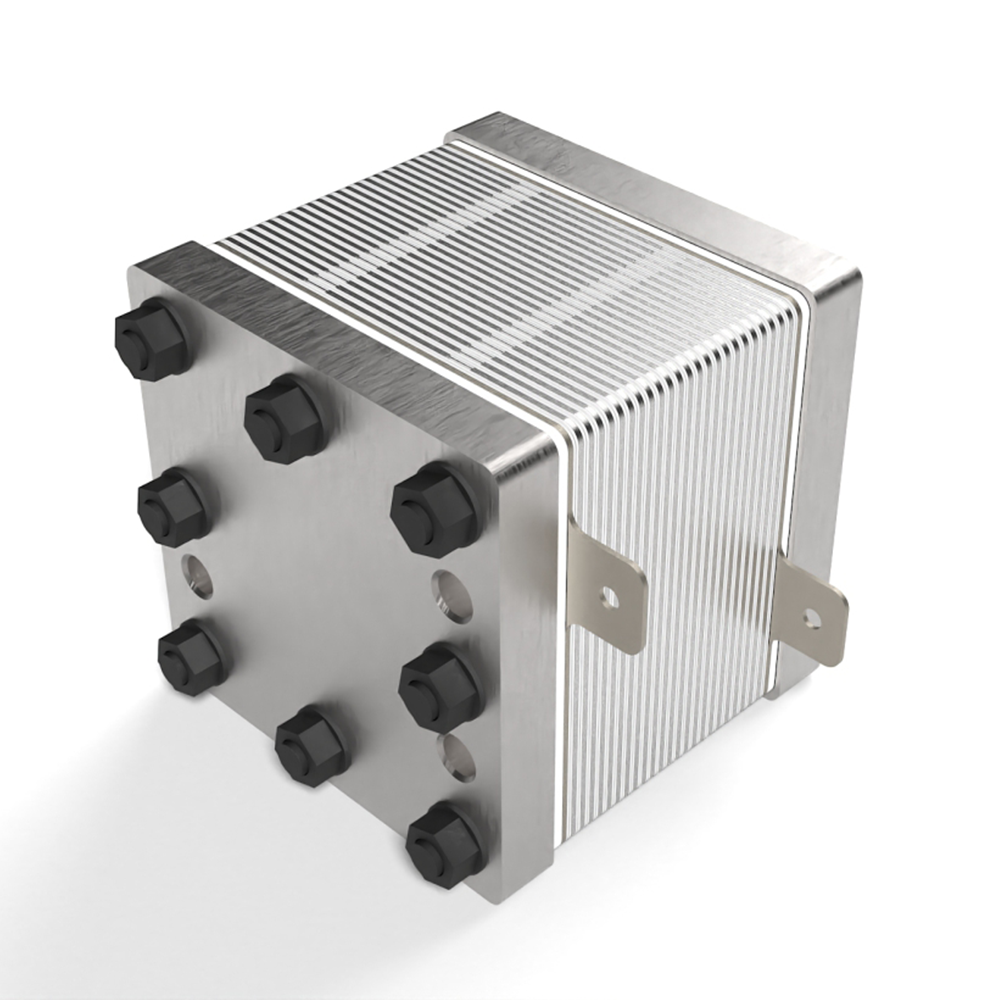
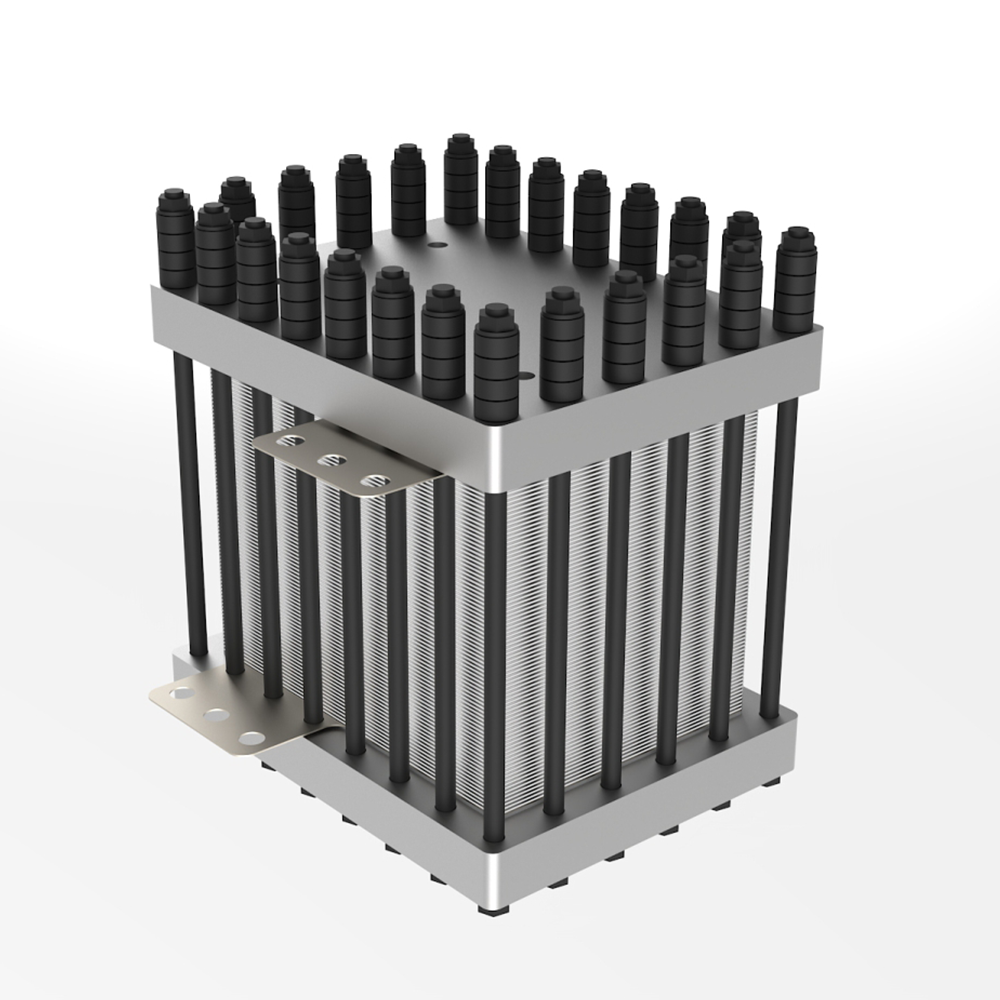
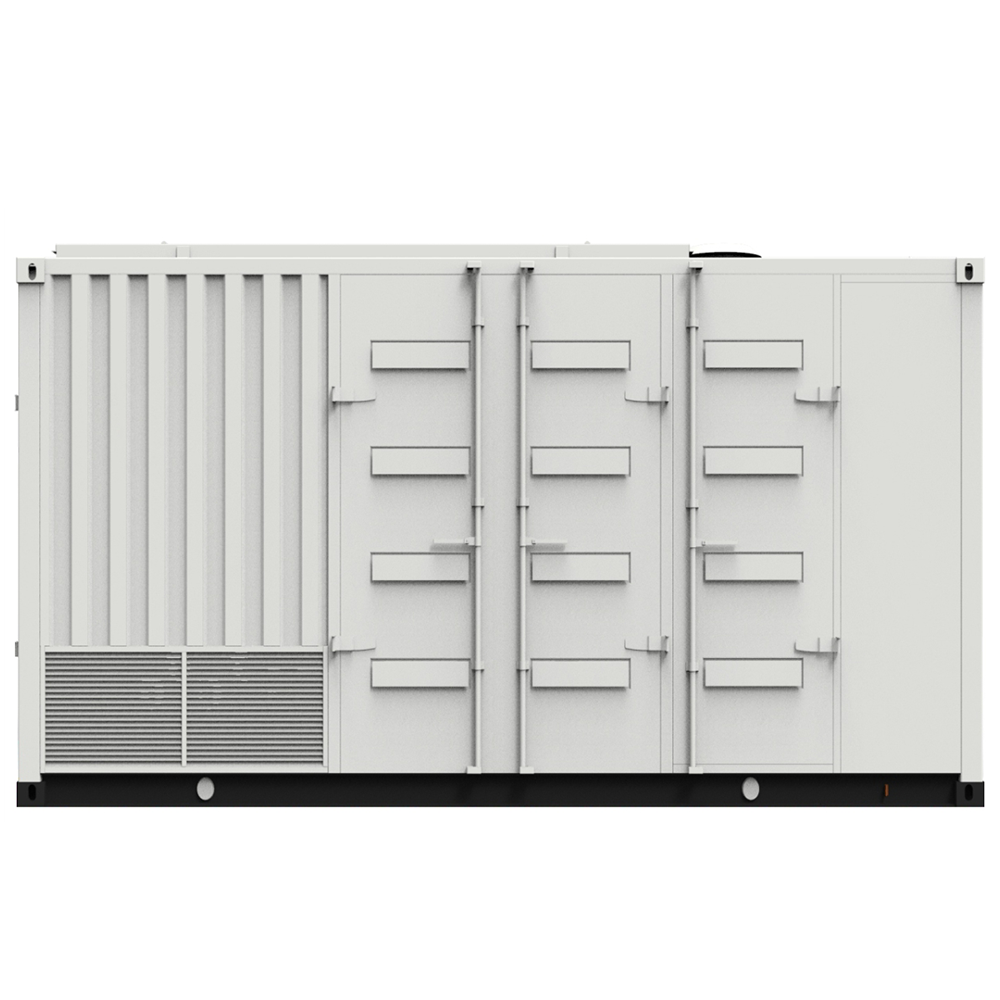
The hydrogen energy market is experiencing significant growth, driven by global decarbonization goals, and Hyto Energy is positioned to capitalize on this expansion through its diverse portfolio of hydrogen technologies. Key growth drivers include increasing demand for green hydrogen in industrial decarbonization (steel, chemicals), the expansion of hydrogen fuel cell vehicles and refueling infrastructure, and the integration of hydrogen into renewable energy storage systems. Governments worldwide are supporting this growth with policies, subsidies, and investments in hydrogen hubs, creating a favorable regulatory environment. Hyto’s offerings—alkaline, PEM, and AEM electrolyzers for production; metal hydride and tank storage solutions; and PEM fuel cells for power conversion—cater to this growing demand across scales, from small home systems to large industrial plants. The market is also seeing innovation in cost reduction, with Hyto’s AEM electrolyzers (using non-precious metals) and modular designs lowering barriers to entry. As renewable energy costs continue to fall, green hydrogen becomes increasingly competitive with fossil fuel alternatives, further accelerating market growth. Hyto Energy’s focus on reliability, efficiency, and sustainability positions it to meet the rising demand, contributing to and benefiting from the expanding hydrogen energy market.
Frequently Asked Questions

What is the energy density of your metal hydride storage?

Our metal hydride storage systems offer high energy density due to the chemical bonding of hydrogen with metals. This allows for compact storage with a high amount of hydrogen per unit volume, ideal for space-constrained applications.
Our fuel cells are designed to operate within a range of temperatures. While PEMFCs are optimized for moderate temperatures, we offer solutions suitable for higher-temperature industrial environments, ensuring reliable performance.
The amount varies by electrolyzer efficiency: our PEM electrolyzers, with over 80% efficiency, require approximately 4.5-5.5 kWh of renewable electricity per kg of hydrogen, making them energy-efficient producers of green hydrogen.
By enabling on-site hydrogen production from renewable sources, our systems reduce reliance on imported fossil fuels and centralized power grids. This enhances energy security, as communities and industries can generate their own clean energy.

Related Articles

Green Hydrogen: The Key to Achieving Carbon Neutrality in Energy Transition

28

Jun

Green Hydrogen: The Key to Achieving Carbon Neutrality in Energy Transition

The Critical Role of Green Hydrogen in Achieving Carbon NeutralityWhy Green Hydrogen is Essential for Energy TransitionGreen hydrogen is pivotal for the energy transition from fossil fuels to renewable sources, effectively serving as a clean energy c...
View More
PEM Electrolyzer: High-Efficiency Hydrogen Production for Renewable Energy Integration

20

Mar

PEM Electrolyzer: High-Efficiency Hydrogen Production for Renewable Energy Integration

In the global pursuit of carbon neutrality, green hydrogen has emerged as a core carrier of clean energy, bridging the gap between intermittent renewable energy and stable energy supply. Proton Exchange Membrane (PEM) electrolyzer stands out as a pi...
View More
Hydrogen Tank Technologies: Comparison of High-Pressure Gaseous and Liquid Storage

20

Mar

Hydrogen Tank Technologies: Comparison of High-Pressure Gaseous and Liquid Storage

1. The Critical Role of Hydrogen Tank Technologies in the Hydrogen Industry Hydrogen storage is the core link connecting hydrogen production and utilization in the hydrogen energy industry, and tank-based storage technologies are the most widely ap...
View More
Plug Power PEMFC: Leading Solutions for Forklift and Stationary Power Applications

25

Sep

Plug Power PEMFC: Leading Solutions for Forklift and Stationary Power Applications

Core Principles of Proton Exchange Membrane Fuel Cells Proton Exchange Membrane Fuel Cells (PEMFCs) are pioneering technologies transforming chemical energy into electrical energy through a clean electrochemical process. The process involves a fundam...
View More

Customer Reviews

Farmer John Wilson

Hyto’s hydrogen energy powers our tractors, heats our barns, and runs our processing equipment. It’s versatile—one energy source for all needs. Produced from our solar panels, so it’s cheap and clean. Game-changing for agriculture.

Island Resident Lisa Martinez

Our remote island uses hydrogen energy from Hyto. Solar makes hydrogen, which powers everything—homes, school, clinic. No more expensive diesel imports. It’s reliable, even in storms, and has improved our quality of life.

Get a Free Quote

Our representative will contact you soon.
0/1000
Hydrogen Energy: Versatile, Clean Secondary Energy for Multiple Sectors

Hydrogen Energy: Versatile, Clean Secondary Energy for Multiple Sectors

Hydrogen energy is a clean, efficient secondary energy source produced via electrolysis or reforming. It is used in power generation, heating, transportation, and industry, serving as a key carrier in the global transition to low-carbon energy systems.