Hydrogen Energy Solutions for Clean Power & Industrial Use

Hydrogen Energy: Our Versatile Clean Secondary Energy

Hydrogen energy is a core focus. As a clean, efficient secondary energy, it's produced via electrolysis and other methods, used in power generation, heating, transport, and industry, driving the global energy transition to cleanliness.
Get A Quote

Why choose us?

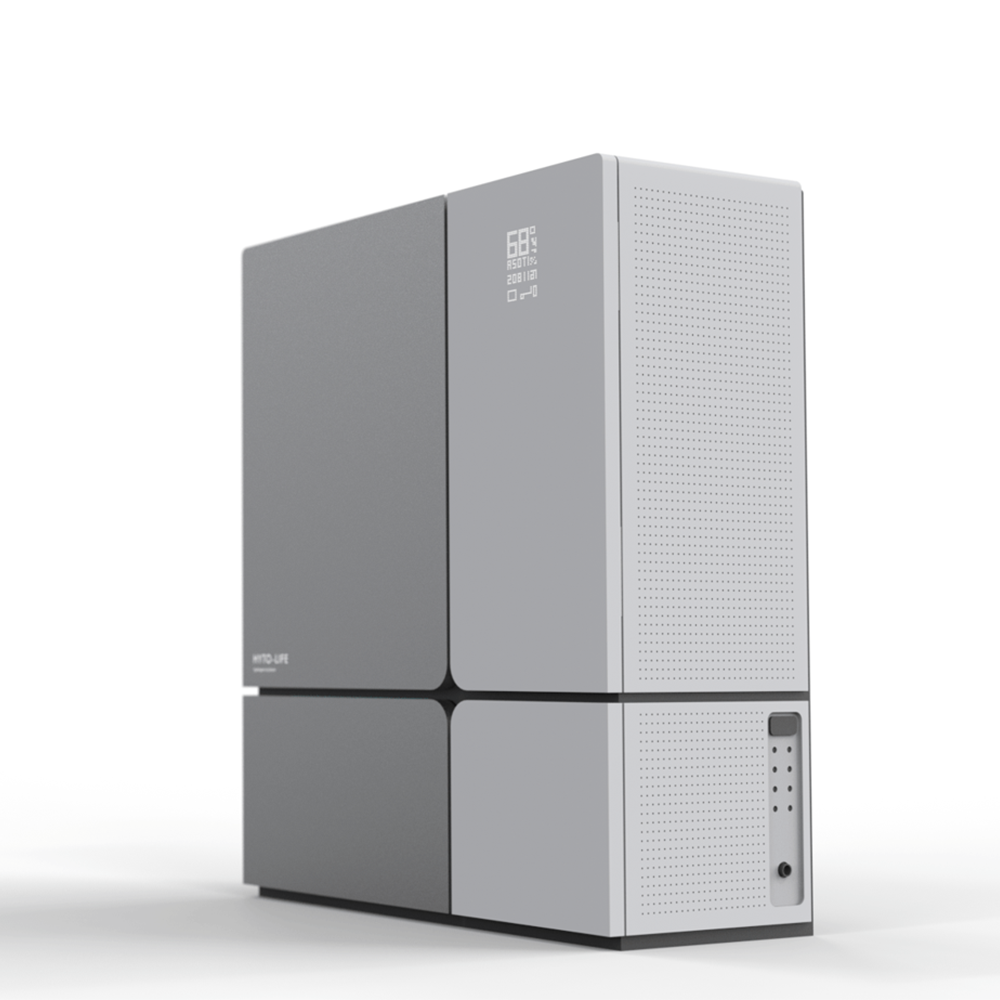
Safe and convenient Lavo-inspired home storage

Our home metal hydride storage (inspired by Lavo) pairs with solar, converting excess electricity to hydrogen safely, with easy installation and maintenance.

Modular design for flexible deployment

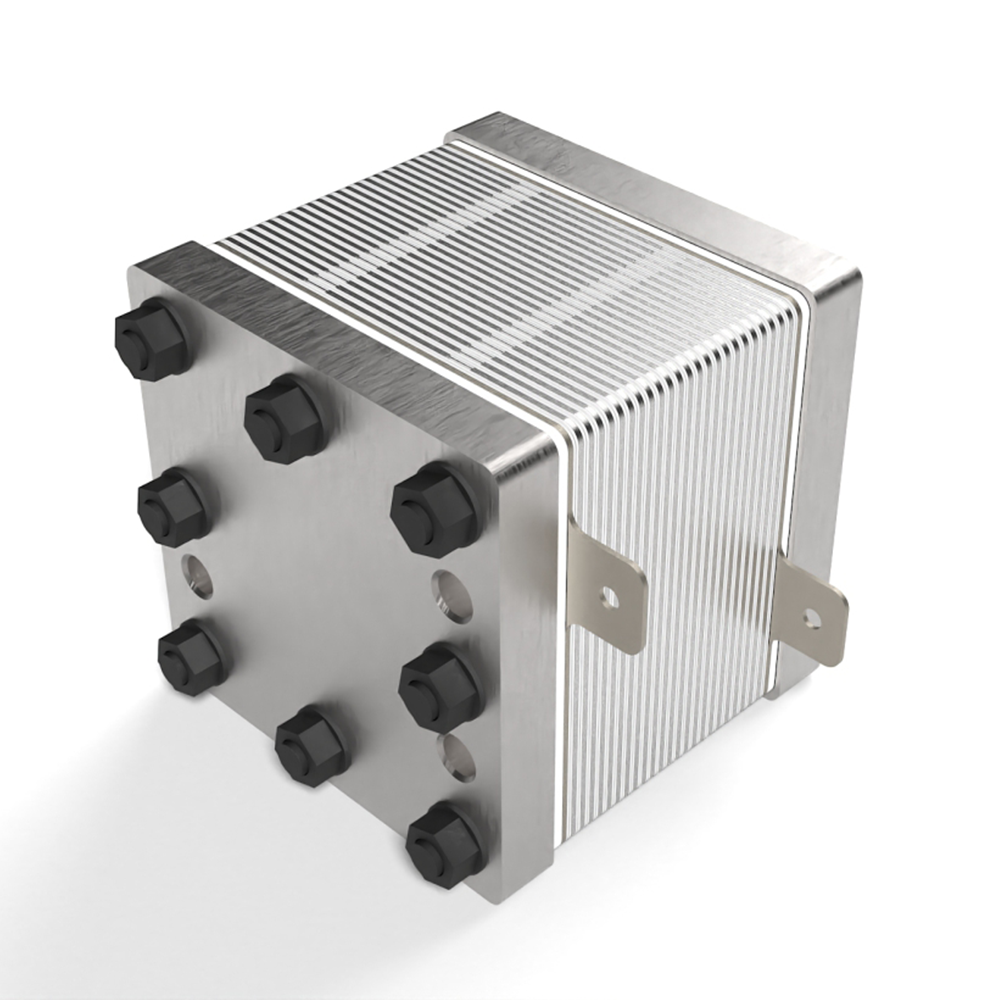
Following Enapter's model, our small, modular electrolyzers (PEM/AEM) enable flexible deployment in homes and commercial settings, with low maintenance.

Efficient integrated energy systems

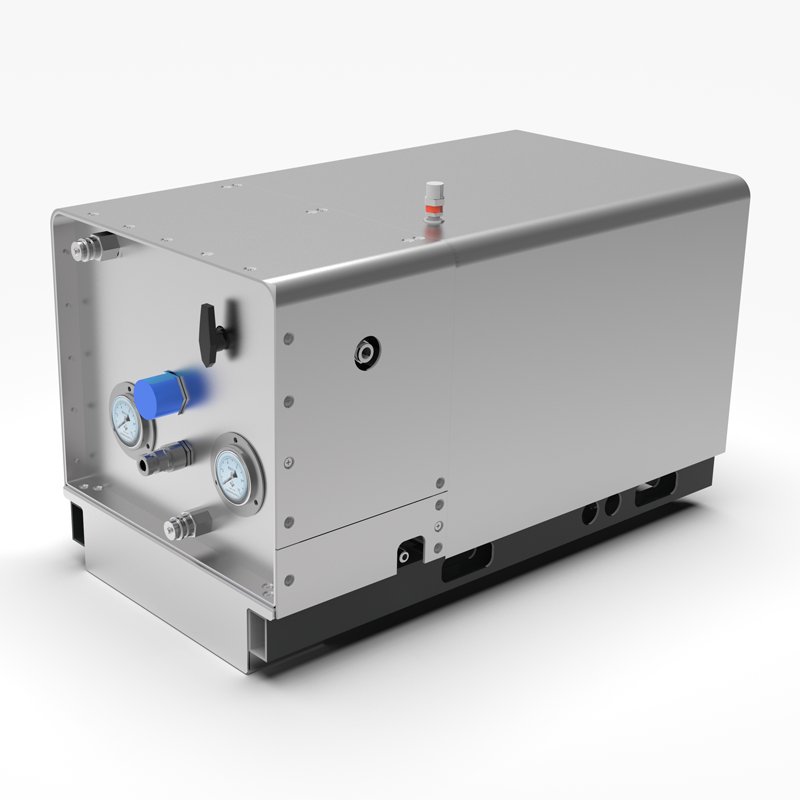
HPS-integrated systems (e.g., Picea 2) combine hydrogen production, storage, and power generation, with heat recovery to boost overall energy efficiency.

Related products

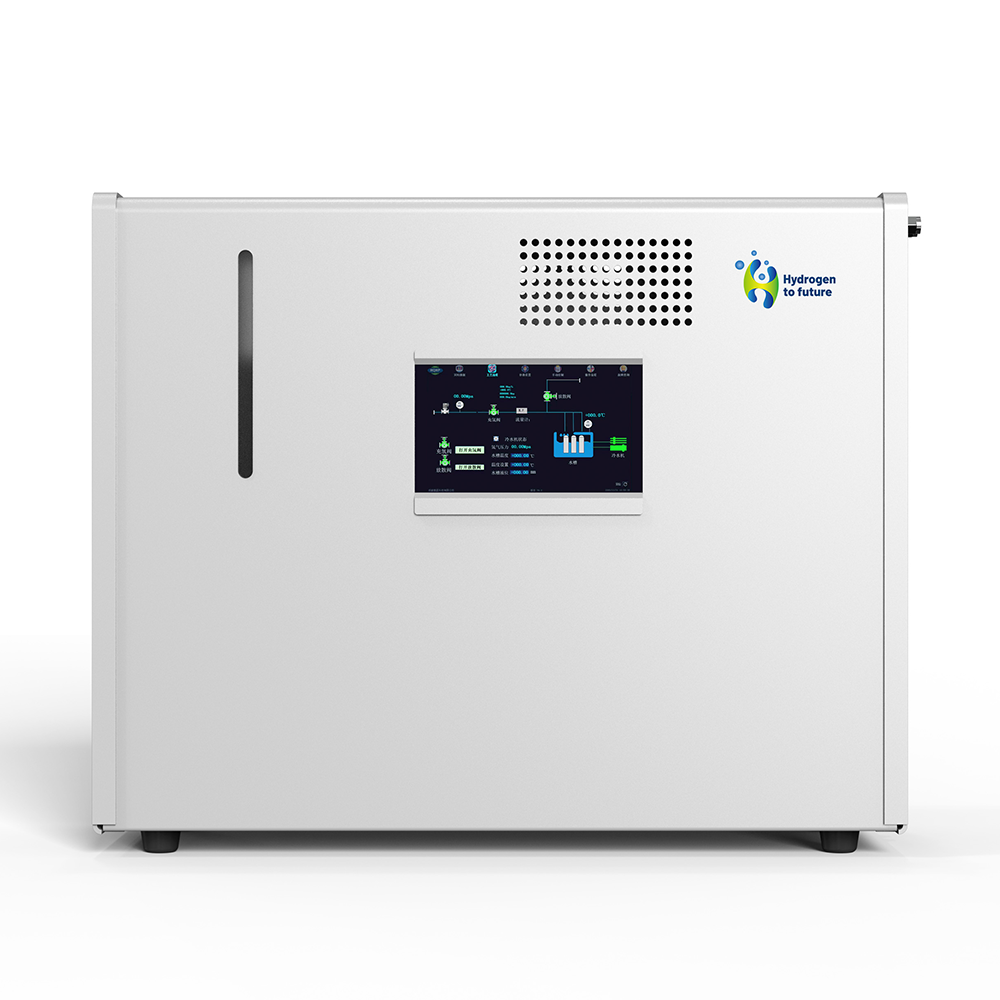
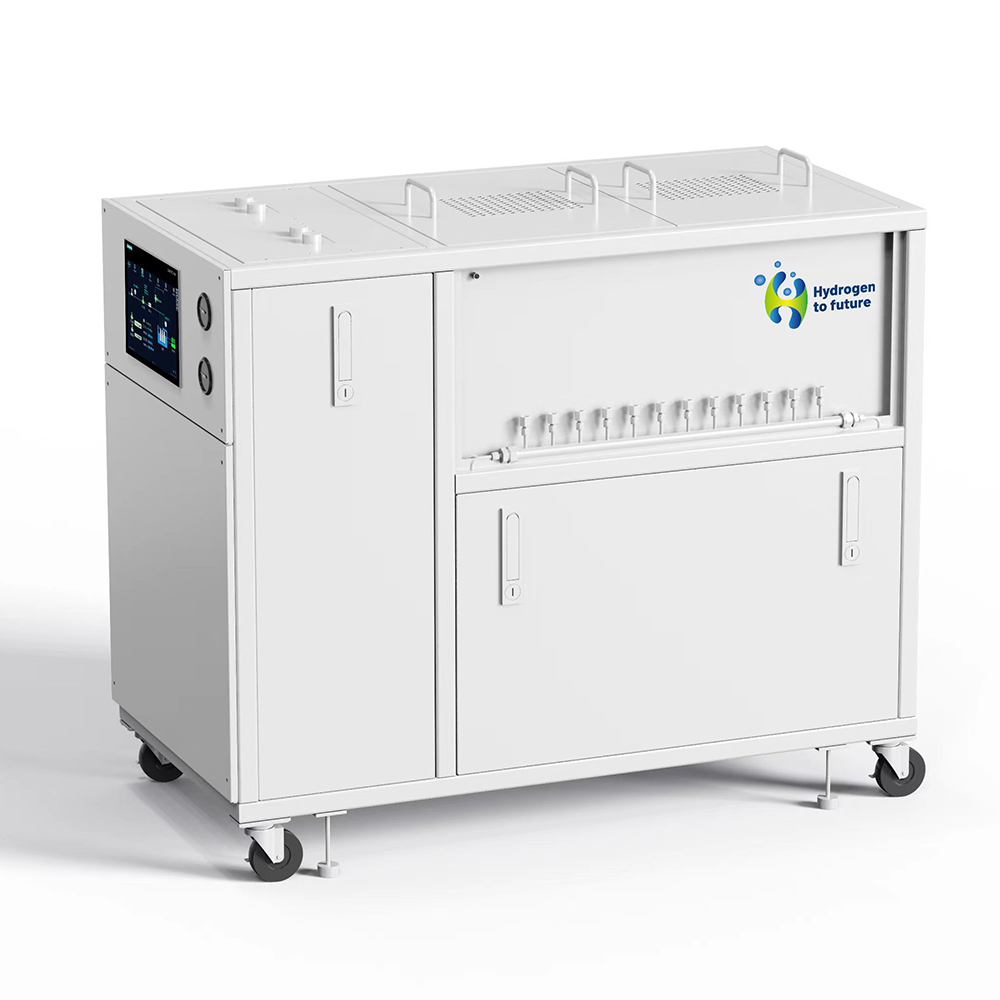
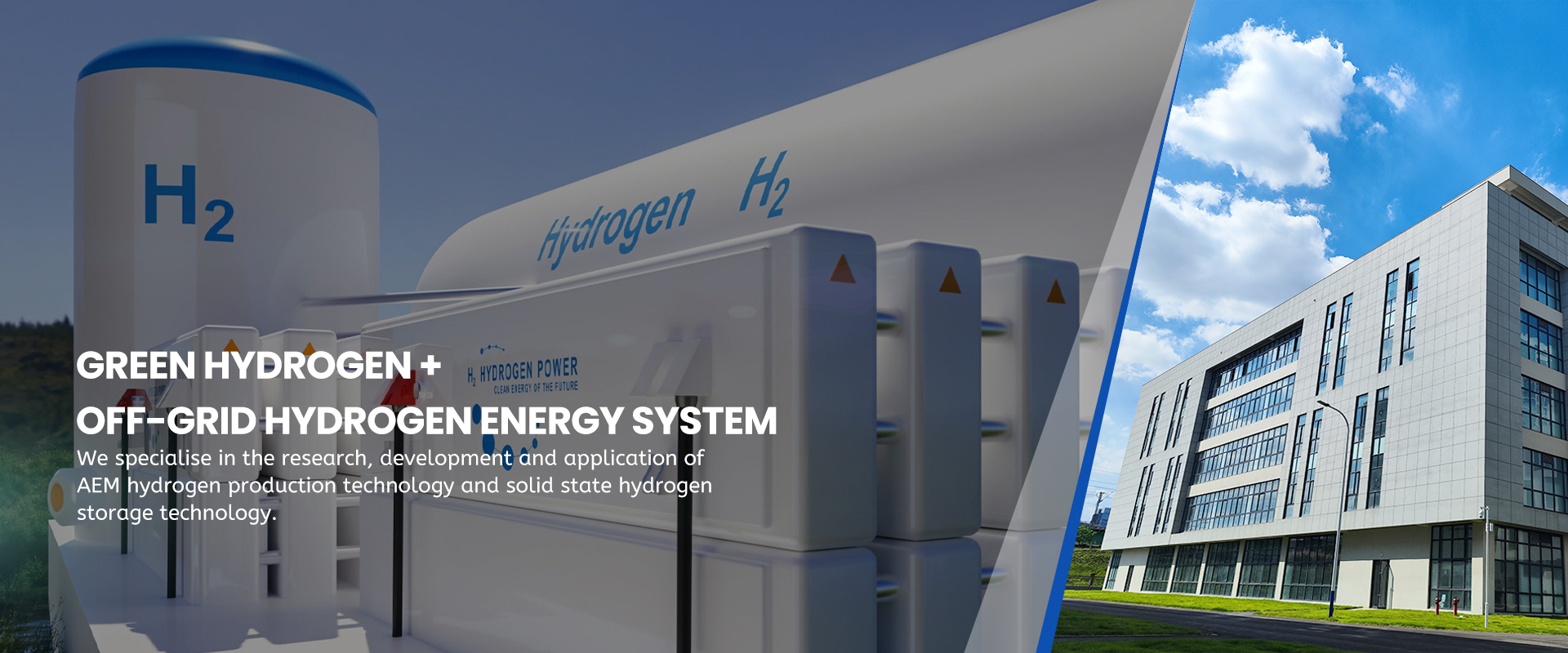
The hydrogen energy transition refers to the shift from fossil fuel-based energy systems to ones where hydrogen acts as a key clean energy carrier, and Hyto Energy is a critical enabler of this shift through its comprehensive technologies. This transition is driven by the need to decarbonize sectors like heavy industry, long-haul transportation, and high-heat applications, where direct electrification is impractical. Hyto’s green hydrogen production—via alkaline, PEM, and AEM electrolyzers powered by renewables—forms the foundation, replacing fossil-derived hydrogen and reducing lifecycle emissions. Hydrogen storage solutions (metal hydrides, tanks) ensure this energy is available when and where needed, addressing renewables’ intermittency. Fuel cells convert hydrogen back to power and heat, enabling clean mobility, stationary power, and industrial processes. The transition also involves building infrastructure: refueling stations for vehicles, pipelines for industrial supply, and microgrids for decentralized power. Hyto supports this infrastructure with compatible components and systems. Policy support, falling renewable costs, and technological advancements (like Hyto’s AEM electrolyzers) are accelerating adoption. By making hydrogen accessible, efficient, and safe, Hyto Energy helps societies navigate the hydrogen energy transition, ensuring a smooth shift to a sustainable, low-carbon future that balances energy security, economic growth, and environmental protection.
Frequently Asked Questions

Can your fuel cells operate in high-temperature environments?

Our fuel cells are designed to operate within a range of temperatures. While PEMFCs are optimized for moderate temperatures, we offer solutions suitable for higher-temperature industrial environments, ensuring reliable performance.
The amount varies by electrolyzer efficiency: our PEM electrolyzers, with over 80% efficiency, require approximately 4.5-5.5 kWh of renewable electricity per kg of hydrogen, making them energy-efficient producers of green hydrogen.
Our electrolyzers and fuel cells operate at low noise levels. This makes them suitable for residential areas, offices, and other noise-sensitive environments, ensuring minimal disruption to daily activities.
By enabling on-site hydrogen production from renewable sources, our systems reduce reliance on imported fossil fuels and centralized power grids. This enhances energy security, as communities and industries can generate their own clean energy.

Related Articles

Green Hydrogen: The Key to Achieving Carbon Neutrality in Energy Transition

28

Jun

Green Hydrogen: The Key to Achieving Carbon Neutrality in Energy Transition

The Critical Role of Green Hydrogen in Achieving Carbon NeutralityWhy Green Hydrogen is Essential for Energy TransitionGreen hydrogen is pivotal for the energy transition from fossil fuels to renewable sources, effectively serving as a clean energy c...
View More
PEM Electrolyzer: High-Efficiency Hydrogen Production for Renewable Energy Integration

20

Mar

PEM Electrolyzer: High-Efficiency Hydrogen Production for Renewable Energy Integration

In the global pursuit of carbon neutrality, green hydrogen has emerged as a core carrier of clean energy, bridging the gap between intermittent renewable energy and stable energy supply. Proton Exchange Membrane (PEM) electrolyzer stands out as a pi...
View More
Plug Power PEMFC: Leading Solutions for Forklift and Stationary Power Applications

25

Sep

Plug Power PEMFC: Leading Solutions for Forklift and Stationary Power Applications

Core Principles of Proton Exchange Membrane Fuel Cells Proton Exchange Membrane Fuel Cells (PEMFCs) are pioneering technologies transforming chemical energy into electrical energy through a clean electrochemical process. The process involves a fundam...
View More
HPS Picea System: Integrated Home Energy Solution Combining Electrolysis, Storage and Fuel Cell

13

Aug

HPS Picea System: Integrated Home Energy Solution Combining Electrolysis, Storage and Fuel Cell

Understanding Integrated Home Energy Solutions The Role of Renewable Energy in Modern Households Renewable energy has become a crucial element in the quest to reduce our carbon footprints and create sustainable households. Sources such as solar a...
View More

Customer Reviews

Island Resident Lisa Martinez

Our remote island uses hydrogen energy from Hyto. Solar makes hydrogen, which powers everything—homes, school, clinic. No more expensive diesel imports. It’s reliable, even in storms, and has improved our quality of life.

Homeowner Amanda Evans

Hydrogen energy from Hyto simplified our home—no more juggling solar, batteries, and grid. It’s one system: make, store, use. Powers everything, heats our home, and we understand it. Clean energy doesn’t have to be complicated.

Get a Free Quote

Our representative will contact you soon.
0/1000
Hydrogen Energy: Versatile, Clean Secondary Energy for Multiple Sectors

Hydrogen Energy: Versatile, Clean Secondary Energy for Multiple Sectors

Hydrogen energy is a clean, efficient secondary energy source produced via electrolysis or reforming. It is used in power generation, heating, transportation, and industry, serving as a key carrier in the global transition to low-carbon energy systems.