Hydrogen Energy Solutions for Clean Power & Industrial Use

Hydrogen Energy: Our Versatile Clean Secondary Energy

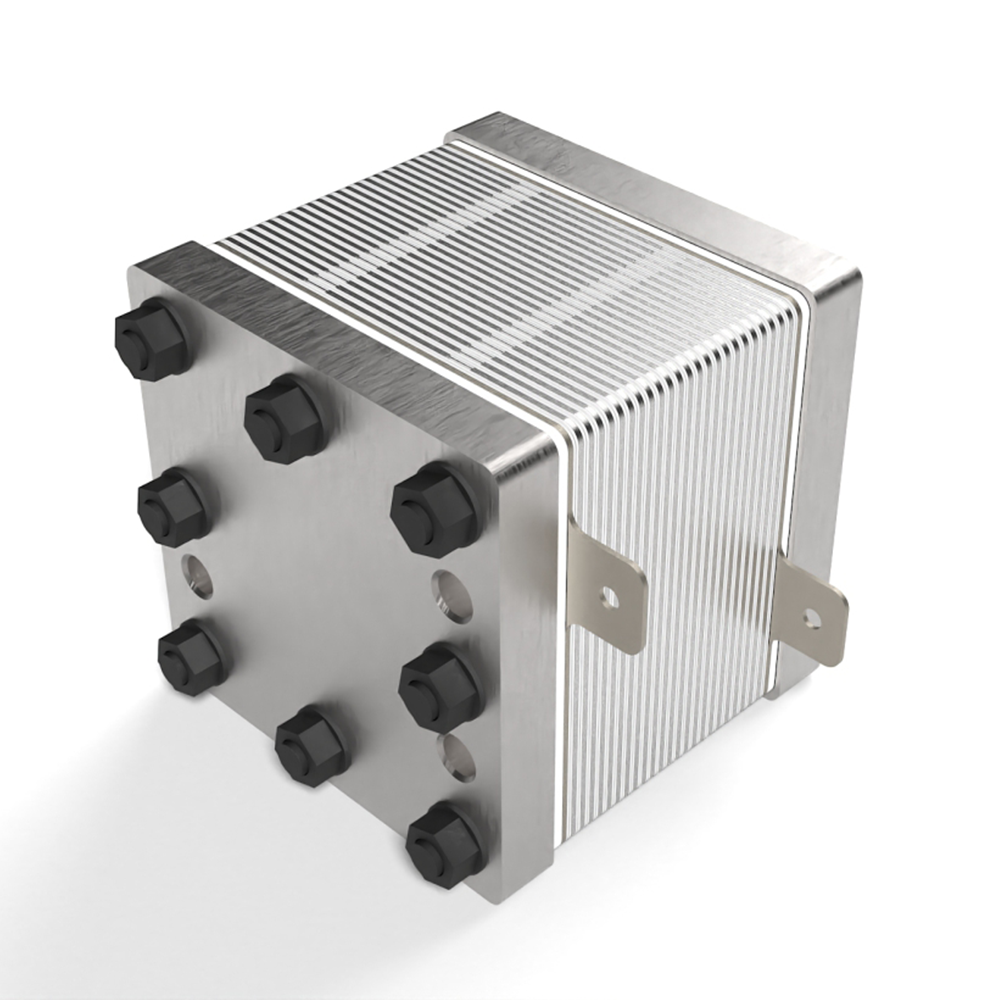
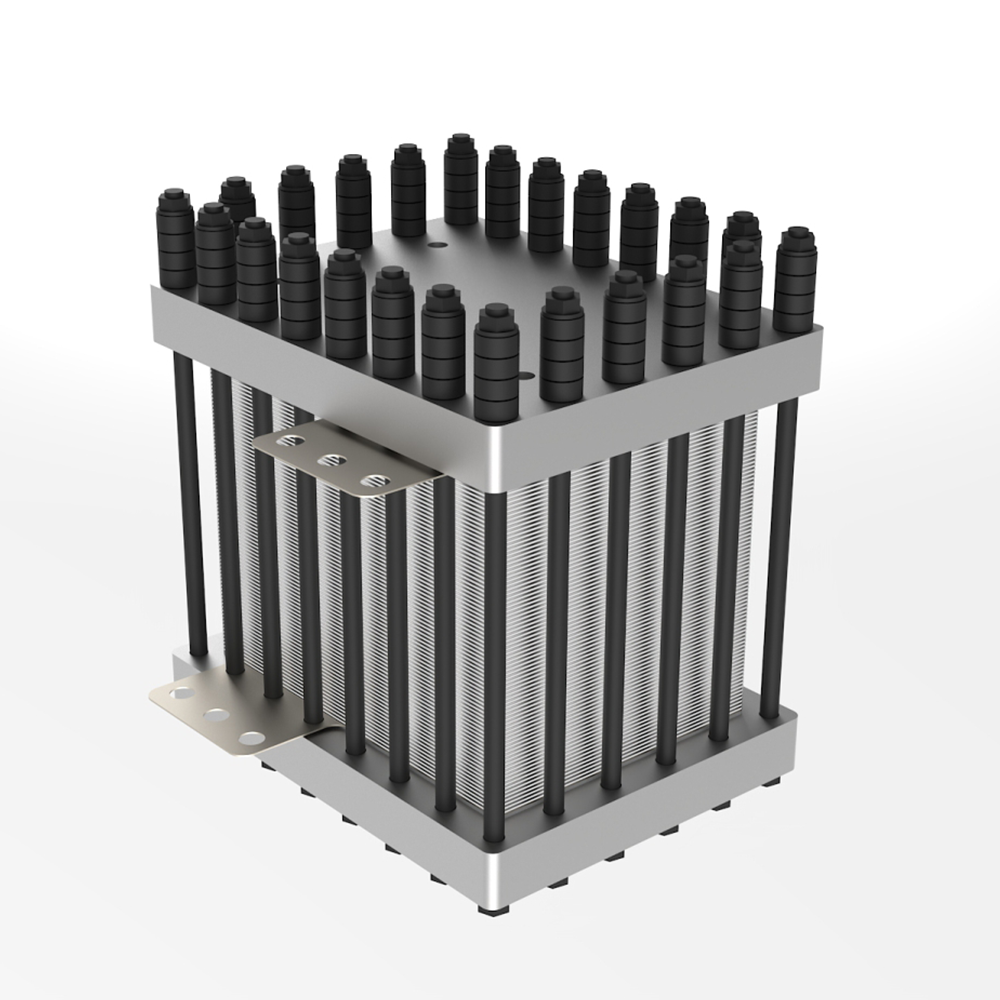
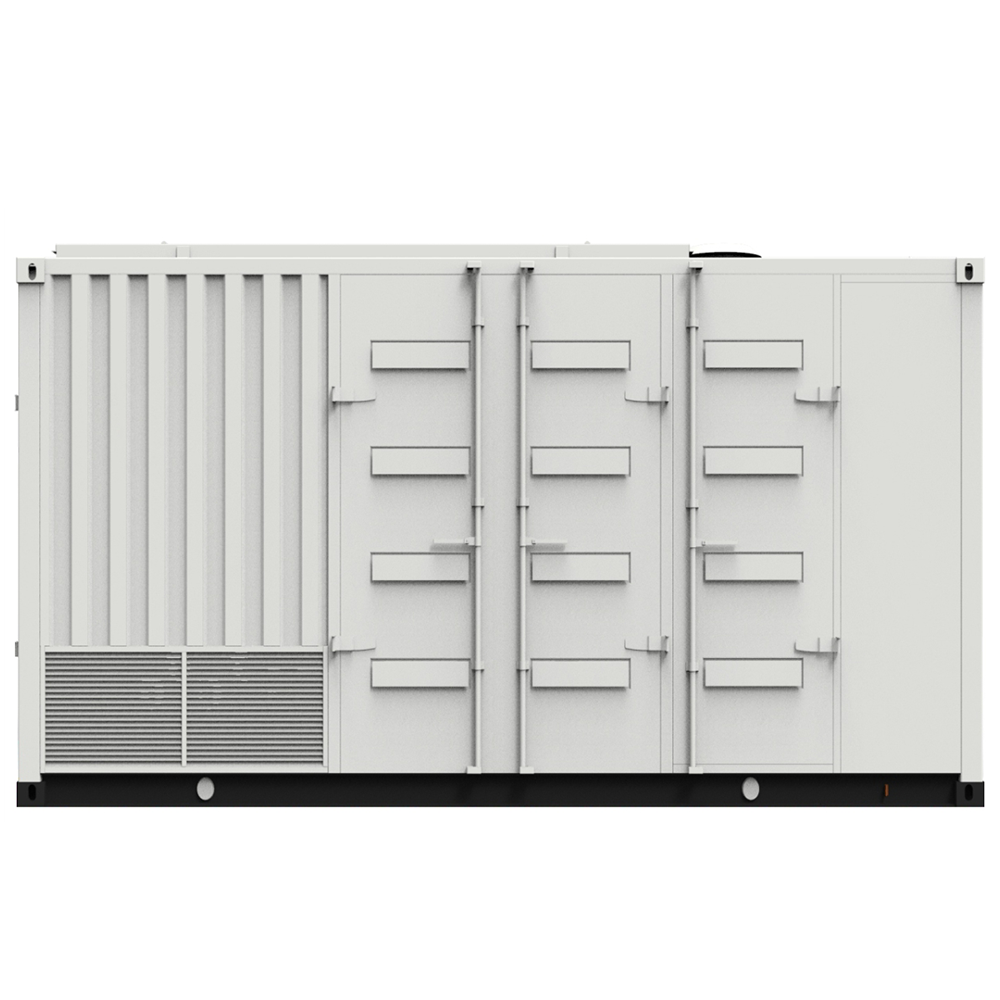
Hydrogen energy is a core focus. As a clean, efficient secondary energy, it's produced via electrolysis and other methods, used in power generation, heating, transport, and industry, driving the global energy transition to cleanliness.
Get A Quote

Why choose us?

Self-sufficient home energy systems

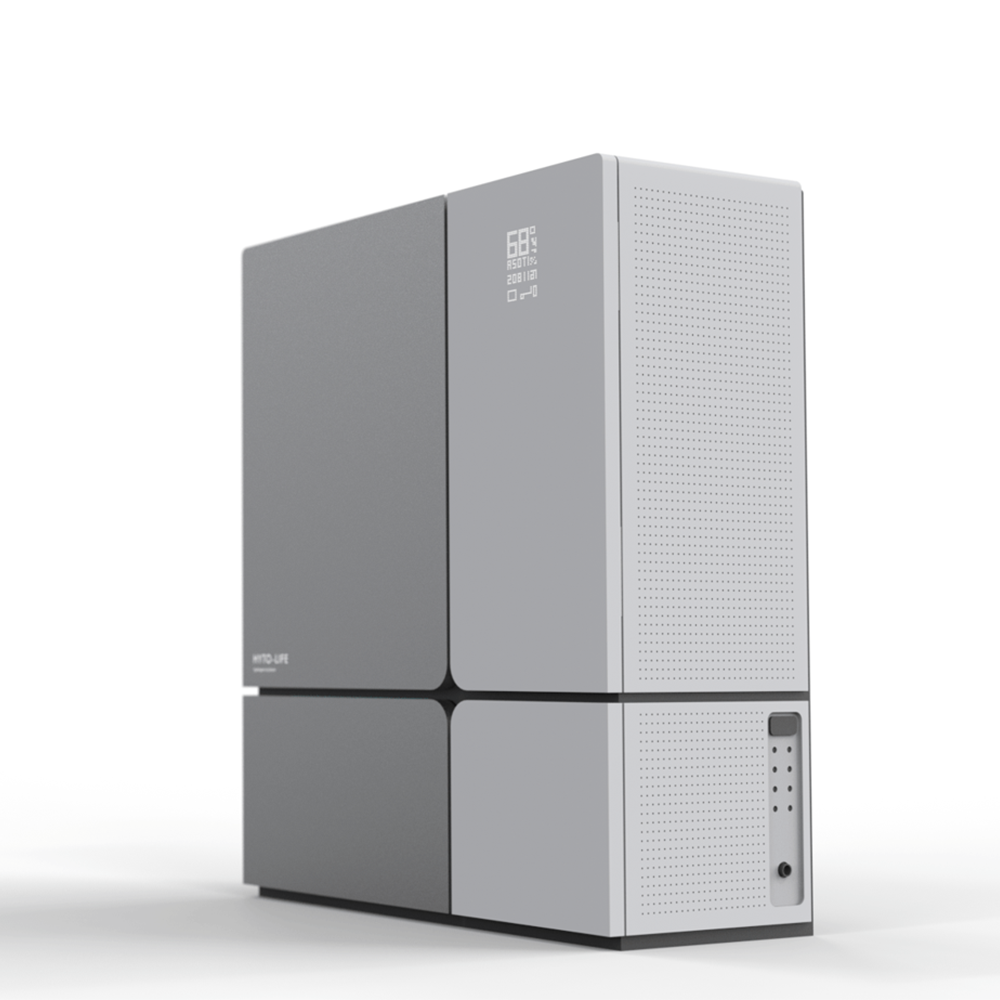
Systems like Picea integrate electrolyzer, hydrogen storage, and fuel cell, using solar to produce/store hydrogen, ensuring home electricity/heating self-sufficiency.

Safe and convenient Lavo-inspired home storage

Our home metal hydride storage (inspired by Lavo) pairs with solar, converting excess electricity to hydrogen safely, with easy installation and maintenance.

Efficient integrated energy systems

HPS-integrated systems (e.g., Picea 2) combine hydrogen production, storage, and power generation, with heat recovery to boost overall energy efficiency.

Related products

Hydrogen and energy are intrinsically linked as hydrogen acts as a versatile carrier, bridging energy production, storage, and use—all areas where Hyto Energy delivers innovative solutions. Hydrogen captures excess energy from renewables (solar, wind) via electrolysis, converting it into a storable form that can be transported and used on-demand. This addresses renewables’ intermittency, enabling higher integration into grids. When energy is needed, hydrogen is converted back to electricity/heat via fuel cells, powering transportation, industry, and homes with zero emissions. Hyto’s focus on green hydrogen—produced using renewable energy—ensures this cycle is carbon-neutral. Beyond storage, hydrogen replaces fossil fuels in energy-intensive processes (steel, chemicals), reducing sectoral emissions. By connecting diverse energy sources and end-uses, hydrogen, as advanced by Hyto, enhances energy security, flexibility, and sustainability, making it a key enabler of global energy transitions.
Frequently Asked Questions

How much renewable energy is needed to produce a kg of green hydrogen with your systems?

The amount varies by electrolyzer efficiency: our PEM electrolyzers, with over 80% efficiency, require approximately 4.5-5.5 kWh of renewable electricity per kg of hydrogen, making them energy-efficient producers of green hydrogen.
We understand the investment in hydrogen systems, so we work with financial partners to offer flexible financing options. These may include leases, loans, or power purchase agreements, making our systems more accessible to clients.
Our electrolyzers and fuel cells operate at low noise levels. This makes them suitable for residential areas, offices, and other noise-sensitive environments, ensuring minimal disruption to daily activities.
By enabling on-site hydrogen production from renewable sources, our systems reduce reliance on imported fossil fuels and centralized power grids. This enhances energy security, as communities and industries can generate their own clean energy.

Related Articles

Fuel Cell Technology: From Working Principles to Wide-Range Applications

28

Jun

Fuel Cell Technology: From Working Principles to Wide-Range Applications

How Fuel Cell Technology Works: Core Principles and Mechanisms The Electrochemical Reaction Behind Energy Generation Fuel cells generate energy through a remarkable electrochemical reaction, where hydrogen and oxygen interact to produce electricity,...
View More
Enapter PEM Electrolyzer: Compact Design for Residential and Commercial Green Hydrogen Production

25

Sep

Enapter PEM Electrolyzer: Compact Design for Residential and Commercial Green Hydrogen Production

Understanding PEM Electrolysis Technology for Green HydrogenHow PEM Electrolyzers Split Water into Hydrogen and OxygenThe fundamental process of PEM electrolysis involves the decomposition of water molecules into hydrogen and oxygen through the use o...
View More
Plug Power PEMFC: Leading Solutions for Forklift and Stationary Power Applications

25

Sep

Plug Power PEMFC: Leading Solutions for Forklift and Stationary Power Applications

Core Principles of Proton Exchange Membrane Fuel Cells Proton Exchange Membrane Fuel Cells (PEMFCs) are pioneering technologies transforming chemical energy into electrical energy through a clean electrochemical process. The process involves a fundam...
View More
HPS Picea System: Integrated Home Energy Solution Combining Electrolysis, Storage and Fuel Cell

13

Aug

HPS Picea System: Integrated Home Energy Solution Combining Electrolysis, Storage and Fuel Cell

Understanding Integrated Home Energy Solutions The Role of Renewable Energy in Modern Households Renewable energy has become a crucial element in the quest to reduce our carbon footprints and create sustainable households. Sources such as solar a...
View More

Customer Reviews

Farmer John Wilson

Hyto’s hydrogen energy powers our tractors, heats our barns, and runs our processing equipment. It’s versatile—one energy source for all needs. Produced from our solar panels, so it’s cheap and clean. Game-changing for agriculture.

Homeowner Amanda Evans

Hydrogen energy from Hyto simplified our home—no more juggling solar, batteries, and grid. It’s one system: make, store, use. Powers everything, heats our home, and we understand it. Clean energy doesn’t have to be complicated.

Get a Free Quote

Our representative will contact you soon.
0/1000
Hydrogen Energy: Versatile, Clean Secondary Energy for Multiple Sectors

Hydrogen Energy: Versatile, Clean Secondary Energy for Multiple Sectors

Hydrogen energy is a clean, efficient secondary energy source produced via electrolysis or reforming. It is used in power generation, heating, transportation, and industry, serving as a key carrier in the global transition to low-carbon energy systems.