
 EN
EN

Metal Hydride Hydrogen Storage: Benefits and Technical Considerations
For stationary hydrogen projects, the practical question is not simply how much hydrogen can be stored. It is whether the storage method fits the available footprint, the operating temperature, the duty cycle, and the safety philosophy of the site. Hydride hydrogen storage uses selected metals or alloys that reversibly absorb hydrogen into a solid material and release it when temperature and pressure conditions move in the required direction. This makes metal hydride systems an important branch of solid-state hydrogen storage for B2B teams evaluating distributed energy, backup power, laboratory, or microgrid applications.
Unlike a vessel that stores only compressed gas, a metal hydride bed stores hydrogen through a material reaction. That difference creates several useful advantages, but it also makes thermal design and material selection central engineering tasks. This article explains how hydride hydrogen storage works, where it can fit, and what project teams should verify before choosing a system.
How Hydride Hydrogen Storage Works
A reversible metal hydride is formed when hydrogen molecules reach an alloy surface, split into atoms, and move into spaces within the material structure. During charging, the bed absorbs hydrogen and releases heat. During discharge, the reaction runs in the opposite direction: hydrogen leaves the material and the bed needs heat to maintain a useful release rate.
That thermal relationship is not a side issue. Temperature and pressure together determine the equilibrium condition for a given alloy. If the bed cannot reject heat while charging, absorption slows. If it cannot receive enough heat while discharging, delivered flow can fall even when hydrogen remains in the material. This is why hydride hydrogen should be evaluated as a system concept rather than a standalone material selection.
Key Benefits of Metal Hydride Storage
Compact storage volume at the point of use
Metal hydrides can provide high volumetric hydrogen density because hydrogen is held within a solid host rather than only as free gas. For installations constrained by room layout, transport packaging, or a protected equipment enclosure, this can be a meaningful advantage. It does not automatically mean the complete system is lighter; the alloy, heat-transfer hardware, containment, and controls all contribute to installed mass.
Low-pressure operating potential
Many metal hydride designs operate at lower pressures than high-pressure compressed-gas storage, although the actual range depends on the selected material and operating temperature. Lower pressure can simplify certain site-level safety decisions and may be attractive where a compact, controlled storage module is preferred. It should not replace ventilation, gas detection, pressure relief, or applicable hydrogen safety engineering.
Reversible, controllable delivery
With appropriate thermal control, a hydride hydrogen bed can be charged and discharged repeatedly. The release profile is tied to the material’s equilibrium behaviour and the available heat, which can help teams design a measured supply interface for a fuel cell or other downstream load. In some stationary configurations, low-temperature waste heat may be useful for supporting discharge, but this must be verified against the chosen alloy and real duty cycle.
Solid-state containment
Because hydrogen is held in a solid material during normal storage, metal hydrides offer a different risk profile from a comparable high-pressure gas inventory. The engineering benefit comes from the combined system: a suitable alloy, robust vessel design, thermal management, instrumentation, and operating procedures. It is more accurate to describe the approach as potentially safer in a well-designed application than to claim that any hydride unit is inherently risk-free.
Technical Trade-Offs That Shape Project Feasibility
Gravimetric capacity versus installed weight
The same chemistry that supports compact volume can introduce a weight penalty. An alloy bed may be appropriate for a fixed installation, yet be less attractive where payload mass is critical. Procurement teams should compare usable hydrogen, total module mass, service access, and the energy needed for heating or cooling—not only a headline storage figure.
Heat management is a core subsystem
Charging generates heat, while discharge needs heat. A viable hydride hydrogen design therefore needs a credible thermal path: heat exchangers, coolant or air interfaces, sensors, controls, and a response plan for variable ambient conditions. A useful early question is whether the application has recoverable heat at the right temperature during discharge and a reliable heat-rejection route during charging.
Kinetics and response time
Materials differ in how quickly they absorb and release hydrogen. Bed geometry, particle condition, thermal conductivity, cycling history, and contamination control can affect practical response. If a load has rapid peaks, engineers should model flow demand and transient thermal behaviour rather than assuming that stored hydrogen will immediately be available at the desired rate.
Material durability and gas quality
Hydrogen purity, impurities, repeated cycling, and operating excursions can influence long-term material performance. The supplier discussion should cover allowable gas specifications, expected maintenance checks, monitoring points, and how the system handles deviations. These details matter as much as nominal capacity when the storage asset is expected to support long-duration operation.
A Practical Evaluation Checklist
| Evaluation area | Questions for the project team |
|---|---|
| Duty cycle | How much hydrogen is required per cycle, and how quickly must it be delivered? |
| Thermal integration | Where will charging heat go, and what heat source will support discharge? |
| Site constraints | Are volume, mass, pressure class, ventilation, and maintenance access compatible with the installation? |
| Hydrogen quality | What inlet specification is required, and how will contamination be prevented or detected? |
| Lifecycle planning | What cycling profile, inspection plan, and replacement strategy are realistic for the application? |
Answering these questions early helps avoid a common mistake: comparing storage approaches by one metric while leaving heat integration and operating conditions unresolved. For an awareness-stage project, the goal is to establish whether solid-state storage deserves a feasibility study—not to force a one-size-fits-all material decision.
Hydride Hydrogen Questions for Early Engineering Reviews
Use the following prompts as a scoping aid. Each hydride hydrogen question should be answered with project data, not assumptions.
- Can the hydride hydrogen module meet the planned daily delivery profile?
- What charging heat must the hydride hydrogen bed reject at peak input?
- What discharge heat will the hydride hydrogen bed receive in winter conditions?
- Which hydride hydrogen equilibrium range matches the downstream pressure requirement?
- How will hydride hydrogen flow be measured and controlled during transients?
- Does the hydride hydrogen enclosure have adequate maintenance clearance?
- What hydrogen-purity limit protects hydride hydrogen material performance?
- How will the hydride hydrogen system respond to a loss of cooling?
- How will the hydride hydrogen system respond to a loss of heat input?
- Which sensors verify hydride hydrogen bed temperature and pressure?
- Does the hydride hydrogen design include appropriate relief and detection measures?
- What cycling data supports the selected hydride hydrogen operating window?
- Can the hydride hydrogen module be isolated safely for inspection?
- What controls prevent hydride hydrogen charging outside the intended thermal range?
- What controls prevent hydride hydrogen discharge below a useful pressure level?
- How does hydride hydrogen storage affect the site energy balance?
- Will hydride hydrogen mass be acceptable for the installation structure?
- Can hydride hydrogen heat exchangers be serviced without disturbing the vessel?
- Which commissioning tests validate hydride hydrogen response under load?
- How will hydride hydrogen operating records be reviewed over time?
- Are hydride hydrogen replacement and end-of-life procedures defined?
- Does the hydride hydrogen plan align with local codes and the project hazard review?
- What interfaces connect the hydride hydrogen module to the hydrogen source?
- What interfaces connect the hydride hydrogen module to the final load?
- Can hydride hydrogen thermal integration use verified waste heat rather than assumed heat?
- What ambient range will the hydride hydrogen installation experience?
- How is hydride hydrogen performance verified after extended standby periods?
- What acceptance criteria define a successful hydride hydrogen system handover?
- Who owns hydride hydrogen operating training and planned maintenance?
- When these answers are documented, hydride hydrogen feasibility can move from concept to disciplined engineering review.
Where a Medium Hydrogen Storage Unit May Fit
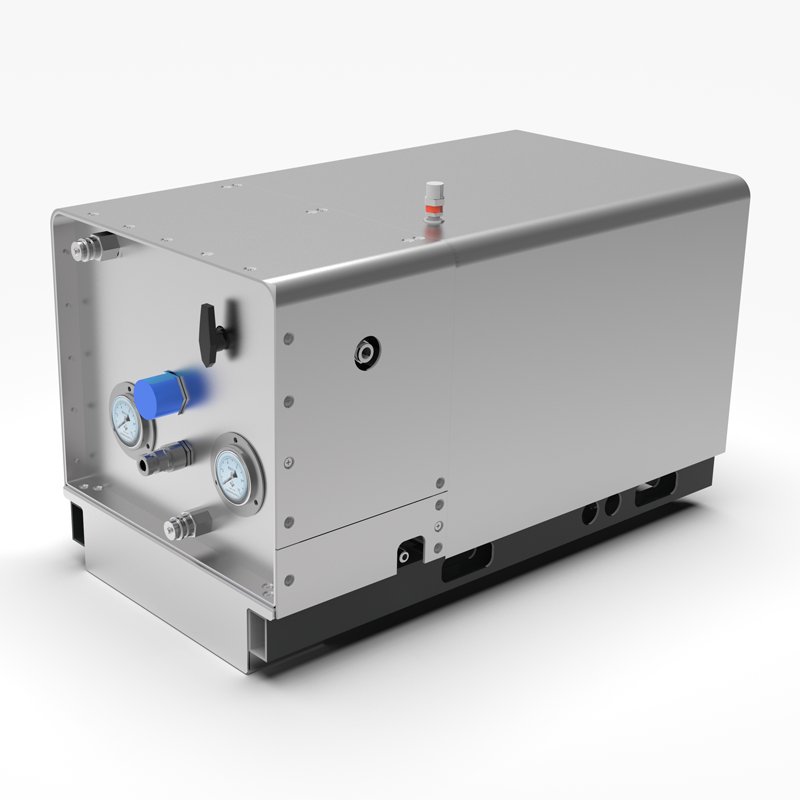
A packaged unit can be useful when a project needs a defined storage module as part of a broader hydrogen-energy system. The available Medium hydrogen storage unit can be reviewed alongside the site’s hydrogen source, downstream load, thermal interfaces, control requirements, and local compliance plan. The product page should be treated as a starting point for technical discussion; final suitability depends on verified operating data and project-specific integration.
Conclusion: Match the Hydride to the System
Metal hydride storage offers a compelling route to hydride hydrogen containment where compact volume, controlled delivery, and solid-state storage characteristics align with the application. Its main technical consideration is equally clear: performance depends on material thermodynamics and disciplined thermal integration. B2B decision makers can move forward with confidence by defining the duty cycle, verifying heat flows, checking hydrogen quality requirements, and evaluating the complete storage module rather than the alloy in isolation.