
 EN
EN
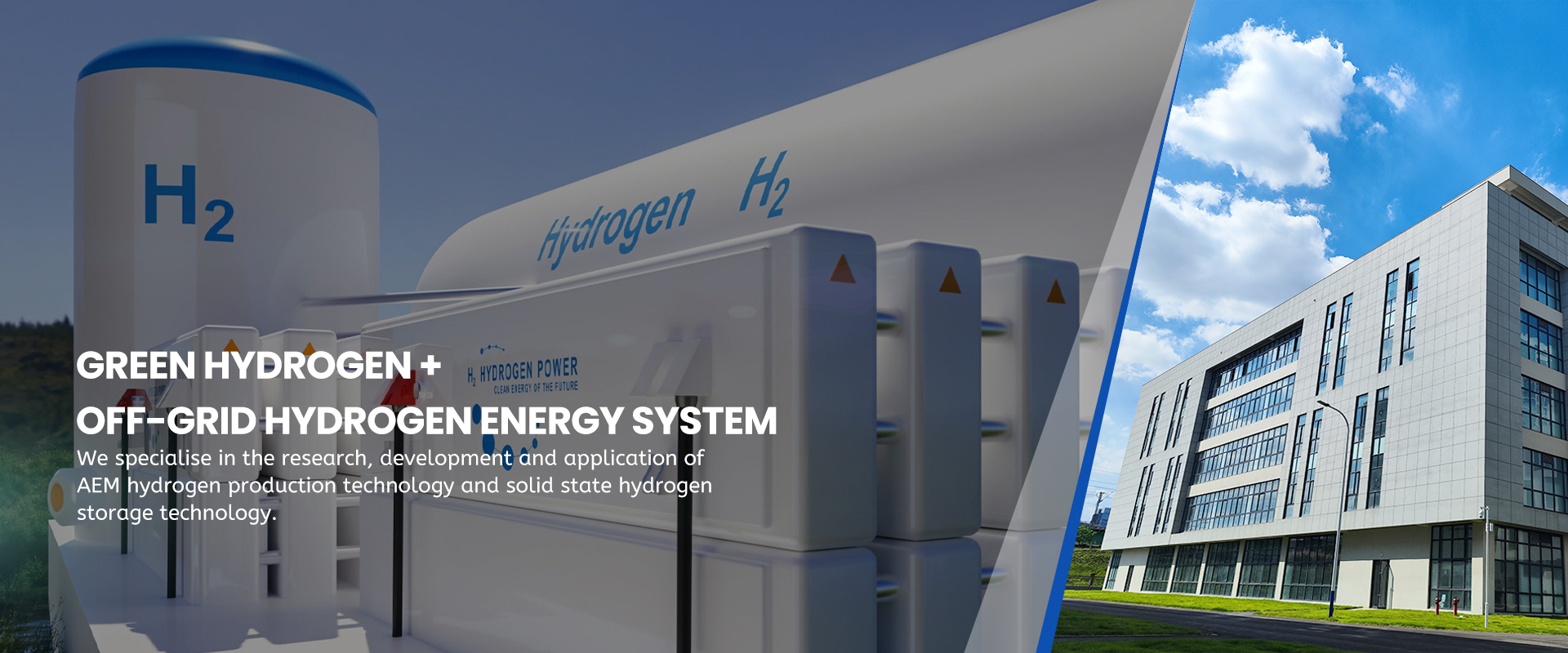
Why Hydrogen Energy Storage Is Critical for Grid Stability
The Renewable Intermittency Challenge: Curtailed Generation and Grid Imbalance
The problem with wind and solar power is that they just don't behave consistently because of all those unpredictable weather changes, which leads to some pretty serious issues for the electrical grid. When there's too much sun or wind, we end up wasting a lot of that extra renewable electricity since nobody can actually use it all at once. And then when conditions turn bad and output drops off, grid managers suddenly find themselves scrambling to cover the shortfall. This whole situation makes companies reach for fossil fuels as backup options, which really gets in the way of trying to cut down carbon emissions. Storage technology remains essential if we want to fix this gap problem, but hydrogen energy systems alone won't do the trick without proper storage infrastructure. Take California for instance - last year alone, over 15% of generated renewable energy had to be thrown away according to CAISO reports. That kind of waste clearly shows why we desperately need better large-scale energy storage solutions that can work over extended periods.
Hydrogen Energy as a Scalable, Long-Duration Storage Solution
Hydrogen helps solve one of the biggest problems facing renewable energy sources these days – their tendency to be unreliable when the wind stops blowing or sun goes behind clouds. Compared to lithium ion batteries that work well for just a few hours at most, hydrogen has something special going for it: way better energy storage capacity. We're talking about around 120 megajoules per kilogram compared to only 0.4 from regular batteries. This means hydrogen can store energy not just overnight but potentially across entire seasons too. When there's extra power coming from solar panels or wind turbines, this surplus gets fed into electrolysis machines which split water molecules to create green hydrogen. The stuff then gets put away safely in underground salt caverns or old oil reservoirs until needed again. Later on, when electricity demand spikes, we simply convert the stored hydrogen back into power using fuel cell technology. Studies indicate this approach could cut down wasted renewable energy by somewhere between 8% and 13%. As grids become smarter and cleaner, such solutions look increasingly important for making sure everyone has access to consistent, environmentally friendly power no matter what time of day or season it happens to be.
Green Hydrogen Production: Powering Storage with Wind and Solar
Electrolyzer Advancements and Falling Levelized Cost of Hydrogen (LCOH)
Recent advances in how efficient electrolyzers work are really pushing green hydrogen into the mainstream. Today's PEM and alkaline systems hit around 80% efficiency mark, which cuts down on how much extra power they need to run. When we look at bigger scale manufacturing plus cheaper renewable electricity prices, it all adds up to about 30% lower costs for producing hydrogen compared to just four years ago. The numbers tell the story too: global production hit 1.2 million tons last year, jumping from only 800k tons back in 2022. This growth shows that green hydrogen isn't just good for the environment anymore, it's starting to make financial sense as well, especially for storing excess electricity generated by wind farms and solar panels when demand isn't there.
Co-location Strategy: Integrating Electrolysis Directly with Renewables
Putting electrolyzers right next to solar farms or wind parks cuts down on those pesky transmission losses and stops wasted energy from being curtailed. Instead of letting extra power go to waste, these setups convert it straight into hydrogen that can be stored for later use. Some real world tests have found that this approach gives about 15 to maybe even 20 percent better efficiency compared to systems connected to the regular grid. When we skip all those infrastructure problems, both the renewable sources and the electrolysis equipment get used more efficiently. This means better returns on investment and helps keep the local power grid stable too, since the system can respond flexibly to changing demand throughout the day.
Underground Hydrogen Storage: Geology, Capacity, and Safety
Salt Caverns vs. Porous Reservoirs: Technical Suitability and Deployment Readiness
When it comes to storing large amounts of hydrogen underground, there are basically two main geological choices: salt caverns and porous reservoirs. Each has its own pros and cons from a technical standpoint. Salt caverns are man-made structures formed within domal salt deposits. They allow fast injection and withdrawal rates that work great for balancing power grids day to day. Plus, these caverns have almost no hydrogen loss because salt naturally seals itself when damaged. The catch? These formations only exist in certain parts of the world where sedimentary basins contain enough salt. Porous reservoirs like old gas fields or aquifers can hold way more hydrogen, sometimes over a billion cubic meters worth. But they take longer to fill and empty, and engineers need to check thoroughly that the rock layers above won't let any hydrogen escape. Right now most commercial projects rely on salt cavern technology, with around 15 operational sites globally. Meanwhile, porous reservoir approaches are still mostly experimental as researchers continue studying how well different rock formations will actually work for long term storage.
| Storage Type | Cycling Speed | Capacity Scale | Geographical Availability | Deployment Status |
|---|---|---|---|---|
| Salt Caverns | Hours-days | Moderate (≈0.5 MCM) | Limited (salt basins) | Commercial (15+ sites) |
| Porous Reservoirs | Weeks-months | High (1+ BCM) | Widespread | Pilot stage |
Mitigating H₂ Embrittlement and Ensuring Long-Term Integrity
When hydrogen molecules work their way into metal well casings and surrounding rock formations, they create serious material degradation problems especially when exposed to repeated pressure changes. To tackle this issue, engineers combine several approaches. First, they use special chromium alloys that resist hydrogen damage better than standard materials. Second, keeping storage pressures under 200 bar helps minimize the problem. And third, many operations now install distributed acoustic sensors that continuously monitor structural integrity. Alongside these measures, routine geomechanical checks including core samples and detailed 3D seismic surveys are essential for spotting potential containment issues before they become disasters. While exact numbers vary depending on conditions, most industry experts agree these combined methods cut embrittlement risks down by around 70 percent or more, making long term storage feasible for decades if not centuries ahead.
Integrating Hydrogen Energy into Existing Infrastructure
Natural Gas Pipeline Blending: A Near-Term Pathway to Grid Flexibility
The existing natural gas system actually provides a pretty good short term solution for getting hydrogen into the mix. When we blend about 20% hydrogen into those gas lines, it makes use of all those already built networks to move around and store clean energy without tearing everything down right away. What happens is extra electricity from wind farms and solar panels gets turned into hydrogen when production peaks, and then these same pipelines act like giant storage tanks whenever there are gaps in supply. Sure, if we want to go beyond that 20% mark, we'll need to upgrade materials because hydrogen can make metals brittle over time. But working within these current limits still cuts carbon emissions now and helps speed up the switch to renewables across the board.
- Demand balancing: Absorbing excess renewable output
- Storage utilization: Converting pipelines into distributed reservoirs
-
Cost efficiency: Avoiding new dedicated pipeline construction
As regulatory frameworks evolve to accommodate higher blend ratios, this strategy serves as a scalable transition toward future pure-hydrogen networks.
FAQ
Why is hydrogen energy storage important for grid stability?
Hydrogen energy storage is important for grid stability because it offers a reliable and scalable solution to manage the intermittency of renewable energy sources like wind and solar.
What are the advantages of hydrogen over lithium ion batteries for energy storage?
Hydrogen offers better energy storage capacity and can store energy across seasons, unlike lithium ion batteries which are effective only for a few hours.
How does the co-location strategy improve efficiency in hydrogen production?
By placing electrolyzers directly next to renewable sources, transmission losses are minimized and efficiency is increased by 15%-20% compared to systems connected to traditional grids.
What are the differences between salt caverns and porous reservoirs for hydrogen storage?
Salt caverns offer fast cycling speed and are commercially used but are limited to certain geographic locations, while porous reservoirs have higher capacity and are still in the pilot stage.
How does natural gas pipeline blending work as a pathway to grid flexibility?
By blending hydrogen into natural gas pipelines, it utilizes existing infrastructure for energy distribution and storage, offering a cost-effective short-term solution for integrating hydrogen into the energy mix.
Table of Contents
- Why Hydrogen Energy Storage Is Critical for Grid Stability
- Green Hydrogen Production: Powering Storage with Wind and Solar
- Underground Hydrogen Storage: Geology, Capacity, and Safety
- Integrating Hydrogen Energy into Existing Infrastructure
-
FAQ
- Why is hydrogen energy storage important for grid stability?
- What are the advantages of hydrogen over lithium ion batteries for energy storage?
- How does the co-location strategy improve efficiency in hydrogen production?
- What are the differences between salt caverns and porous reservoirs for hydrogen storage?
- How does natural gas pipeline blending work as a pathway to grid flexibility?