Metal Hydride Hydrogen Storage for Safe, High-Density Energy

Metal Hydride: Our High-Density, Safe Hydrogen Storage

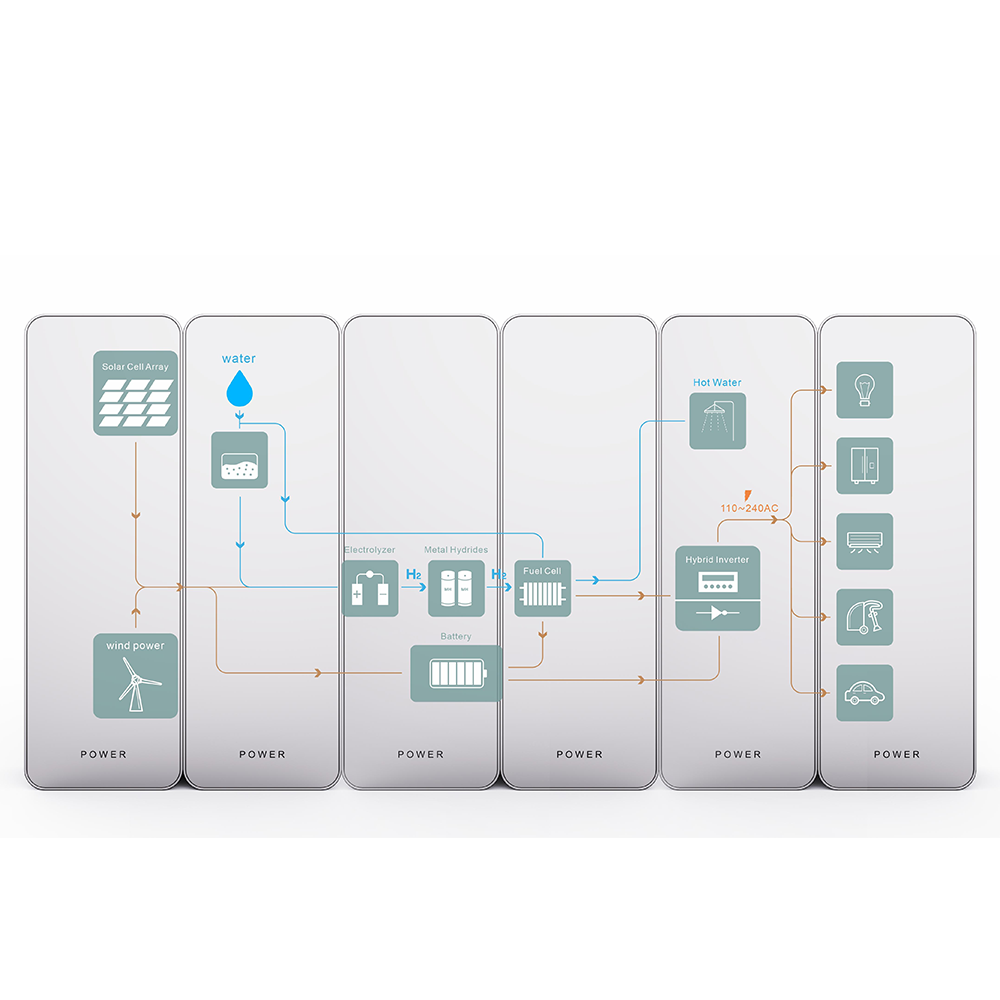
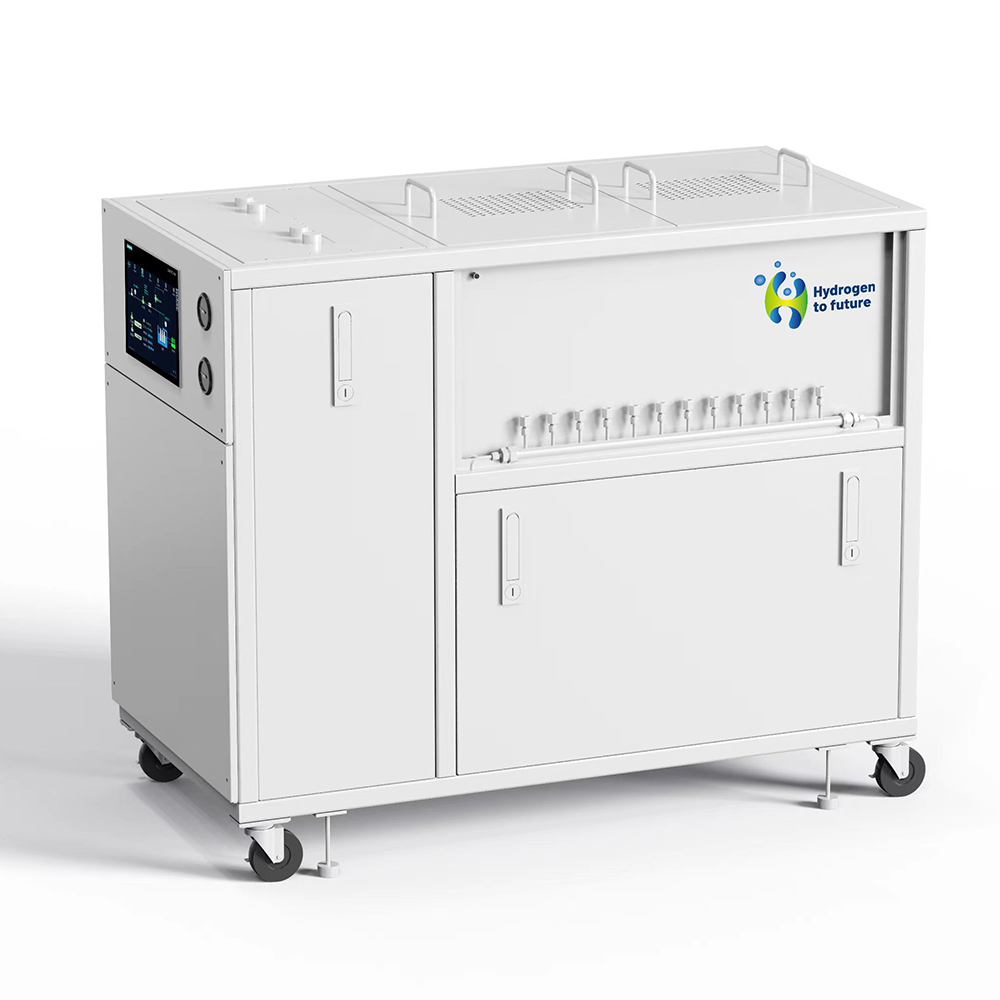
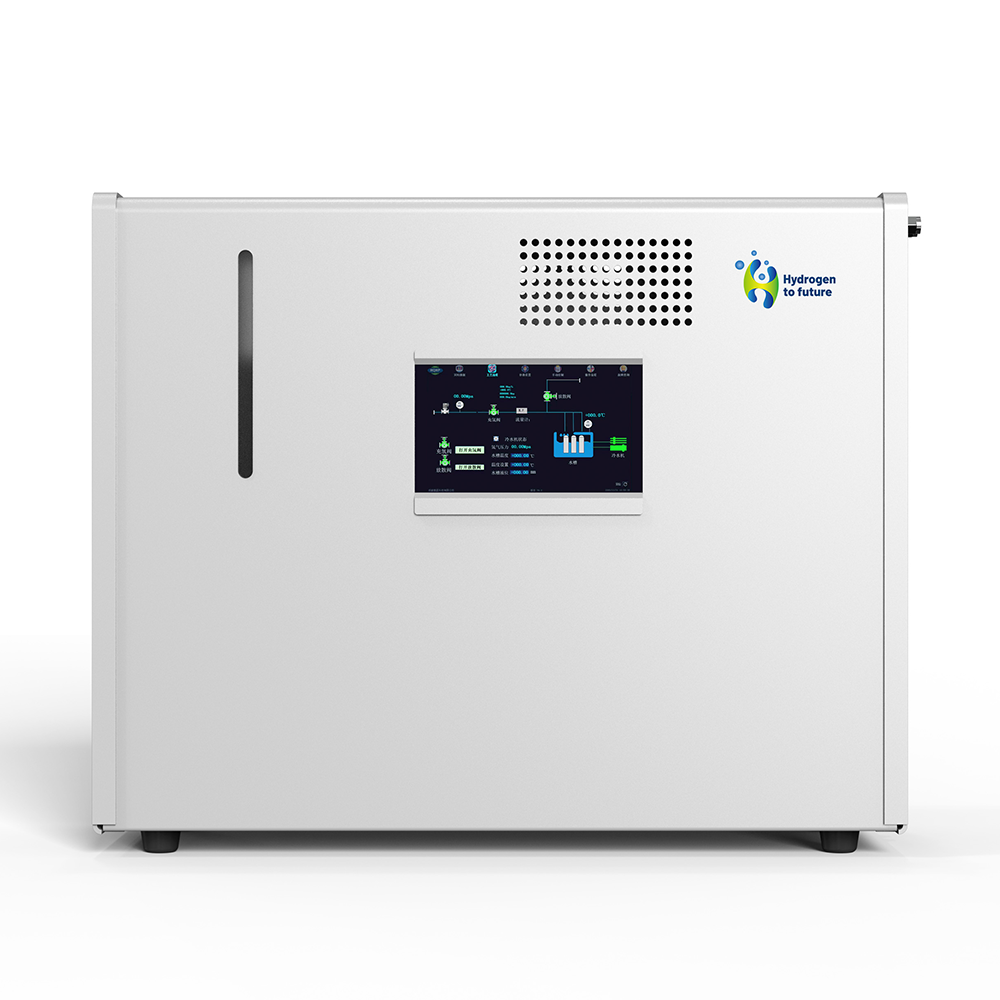
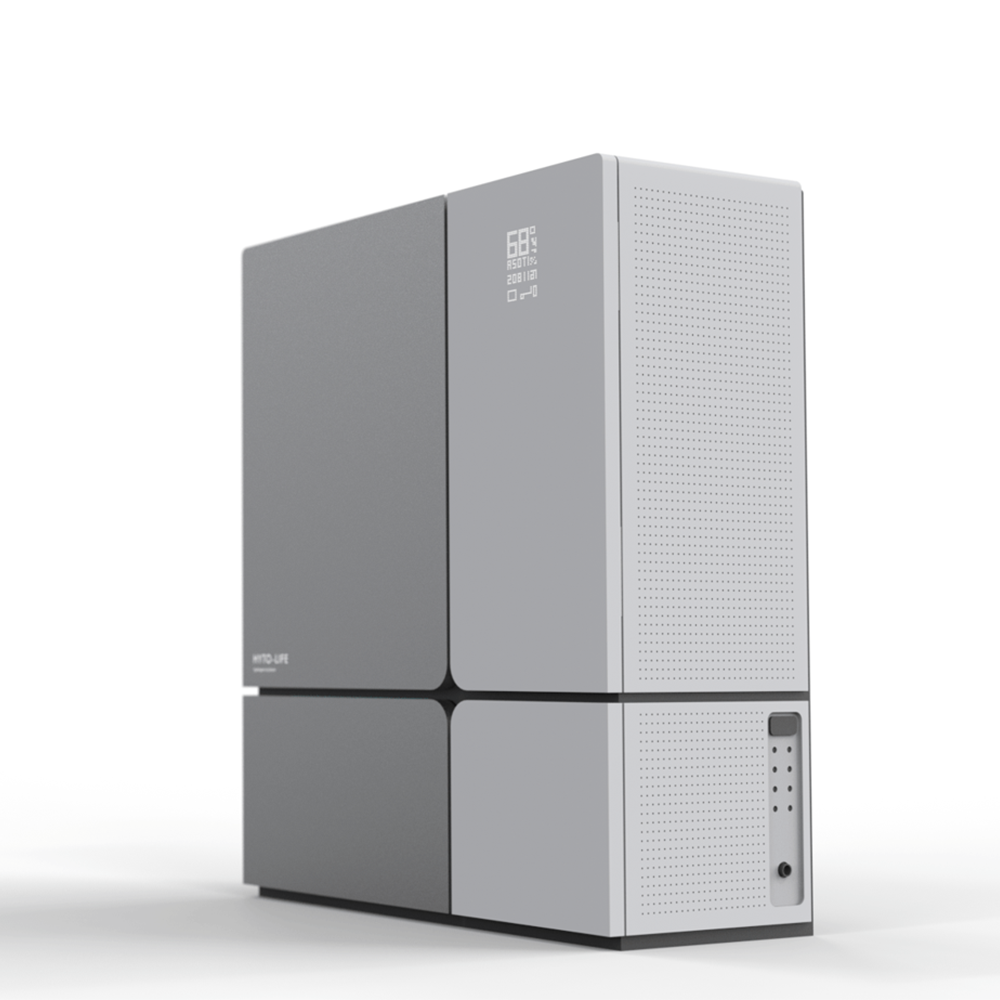
We use metal hydride storage, where metals like magnesium, titanium, and zirconium react with hydrogen to form hydrides. Hydrogen is released by heating, with high storage density and safety, suitable for small, mobile scenarios.
Get A Quote

Why choose us?

Low-noise operation for diverse settings

Our electrolyzers and fuel cells operate quietly, suitable for residential, office, and noise-sensitive industrial environments.

Accessible raw materials ensure stable supply

The raw materials for our hydrogen production, such as water (for electrolysis) and renewable energy sources like solar and wind, are widely available globally. This accessibility guarantees a stable and uninterrupted supply chain, reducing risks of production delays due to material shortages.

Support for regional energy networks

Our solutions aid regional hydrogen network development, connecting production, storage, and consumption points.

Related products

Metal hydride hydrogen storage from Hyto Energy uses chemical reactions between hydrogen and metals (magnesium, titanium, zirconium) to store hydrogen safely and efficiently. Hydrogen gas reacts with the metal alloy to form a solid hydride, trapping hydrogen within the material’s lattice. When needed, gentle heating releases pure hydrogen gas for use in fuel cells or industrial processes. This method offers high storage density, eliminates high-pressure risks, and minimizes leakage, making it ideal for homes, vehicles, and small-scale industrial use. Hyto offers a range of alloys tailored to applications: low-temperature alloys for residential systems, high-capacity alloys for vehicles, and durable alloys for industrial cycles. By prioritizing safety, efficiency, and scalability, metal hydride hydrogen storage enables practical, widespread hydrogen use.
Frequently Asked Questions

What renewable energy sources work best with your electrolyzers?

Our electrolyzers, especially PEM, work excellently with solar and wind energy. Their fast response and efficiency make them ideal for converting intermittent solar and wind power into hydrogen, effectively storing excess renewable energy.
Hydrogen energy offers longer storage duration and higher energy density than batteries, making it suitable for large-scale, long-term storage of renewable energy. It also provides versatility, as hydrogen can be used in multiple sectors beyond electricity.
We offer high-pressure gaseous hydrogen tanks with pressures of 35MPa and 70MPa. These are designed for fuel cell vehicles, providing sufficient storage capacity for extended range and efficient refueling.
Absolutely. Our fuel cells, with their reliability and zero emissions, are excellent for backup power. They can quickly start and provide continuous power during grid outages, ensuring uninterrupted operation for critical facilities.

Related Articles

Metal Hydride Hydrogen Storage: Safe and High-Density Solution for Mobile Applications

21

Jul

Metal Hydride Hydrogen Storage: Safe and High-Density Solution for Mobile Applications

Metal Hydride Hydrogen Storage Fundamentals How Metal Hydrides Bind Hydrogen Gas Safely Metal hydrides are fascinating compounds formed by the combination of metals and hydrogen, allowing hydrogen to be absorbed and released under controlled conditio...
View More
Hydrogen Tank Technologies: Comparison of High-Pressure Gaseous and Liquid Storage

20

Mar

Hydrogen Tank Technologies: Comparison of High-Pressure Gaseous and Liquid Storage

1. The Critical Role of Hydrogen Tank Technologies in the Hydrogen Industry Hydrogen storage is the core link connecting hydrogen production and utilization in the hydrogen energy industry, and tank-based storage technologies are the most widely ap...
View More
Enapter PEM Electrolyzer: Compact Design for Residential and Commercial Green Hydrogen Production

25

Sep

Enapter PEM Electrolyzer: Compact Design for Residential and Commercial Green Hydrogen Production

Understanding PEM Electrolysis Technology for Green HydrogenHow PEM Electrolyzers Split Water into Hydrogen and OxygenThe fundamental process of PEM electrolysis involves the decomposition of water molecules into hydrogen and oxygen through the use o...
View More
Plug Power PEMFC: Leading Solutions for Forklift and Stationary Power Applications

25

Sep

Plug Power PEMFC: Leading Solutions for Forklift and Stationary Power Applications

Core Principles of Proton Exchange Membrane Fuel Cells Proton Exchange Membrane Fuel Cells (PEMFCs) are pioneering technologies transforming chemical energy into electrical energy through a clean electrochemical process. The process involves a fundam...
View More

Customer Reviews

Parent Michael Taylor

Hyto’s metal hydride system stores hydrogen in our basement—no high pressure, no worries. It releases hydrogen steadily for our fuel cell, powering lights and appliances. Perfect for families concerned about safety.

RVer Thomas Garcia

Our RV uses Hyto’s metal hydride storage. It handles bumpy roads, temperature changes, and still releases hydrogen consistently. Powers our RV appliances and heating—no more propane tanks. Clean and convenient.

Get a Free Quote

Our representative will contact you soon.
0/1000
Metal Hydride: High-Density, Safe Hydrogen Storage for Small-Scale Use

Metal Hydride: High-Density, Safe Hydrogen Storage for Small-Scale Use

Metal hydride storage uses metals (magnesium, titanium, zirconium) to react with hydrogen, forming stable hydrides. It offers high storage density and safety, suitable for small-scale, mobile applications like home energy systems and vehicle-mounted storage, with hydrogen released via heating.