Hydrogen Energy Solutions for Clean Power & Industrial Use

Hydrogen Energy: Our Versatile Clean Secondary Energy

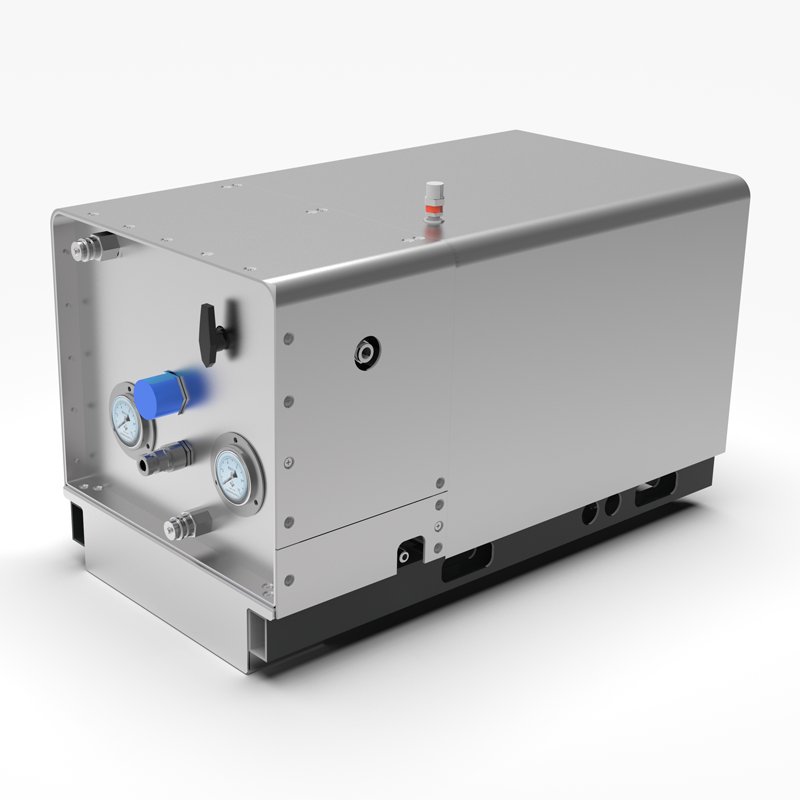
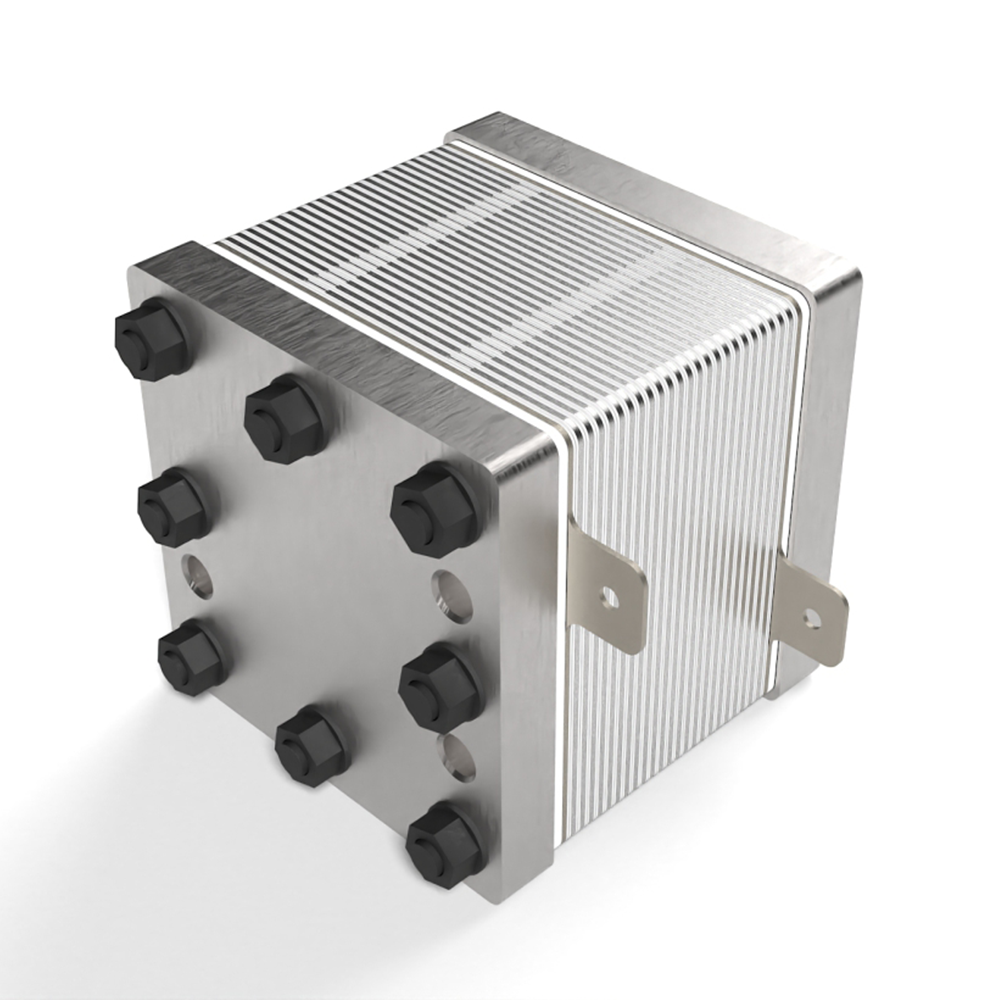
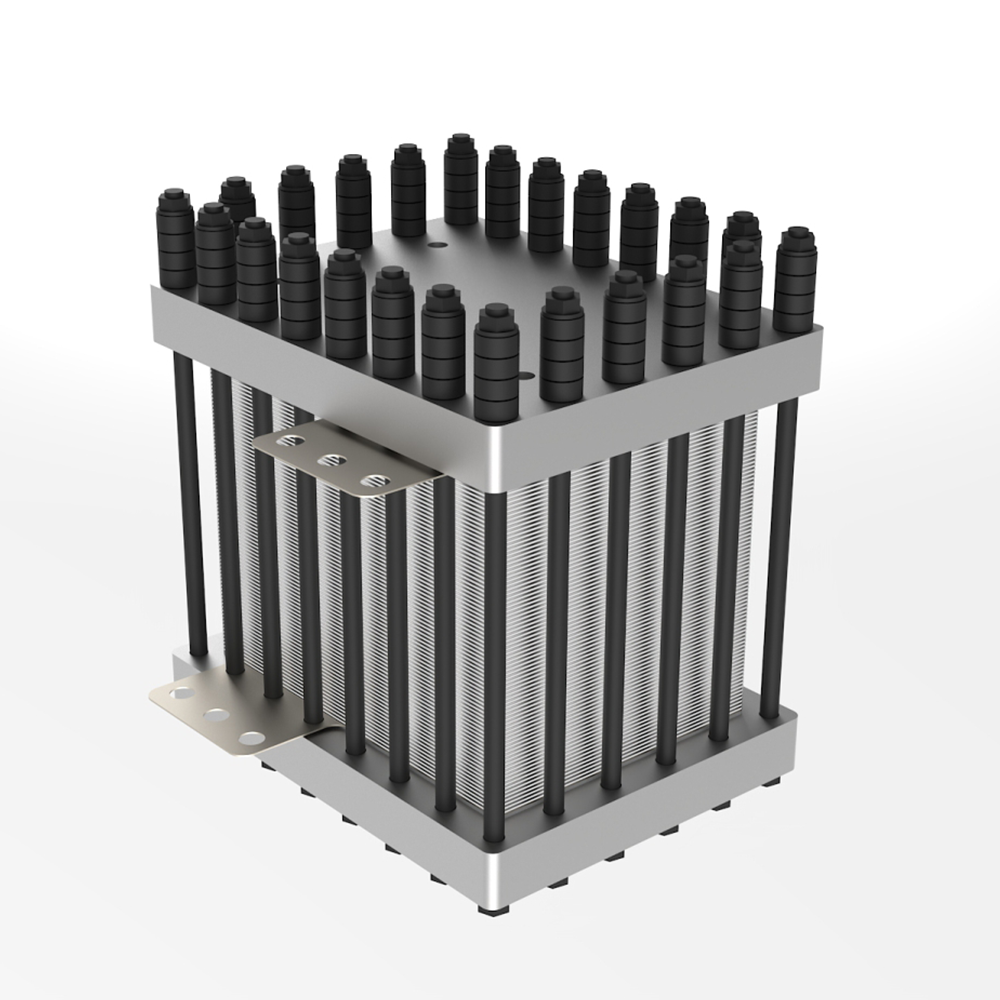
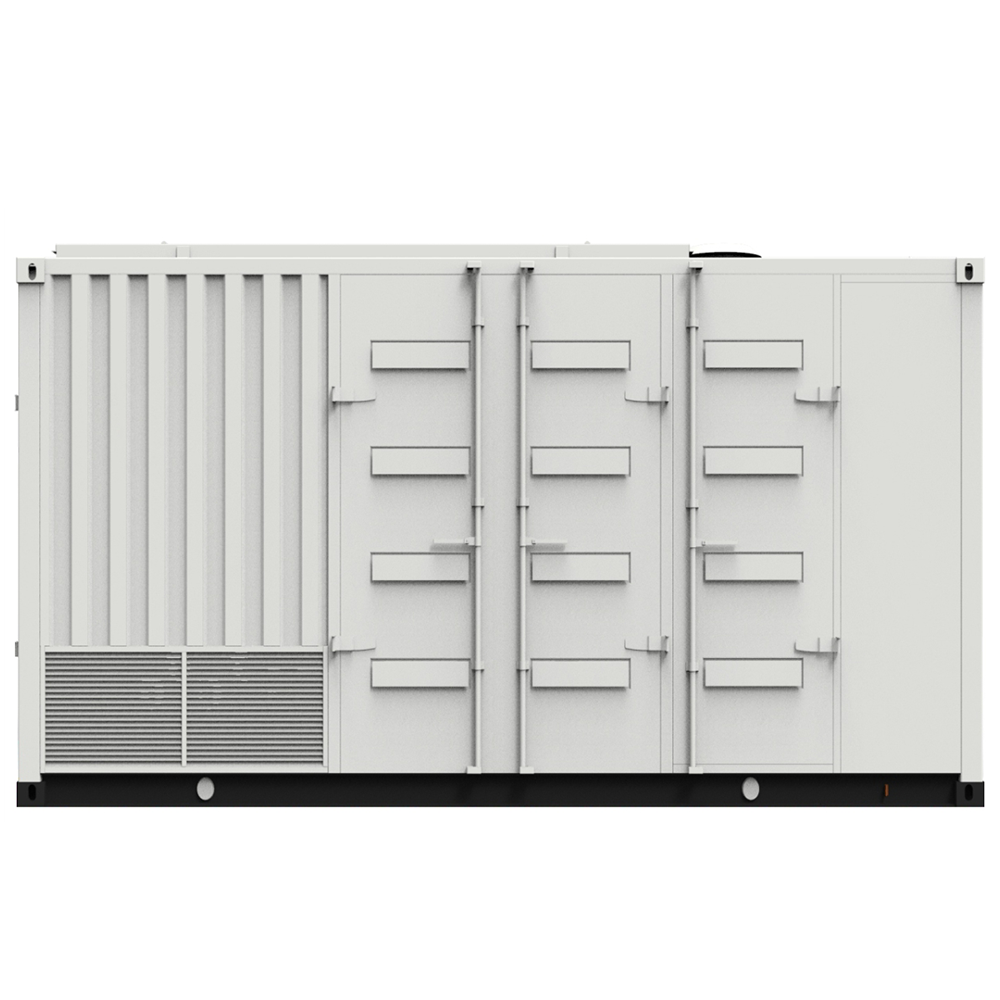
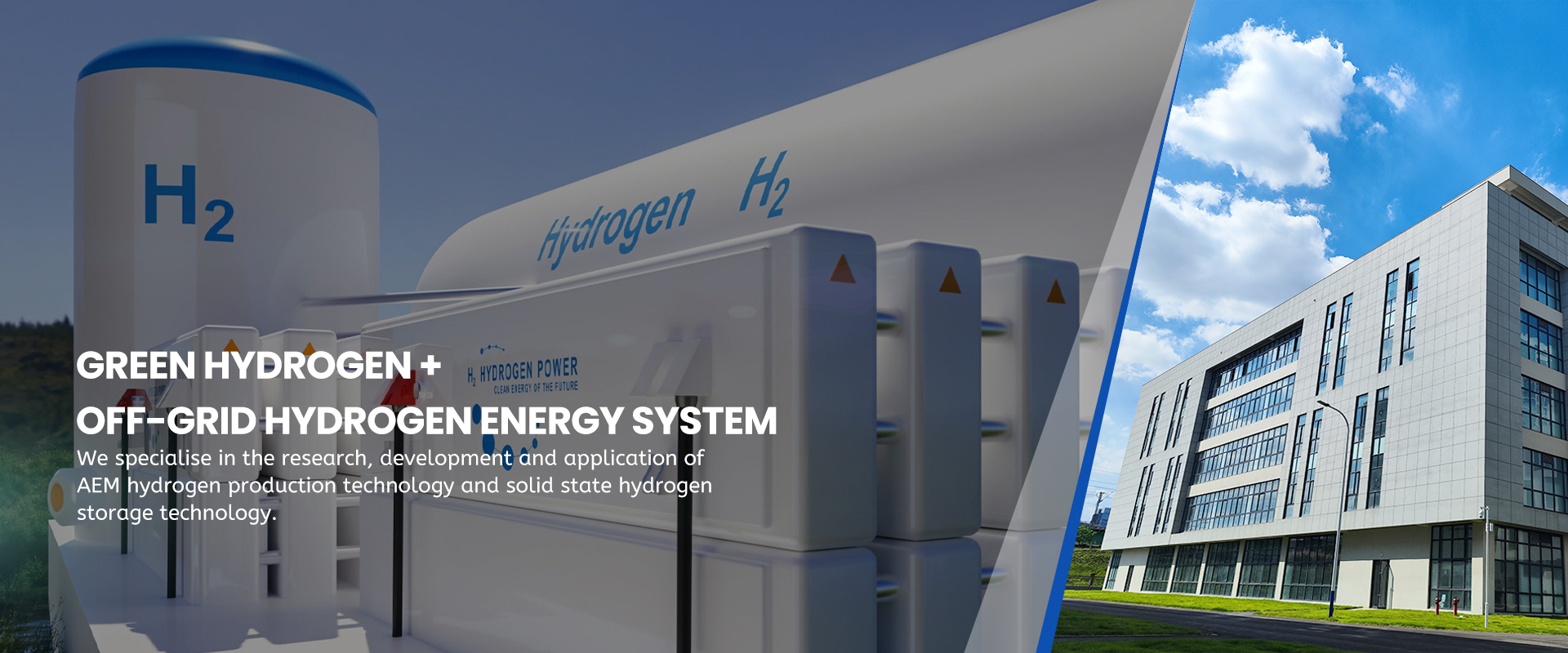
Hydrogen energy is a core focus. As a clean, efficient secondary energy, it's produced via electrolysis and other methods, used in power generation, heating, transport, and industry, driving the global energy transition to cleanliness.
Get A Quote

Why choose us?

Self-sufficient home energy systems

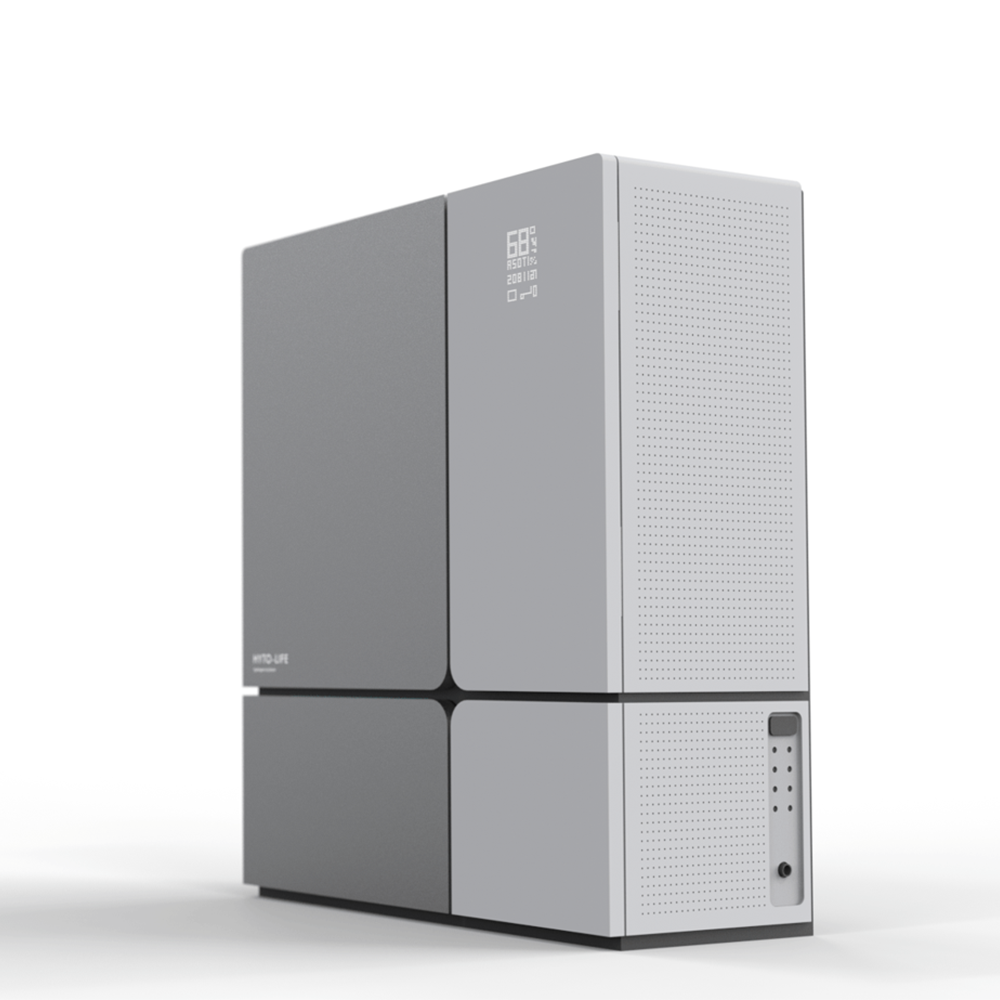
Systems like Picea integrate electrolyzer, hydrogen storage, and fuel cell, using solar to produce/store hydrogen, ensuring home electricity/heating self-sufficiency.

Modular design for flexible deployment

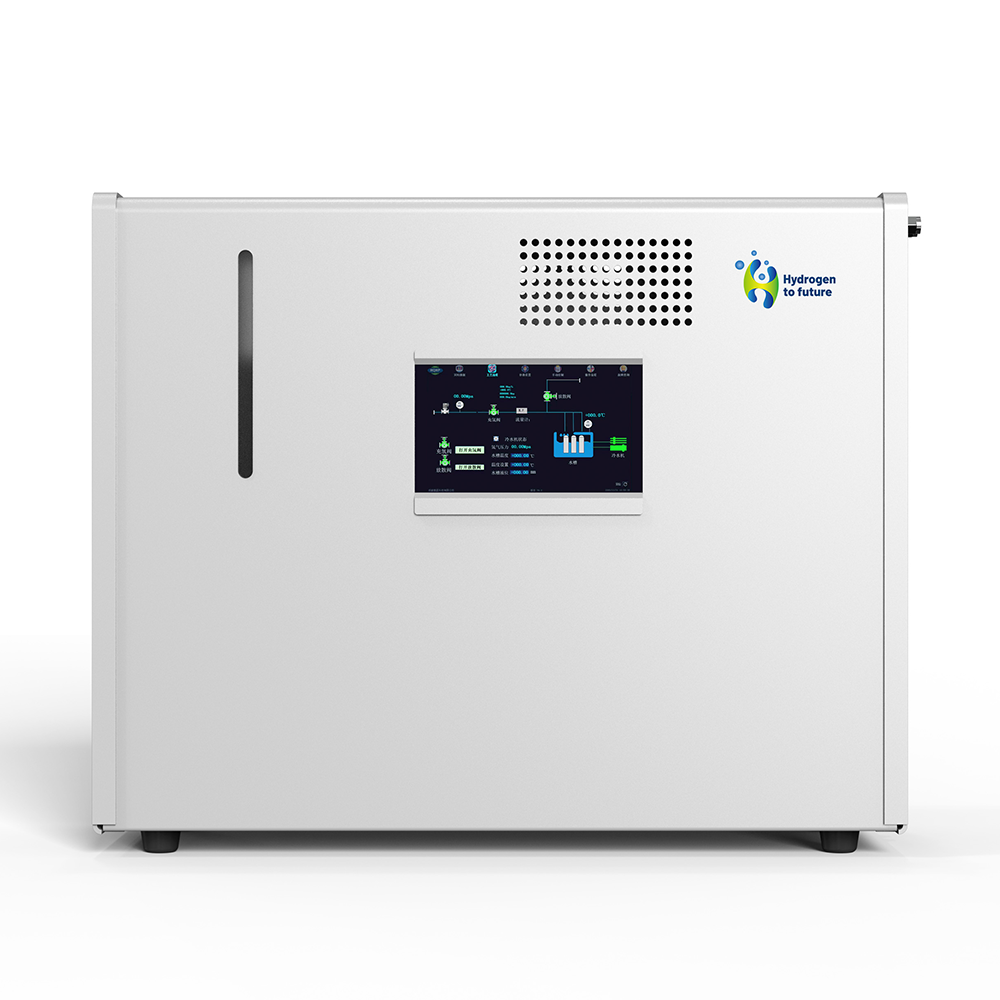
Following Enapter's model, our small, modular electrolyzers (PEM/AEM) enable flexible deployment in homes and commercial settings, with low maintenance.

Efficient integrated energy systems

HPS-integrated systems (e.g., Picea 2) combine hydrogen production, storage, and power generation, with heat recovery to boost overall energy efficiency.

Related products

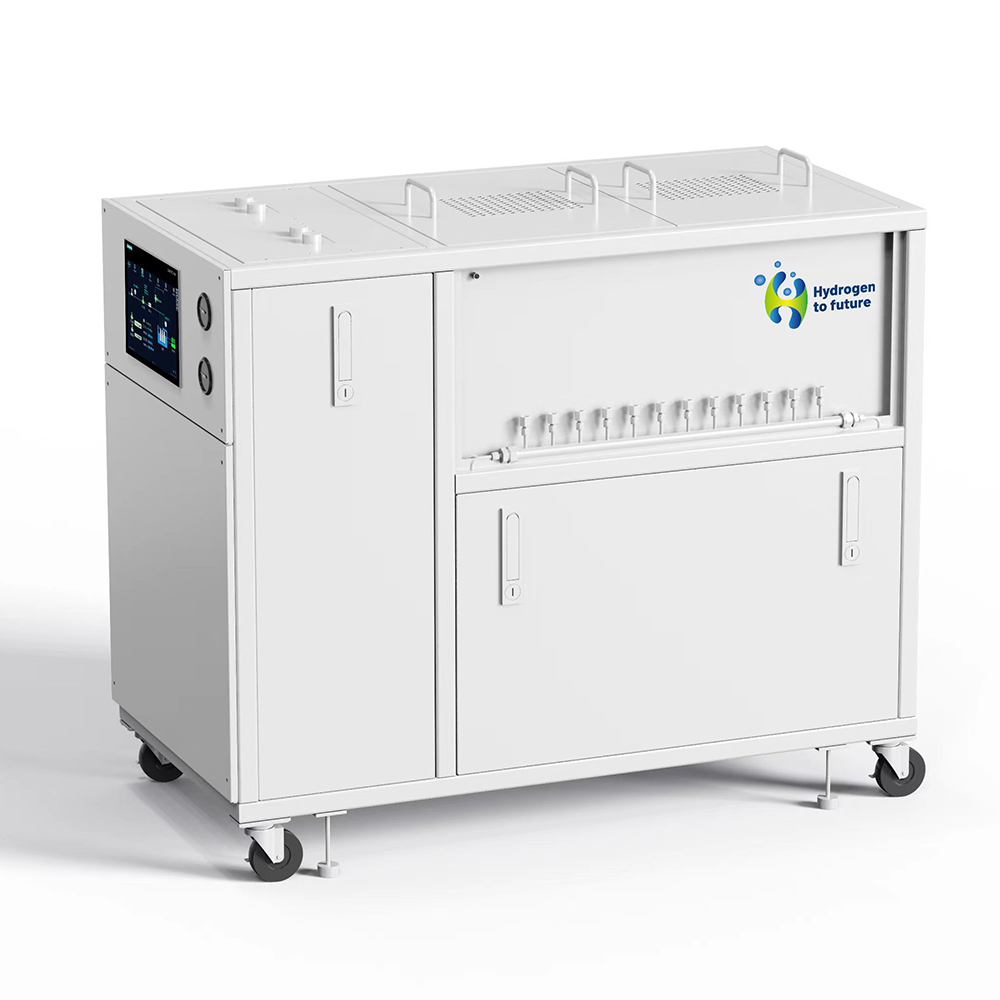
Hydrogen energy microgrids are localized energy networks that integrate hydrogen production, storage, and generation to provide reliable, clean power, and Hyto Energy offers turnkey solutions to develop these systems. These microgrids use renewable energy sources (solar, wind, hydro) to power electrolyzers—typically PEM models for their ability to handle variable inputs—converting excess electricity into hydrogen. This hydrogen is stored in a combination of metal hydride units (for immediate use) and high-pressure/liquid tanks (for reserve), ensuring a steady supply regardless of weather conditions. When electricity is needed, fuel cells convert stored hydrogen back into power, with waste heat captured for heating or industrial processes, maximizing efficiency. Hyto’s microgrids are controlled by smart systems that balance production, storage, and consumption in real time, optimizing energy use and ensuring grid stability. They are ideal for remote communities, industrial parks, military bases, and critical facilities (hospitals, data centers) where grid reliability is poor or nonexistent. By operating independently or in parallel with the main grid, these microgrids enhance energy security, reduce carbon emissions, and provide a blueprint for decentralized, sustainable energy. Hyto’s scalable designs allow microgrids to grow with demand, making them a flexible solution for diverse energy needs.
Frequently Asked Questions

What is the energy density of your metal hydride storage?

Our metal hydride storage systems offer high energy density due to the chemical bonding of hydrogen with metals. This allows for compact storage with a high amount of hydrogen per unit volume, ideal for space-constrained applications.
The amount varies by electrolyzer efficiency: our PEM electrolyzers, with over 80% efficiency, require approximately 4.5-5.5 kWh of renewable electricity per kg of hydrogen, making them energy-efficient producers of green hydrogen.
Our electrolyzers and fuel cells operate at low noise levels. This makes them suitable for residential areas, offices, and other noise-sensitive environments, ensuring minimal disruption to daily activities.
By enabling on-site hydrogen production from renewable sources, our systems reduce reliance on imported fossil fuels and centralized power grids. This enhances energy security, as communities and industries can generate their own clean energy.

Related Articles

Fuel Cell Technology: From Working Principles to Wide-Range Applications

28

Jun

Fuel Cell Technology: From Working Principles to Wide-Range Applications

How Fuel Cell Technology Works: Core Principles and Mechanisms The Electrochemical Reaction Behind Energy Generation Fuel cells generate energy through a remarkable electrochemical reaction, where hydrogen and oxygen interact to produce electricity,...
View More
PEM Electrolyzer: High-Efficiency Hydrogen Production for Renewable Energy Integration

20

Mar

PEM Electrolyzer: High-Efficiency Hydrogen Production for Renewable Energy Integration

In the global pursuit of carbon neutrality, green hydrogen has emerged as a core carrier of clean energy, bridging the gap between intermittent renewable energy and stable energy supply. Proton Exchange Membrane (PEM) electrolyzer stands out as a pi...
View More
Enapter PEM Electrolyzer: Compact Design for Residential and Commercial Green Hydrogen Production

25

Sep

Enapter PEM Electrolyzer: Compact Design for Residential and Commercial Green Hydrogen Production

Understanding PEM Electrolysis Technology for Green HydrogenHow PEM Electrolyzers Split Water into Hydrogen and OxygenThe fundamental process of PEM electrolysis involves the decomposition of water molecules into hydrogen and oxygen through the use o...
View More
Plug Power PEMFC: Leading Solutions for Forklift and Stationary Power Applications

25

Sep

Plug Power PEMFC: Leading Solutions for Forklift and Stationary Power Applications

Core Principles of Proton Exchange Membrane Fuel Cells Proton Exchange Membrane Fuel Cells (PEMFCs) are pioneering technologies transforming chemical energy into electrical energy through a clean electrochemical process. The process involves a fundam...
View More

Customer Reviews

Island Resident Lisa Martinez

Our remote island uses hydrogen energy from Hyto. Solar makes hydrogen, which powers everything—homes, school, clinic. No more expensive diesel imports. It’s reliable, even in storms, and has improved our quality of life.

Data Center Manager David Brown

Our data center uses hydrogen energy for backup and peak power. It’s more efficient than diesel, emits nothing, and pairs with our solar. No more generator noise, and it’s scalable as we grow. A smart, green choice.

Get a Free Quote

Our representative will contact you soon.
0/1000
Hydrogen Energy: Versatile, Clean Secondary Energy for Multiple Sectors

Hydrogen Energy: Versatile, Clean Secondary Energy for Multiple Sectors

Hydrogen energy is a clean, efficient secondary energy source produced via electrolysis or reforming. It is used in power generation, heating, transportation, and industry, serving as a key carrier in the global transition to low-carbon energy systems.