Hydrogen Automotive Components Supplier | GKN Reference

GKN: Our Reference for Hydrogen Automotive Components

Like GKN, we engage in hydrogen fuel cell vehicle components, including system integration and hydrogen tank technology, supporting automakers in developing hydrogen-powered models.
Get A Quote

Why choose us?

Durable equipment reduces replacement costs

Our electrolyzers, fuel cells, and storage systems are durable, with long lifespans reducing replacement frequency and costs.

Operation in extreme environments

Equipment is designed to operate in various climates, ensuring reliability in high-temperature or cold regions.

Transparent cost structure

We provide clear cost breakdowns for equipment, installation, and operation, aiding budget planning and ROI assessment.

Related products

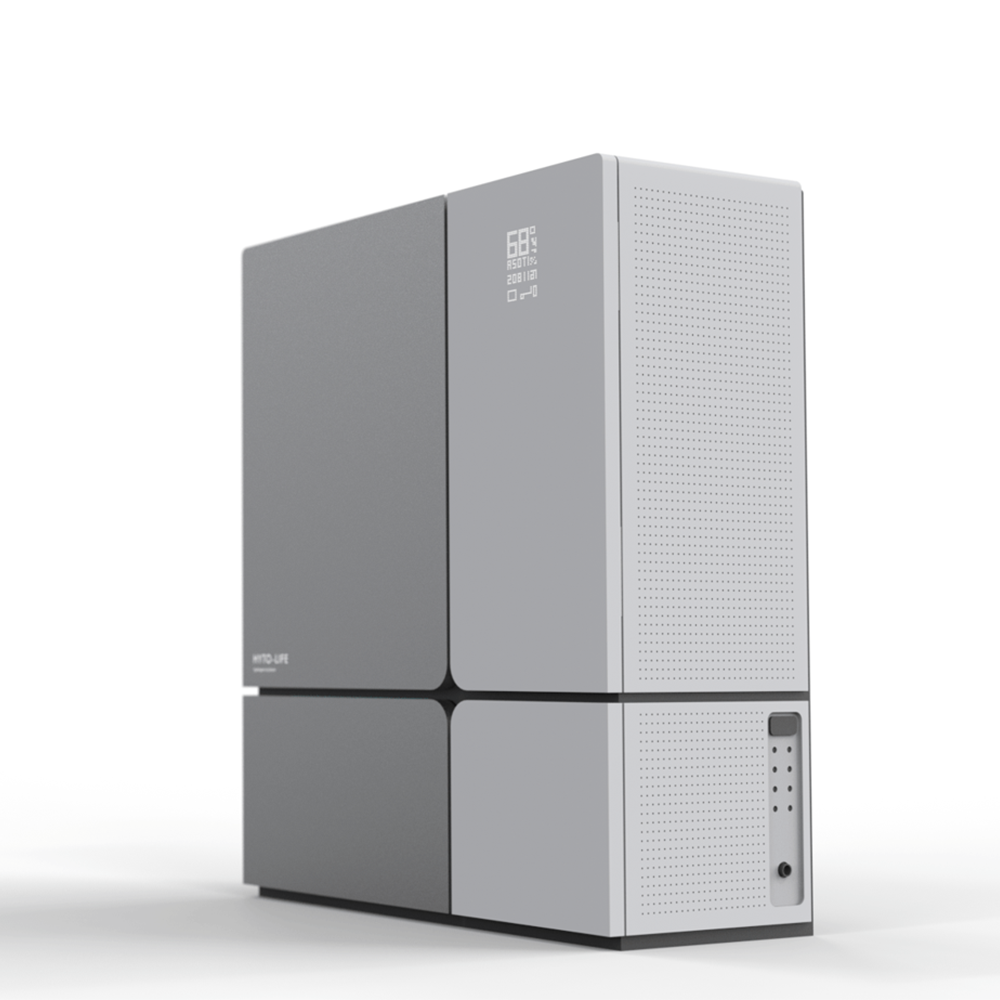
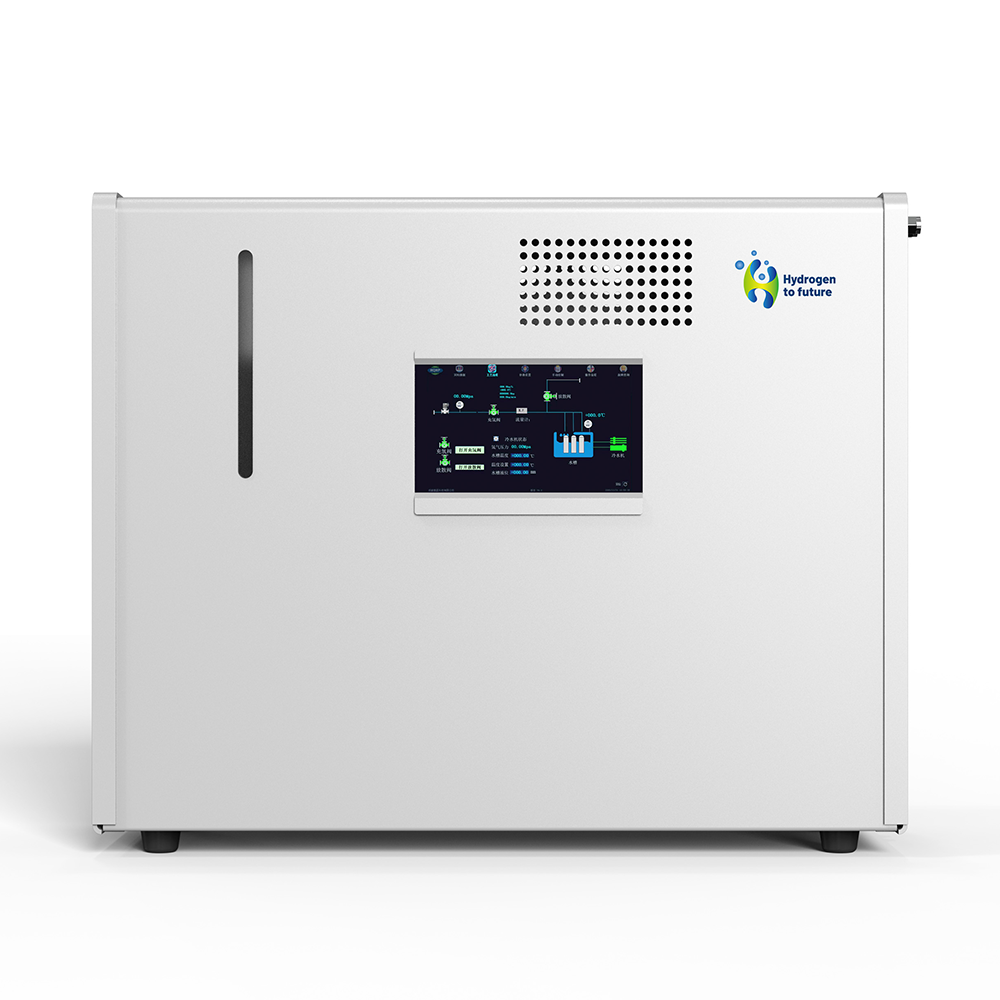
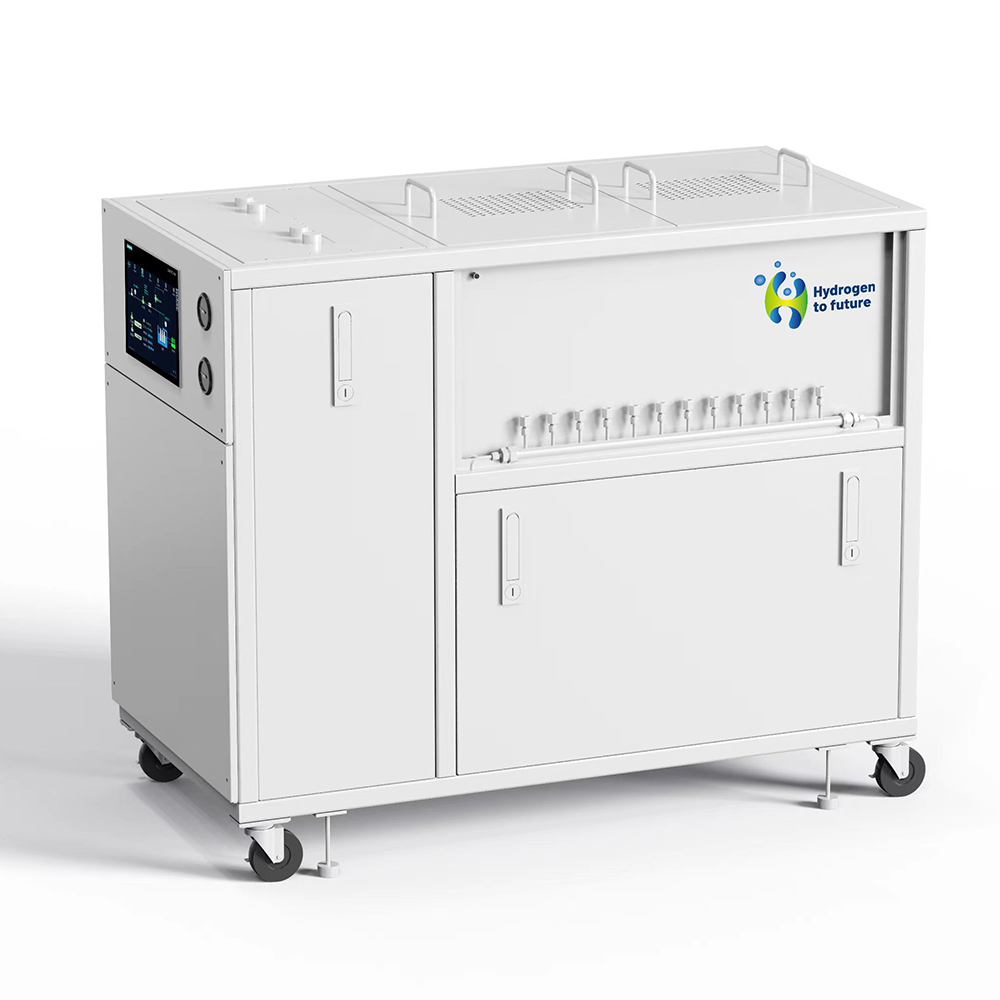
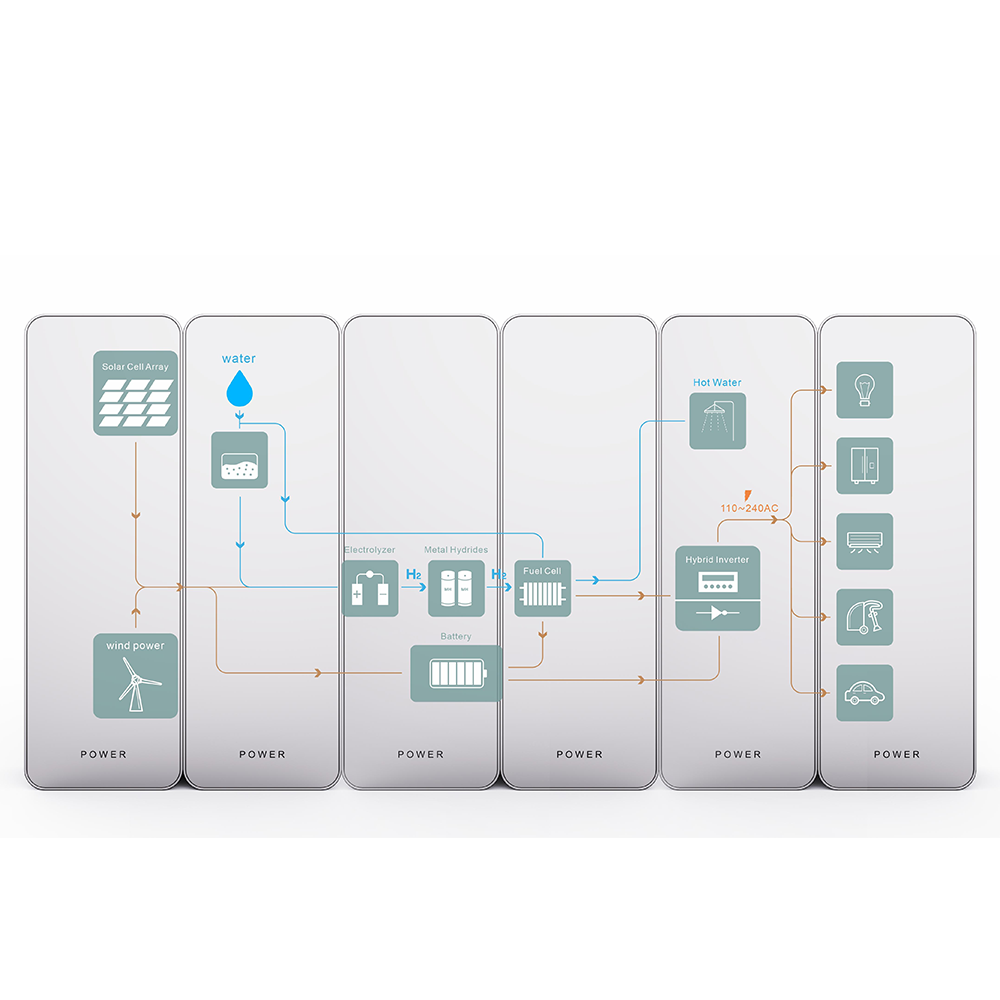
GKN hydrogen systems, integrated by Hyto Energy, include metal hydride storage tanks and fuel cell components. GKN’s expertise in hydrogen storage and fuel cell integration aligns with Hyto’s focus on renewable energy systems. Their metal hydride tanks offer high safety and energy density, while fuel cell modules provide efficient power conversion. Hyto collaborates with GKN to deliver customized hydrogen solutions for diverse applications. For detailed specifications or project proposals, contact our team.
Frequently Asked Questions

Can your hydrogen storage systems be used in cold climates?

Yes, our hydrogen storage solutions are designed to operate in various climates, including cold regions. Metal hydride systems and specialized tank designs ensure reliable performance even in low-temperature environments.
Our metal hydride storage systems offer high hydrogen density through chemical reactions with metals such as magnesium, titanium, and zirconium. The maximum capacity varies by model, with options tailored for small-scale applications. For home use, typical models can store enough hydrogen to meet daily electricity and heating needs, while on-vehicle versions support extended vehicle range. All are optimized for compactness and safety, fitting seamlessly into their respective scenarios.
Our green hydrogen is produced using electricity from renewable sources (solar, wind) via electrolysis, with zero carbon emissions in the entire process. Using it in industries, transport, and power generation replaces fossil fuels, directly reducing carbon footprints to support carbon neutrality.
For larger households, our Picea series (e.g., Picea 2) and scaled-up Lavo-inspired systems are suitable. They integrate larger electrolyzers, increased hydrogen storage, and higher-capacity fuel cells to meet greater electricity and heating demands.

Related Articles

Green Hydrogen: The Key to Achieving Carbon Neutrality in Energy Transition

28

Jun

Green Hydrogen: The Key to Achieving Carbon Neutrality in Energy Transition

The Critical Role of Green Hydrogen in Achieving Carbon NeutralityWhy Green Hydrogen is Essential for Energy TransitionGreen hydrogen is pivotal for the energy transition from fossil fuels to renewable sources, effectively serving as a clean energy c...
View More
AEM Electrolyzer: The Emerging Technology Revolutionizing Hydrogen Production

28

Jun

AEM Electrolyzer: The Emerging Technology Revolutionizing Hydrogen Production

What is an AEM Electrolyzer?How AEM Electrolyzers WorkAEM electrolyzers, or anion exchange membrane electrolyzers, operate by utilizing an anion-conducting membrane, which permits the passage of hydroxide ions. This is distinct from other types of el...
View More
Enapter PEM Electrolyzer: Compact Design for Residential and Commercial Green Hydrogen Production

25

Sep

Enapter PEM Electrolyzer: Compact Design for Residential and Commercial Green Hydrogen Production

Understanding PEM Electrolysis Technology for Green HydrogenHow PEM Electrolyzers Split Water into Hydrogen and OxygenThe fundamental process of PEM electrolysis involves the decomposition of water molecules into hydrogen and oxygen through the use o...
View More
HPS Picea System: Integrated Home Energy Solution Combining Electrolysis, Storage and Fuel Cell

13

Aug

HPS Picea System: Integrated Home Energy Solution Combining Electrolysis, Storage and Fuel Cell

Understanding Integrated Home Energy Solutions The Role of Renewable Energy in Modern Households Renewable energy has become a crucial element in the quest to reduce our carbon footprints and create sustainable households. Sources such as solar a...
View More

Customer Reviews

Auto Engineer Lisa Kim

We use Hyto’s fuel cell system components (like GKN’s) in our prototype vehicles. They integrate seamlessly, are lightweight, and perform in extreme temperatures. Testing shows long lifespan—critical for consumer trust.

Automotive Designer Patricia Taylor

Hyto’s GKN-style fuel cell integration makes our cars run smoothly. Hydrogen flow, power output, and heat management are optimized—no glitches in 10k+ test miles. It’s made our vehicle development faster and more reliable.

Get a Free Quote

Our representative will contact you soon.
0/1000
GKN: Advanced Hydrogen Components for Automotive and Storage Solutions

GKN: Advanced Hydrogen Components for Automotive and Storage Solutions

GKN specializes in hydrogen fuel cell vehicle components (system integration) and hydrogen tank technology. Its solutions support automakers in developing hydrogen-powered models, ensuring efficient, safe integration of hydrogen storage and energy conversion in vehicles.