 EN
EN

AEM vs PEM Water Electrolysis: Which Technology Fits Your Project?
For a hydrogen project team, choosing between an anion-exchange membrane (AEM) system and PEM water electrolysis is not a simple efficiency contest. The better fit depends on power variability, hydrogen delivery requirements, water treatment, procurement tolerance, and the evidence a supplier can provide for the intended duty cycle. This comparison gives B2B buyers a practical way to evaluate PEM water electrolysis alongside emerging AEM technology.
Start with the project boundary, not the stack label
PEM water electrolysis uses a solid polymer membrane to conduct protons between electrodes. It is commonly selected where a compact system and responsive operation are important. AEM electrolysers use an anion-conducting membrane and are being developed to combine membrane-electrolyser architecture with catalyst pathways that may reduce reliance on precious metals.
That distinction matters, but it is only the starting point. A stack does not operate alone. Rectification, cooling, water purification, gas processing, compression, control logic, maintenance access, and safety interfaces all influence a plant’s usable hydrogen output. In practice, a comparison of AEM and PEM water electrolysis should ask what the complete system must do over time, rather than which acronym sounds more advanced.
AEM vs PEM water electrolysis at a glance
| Decision factor | AEM electrolysis | PEM water electrolysis |
|---|---|---|
| Technology position | Developing membrane-based route with growing commercial activity | Established membrane-electrolyser route with broad project experience |
| Materials direction | Often targets non-precious-metal catalyst options | May involve precious-metal catalyst exposure, especially on the oxygen side |
| Dynamic operation | Must be verified against the requested load profile and control strategy | Often considered for variable renewable-power operation; site conditions still govern |
| Selection focus | Validation record, degradation evidence, service model, and scale-up plan | System integration, materials availability, water quality, and lifecycle cost |
This table is deliberately not a ranking. AEM can be attractive when the project is exploring a lower-precious-metal pathway and can qualify technology maturity carefully. PEM water electrolysis can be attractive when the project values a mature membrane platform and a response profile aligned with variable electricity. Neither conclusion replaces a project-specific technical review.
When PEM water electrolysis is usually the stronger candidate
Consider PEM water electrolysis when your electrical input will change frequently, your layout rewards a compact membrane-based system, or your engineering team needs a technology with an established body of operational and supplier experience. It can be especially relevant for renewable-coupled projects in which the electrolyser, power electronics, storage, and downstream hydrogen demand need coordinated control.
However, the phrase “fast response” should be translated into an acceptance test. Ask for the allowed ramping range, start-stop logic, minimum stable load, expected behavior during curtailment, water-quality requirements, and the conditions attached to performance data. A PEM water electrolysis proposal is stronger when the supplier can connect those answers to your actual power profile rather than present a nameplate-only claim.
Material exposure also deserves early attention. Public technical discussions of PEM water electrolysis commonly address catalyst loading and the role of precious metals. That does not make every PEM project uneconomic; it means procurement should examine supply-chain assumptions, replacement strategy, warranty boundaries, and the basis used for lifecycle-cost estimates.
When AEM may deserve deeper evaluation
AEM is worth a closer look when a project wants the potential benefits of membrane architecture while investigating catalyst systems that may rely less on precious metals. For buyers, the opportunity is not a blanket promise of lower cost. It is the possibility of a different materials and supply-chain pathway, subject to evidence at the required operating point and scale.
Because AEM deployments can vary in maturity by supplier and size, due diligence matters more than headline comparisons. Request long-duration operating evidence, test conditions, degradation definitions, stack-replacement assumptions, local service coverage, and references relevant to the planned duty cycle. If the project requires frequent cycling, pressure operation, or a particular gas-treatment train, make those conditions explicit in the technical schedule.
The useful question is not whether AEM will “replace” PEM water electrolysis. It is whether its demonstrated performance, risk allocation, and support model fit your commissioning date and hydrogen-production obligation better than the alternatives.
Build the decision around four project conditions
1. Electricity profile and operating rhythm
Map expected hourly and seasonal power availability before comparing AEM with PEM water electrolysis. Include curtailment, grid support, planned outages, and the intended utilization rate. Then ask each supplier to state how its system behaves across that profile. A single efficiency value is less useful than a transparent operating envelope.
2. Water and balance-of-plant requirements
Water treatment is a system responsibility, not an afterthought. Define inlet-water quality, polishing steps, monitoring, wastewater handling, and the consequences of deviation. The correct choice between AEM and PEM water electrolysis can change once these interfaces, operating procedures, and consumables are costed consistently.
3. Hydrogen offtake and storage integration
Specify pressure, purity, flow stability, compression, buffering, and storage needs. An electrolyser selection should support the hydrogen pathway as a whole. For projects moving from generation into storage or microgrid integration, the coordination between production, controls, and storage often matters more than an isolated stack feature.
4. Bankability and lifecycle verification
Compare warranties, exclusions, spare-parts lead times, maintenance windows, degradation measurement, acceptance testing, and performance guarantees. For PEM water electrolysis, as for AEM, verify whether quoted figures are stack-level or system-level and whether they match your ambient conditions and duty cycle.
A practical procurement checklist
- Provide the actual electrical-load profile, including ramping and shutdown events.
- Ask for performance evidence at comparable pressure, temperature, and utilization.
- Separate stack efficiency from complete-system consumption and auxiliary loads.
- Confirm water specifications, monitoring responsibilities, and replacement consumables.
- Evaluate catalyst-material exposure, supply assumptions, warranties, and service capacity.
- Define acceptance criteria before award, including operating range and data-collection method.
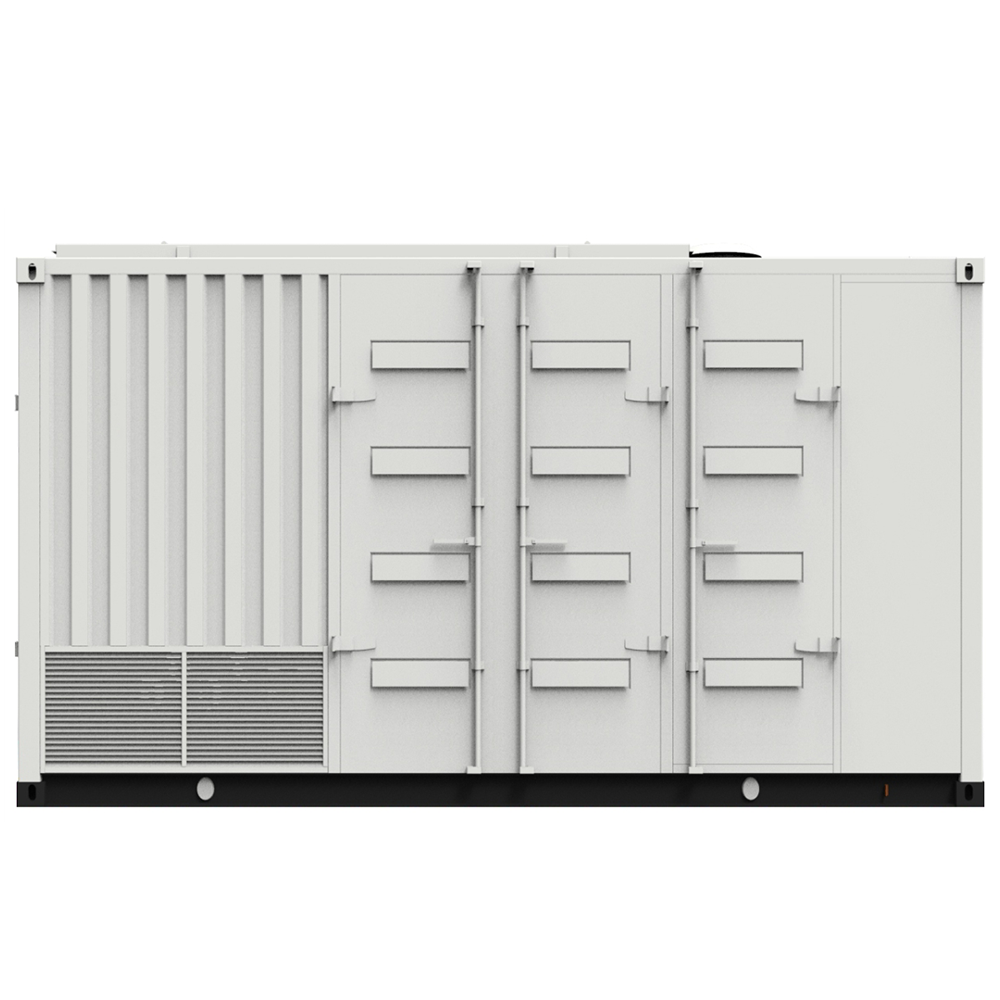
For a project seeking megawatt-scale configuration discussion, review the available 1MW-5MW product page as a starting point for a supplier conversation. The page should be supplemented by a project-specific scope, not treated as proof of a particular AEM or PEM water electrolysis outcome.
How to make the final choice
Choose AEM when its validated operating record, materials strategy, support plan, and contractual risk allocation match the project better. Choose PEM water electrolysis when its demonstrated dynamic behavior, integration pathway, and lifecycle evidence meet the project requirements with clearer confidence. More accurately, the right answer is the option that produces a defensible hydrogen system under your real electricity, water, storage, and operating constraints.
Before making a final decision, compare both options against the same technical schedule and acceptance tests. That disciplined process turns an AEM-versus-PEM water electrolysis debate into an engineering decision your team can explain, procure, and operate.