 EN

AEM Hydrogen Electrolyser Procurement Guide for Industrial Buyers
Industrial hydrogen projects rarely fail because a buyer missed a headline efficiency number. They fail when the selected system does not fit the power profile, water treatment plan, safety case, maintenance model, or expansion timetable. For teams comparing hydrogen electrolyzer manufacturers, an AEM platform can be compelling because it aims to pair membrane-electrolyser responsiveness with reduced reliance on precious-metal catalysts. It is also an emerging technology category, so the procurement process must distinguish demonstrated performance from contractual, site-specific commitments.
This guide gives project owners, EPC teams, and industrial off-takers a practical way to assess an anion exchange membrane electrolyzer for a decision-stage purchase. The goal is not to name a preferred supplier; it is to create a comparable evidence pack before technical and commercial negotiations begin.
Start with the operating case, not the stack brochure
Before approaching hydrogen electrolyzer manufacturers, define what the plant must do. Record the required hydrogen flow, delivery pressure, purity, annual operating hours, planned load range, start-stop frequency, ambient conditions, available water quality, and the electrical connection. A system intended to follow variable renewable generation needs different controls, buffer capacity, and degradation evidence from a unit operating close to a steady industrial baseload.
Turn those inputs into a site acceptance matrix. Separate mandatory requirements from preferences, and identify who owns each interface: power conversion, water treatment, hydrogen drying or purification, compression, storage, ventilation, controls, and emergency shutdown. This prevents an apparently complete electrolyser quotation from becoming an integration gap later.
Evaluate AEM claims under comparable test conditions
An anion exchange membrane electrolyzer should be assessed as a system, not only as a cell. Ask suppliers to state the exact conditions behind every performance figure: current density, cell voltage, temperature, pressure, feedwater or electrolyte configuration, measurement boundary, and test duration. Published AEM research demonstrates strong potential, but it also identifies durability, water management, membrane stability, and interface stability as key commercialization questions. A laboratory result is useful context; it is not a substitute for a warranted site duty point.
Use a shared comparison table for every bidder:
| Evaluation item | What to request | Why it matters |
|---|---|---|
| Hydrogen output | Guaranteed flow range and measurement basis | Confirms the unit meets the actual production schedule. |
| Specific energy | kWh per kg H₂ at the stated boundary and load points | Lets buyers compare operating cost on like-for-like terms. |
| Degradation | Test protocol, duration, data trend, and replacement assumptions | Connects stack performance to lifecycle cost and availability. |
| Operating envelope | Ramp rate, turndown, pressure, temperature, water-quality limits | Shows whether the system matches the plant’s real constraints. |
| Maintainability | Planned service tasks, spares list, turnaround time, local support | Reduces unplanned downtime exposure. |
Compare the supplier’s industrial delivery capability
Shortlisting hydrogen electrolyzer manufacturers should include engineering and service evidence, not just technology credentials. Ask which scope is factory-built, which is integrated on site, and which subcontractors control critical packages. Review quality controls for stack assembly, traceability for key components, factory acceptance testing, commissioning procedures, and the escalation route for performance issues.
A capable supplier should explain how project risks are allocated across the stack, balance of plant, controls, installation, and commissioning. Request a sample operating-and-maintenance plan, proposed training scope, spare-parts strategy, remote-support process, and response commitments. Where references are offered, focus questions on operating profile, availability, maintenance intervals, and the difference between designed and actual duty—not only on nameplate capacity.
Make safety and compliance evidence a bid-gate
Hydrogen generation combines electrical, pressure, ventilation, gas-quality, and control-system risks. ISO 22734 is a widely used reference for hydrogen generators using water electrolysis. It is not enough to see the standard listed in marketing material. Require hydrogen electrolyzer manufacturers to identify the applicable edition and scope, provide the supporting safety documentation, and explain how the supplied configuration will be assessed for the project jurisdiction.
Your bid checklist should cover hazardous-area assumptions, gas detection, purge and vent arrangements, pressure relief, electrical protection, emergency shutdown logic, alarm philosophy, cybersecurity responsibilities, and documentation for installation and operation. If the plant will connect to storage, compression, or a microgrid, review those interfaces in the same hazard-review process rather than treating the electrolyser as an isolated package.
Check capacity scaling, integration and support before award
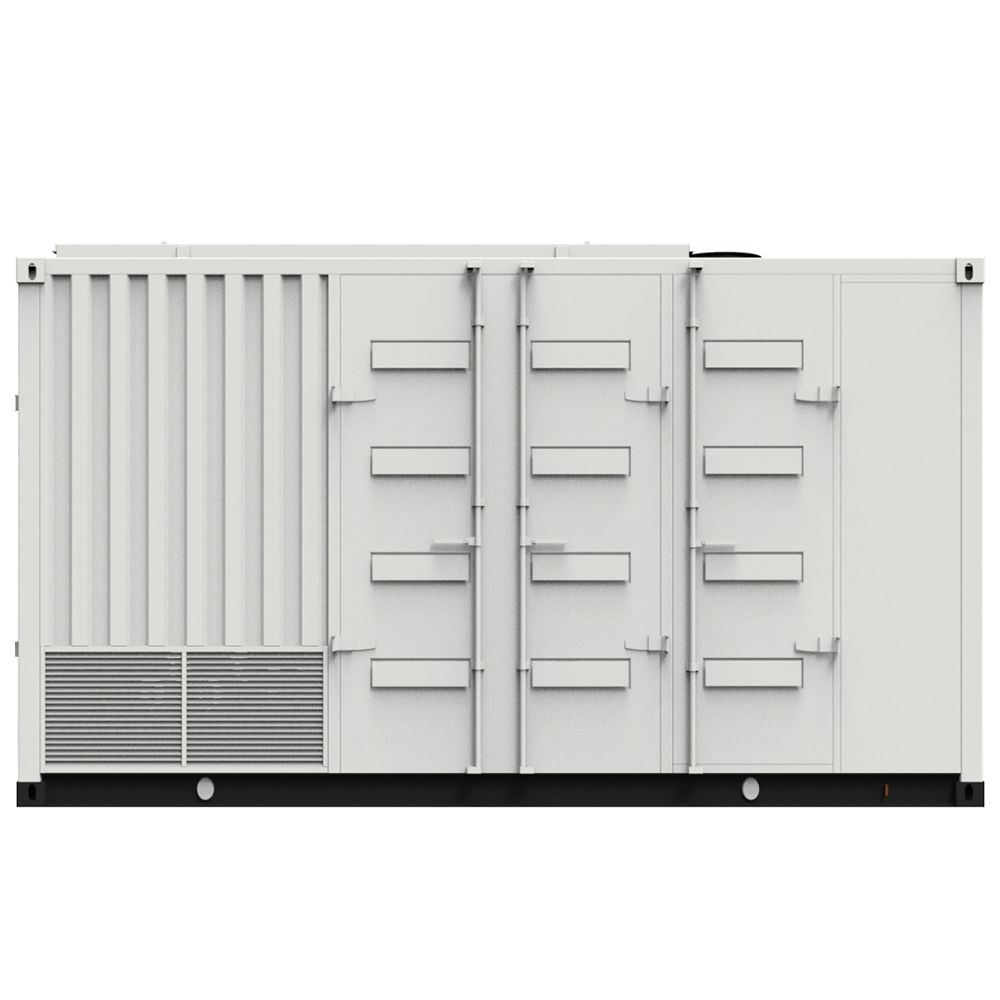
Capacity is more than a MW label. Buyers need to know whether a supplier’s modular architecture, electrical design, water system, controls, and service organization scale with the project. Hyto Energy provides industrial hydrogen-production system categories that can support early scoping conversations, including 100KW-500KW systems and 1MW-5MW systems. Confirm final technology configuration, scope, and performance directly in the supplier’s technical proposal.
For an anion exchange membrane electrolyzer, request an expansion roadmap that shows how additional skids affect common utilities, rectifiers, cooling, water treatment, hydrogen handling, controls, and footprint. A phased project should not assume that the first package was designed for a later build-out unless the supplier documents that assumption.
Use a decision-ready supplier questionnaire
- What contractually committed hydrogen output, purity, energy use, and availability apply at our defined duty points?
- Which AEM stack data comes from production equipment, and which comes from laboratory or pilot testing?
- What degradation assumptions support the warranty and lifecycle cost model?
- What water-quality limits and pretreatment equipment are required?
- What is included in the safety, controls, commissioning, and documentation scope?
- Who provides field service, what spares are recommended, and what response time is committed?
- How will the plant be tested at factory acceptance, site acceptance, and after performance stabilization?
Move from comparison to a defensible award decision
The strongest proposals from hydrogen electrolyzer manufacturers make their assumptions visible. Build a weighted scorecard that gives meaningful weight to verified performance at your duty point, safety and integration evidence, service readiness, contractual remedies, and total lifecycle exposure—not only initial price. Ask finalists to close open technical exceptions before award and convert key commitments into measurable acceptance criteria.
An anion exchange membrane electrolyzer can be a credible option for industrial clean-hydrogen projects when its operating limits, performance evidence, integration plan, and support model are aligned with the site. A disciplined procurement process gives buyers a clearer basis to select a partner and manage the technology’s remaining uncertainty responsibly.