Green Hydrogen Powered by Renewable Energy | Sustainable Solution

Renewable Energy: The Foundation of Our Green Hydrogen Ecosystem

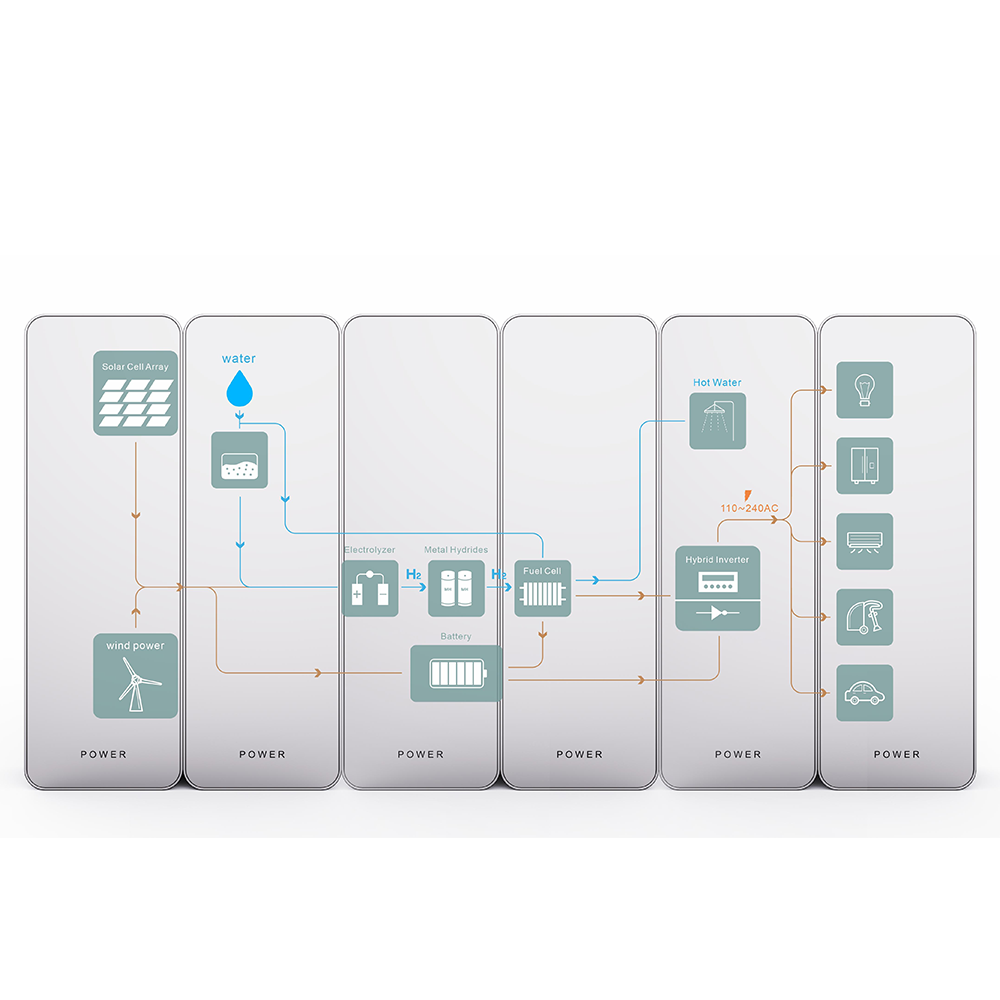
Renewable energy like solar and wind powers our green hydrogen production. Hydrogen stores this energy, solving renewables' intermittency, forming a sustainable "electricity-hydrogen-electricity" cycle.
Get A Quote

Why choose us?

Low water purity requirements cut costs

Alkaline electrolyzers have low feedwater purity requirements, minimizing water treatment costs in water-scarce or industrial areas.

Safety prioritized across the entire chain

Safety is ensured in hydrogen production (stable electrolyzers), storage (metal hydrides, tested tanks), and use (safe fuel cells).

Long-term technical support services

We offer ongoing technical support for electrolyzers, fuel cells, and storage systems, ensuring optimal performance and longevity.

Related products

Hyto Energy’s fuel cell systems are deeply integrated with renewable energy sources to create closed-loop zero-emission ecosystems. By combining solar/wind power with electrolyzers, green hydrogen is produced and stored for later use in fuel cells, generating electricity and heat. For example, the HPS Picea unit uses surplus solar energy to produce hydrogen via alkaline electrolyzers, which is then converted back to power by PEM fuel cells during winter. This “power-to-hydrogen-to-power” cycle ensures year-round energy self-sufficiency. Hyto’s fuel cell solutions are also used in backup power systems for critical infrastructure, where renewable hydrogen provides reliable, emissions-free energy. For fuel cell-renewable integration projects, contact our team.
Frequently Asked Questions

How much renewable energy is needed to produce a kg of green hydrogen with your systems?

The amount varies by electrolyzer efficiency: our PEM electrolyzers, with over 80% efficiency, require approximately 4.5-5.5 kWh of renewable electricity per kg of hydrogen, making them energy-efficient producers of green hydrogen.
Our electrolyzers and fuel cells operate at low noise levels. This makes them suitable for residential areas, offices, and other noise-sensitive environments, ensuring minimal disruption to daily activities.
Yes, our modular system designs allow for upgrades as technology advances. Components like electrolyzer stacks, fuel cells, or control systems can be replaced or upgraded individually, extending the system's lifespan and incorporating new innovations.
The ROI for home systems depends on factors like local energy prices and solar resource availability. Typically, homeowners can expect to see returns over several years through reduced energy bills, with the added benefit of energy independence and environmental impact reduction.

Related Articles

Fuel Cell Technology: From Working Principles to Wide-Range Applications

28

Jun

Fuel Cell Technology: From Working Principles to Wide-Range Applications

How Fuel Cell Technology Works: Core Principles and Mechanisms The Electrochemical Reaction Behind Energy Generation Fuel cells generate energy through a remarkable electrochemical reaction, where hydrogen and oxygen interact to produce electricity,...
View More
Metal Hydride Hydrogen Storage: Safe and High-Density Solution for Mobile Applications

21

Jul

Metal Hydride Hydrogen Storage: Safe and High-Density Solution for Mobile Applications

Metal Hydride Hydrogen Storage Fundamentals How Metal Hydrides Bind Hydrogen Gas Safely Metal hydrides are fascinating compounds formed by the combination of metals and hydrogen, allowing hydrogen to be absorbed and released under controlled conditio...
View More
Hydrogen Tank Technologies: Comparison of High-Pressure Gaseous and Liquid Storage

20

Mar

Hydrogen Tank Technologies: Comparison of High-Pressure Gaseous and Liquid Storage

1. The Critical Role of Hydrogen Tank Technologies in the Hydrogen Industry Hydrogen storage is the core link connecting hydrogen production and utilization in the hydrogen energy industry, and tank-based storage technologies are the most widely ap...
View More
Plug Power PEMFC: Leading Solutions for Forklift and Stationary Power Applications

25

Sep

Plug Power PEMFC: Leading Solutions for Forklift and Stationary Power Applications

Core Principles of Proton Exchange Membrane Fuel Cells Proton Exchange Membrane Fuel Cells (PEMFCs) are pioneering technologies transforming chemical energy into electrical energy through a clean electrochemical process. The process involves a fundam...
View More

Customer Reviews

Andrew Clark

Hyto’s system ties our solar/wind to hydrogen production. Excess power becomes hydrogen, which we use when renewables dip. It solves intermittency—our energy supply is steady 24/7. No more wasted renewable potential.

Megan Adams

With Hyto, our solar panels feed into electrolyzers, making hydrogen. It’s stored and used when the sun’s down. We’re no longer at the grid’s mercy—renewable energy, on our terms. Reliable, clean, and empowering.

Get a Free Quote

Our representative will contact you soon.
0/1000
Renewable Energy: Foundation for Green Hydrogen and Energy Storage

Renewable Energy: Foundation for Green Hydrogen and Energy Storage

Renewable energy (solar, wind) is the core power source for green hydrogen production. It pairs with hydrogen systems to address intermittency—excess renewable electricity is stored as hydrogen, which is later converted back to power, creating a sustainable energy cycle.