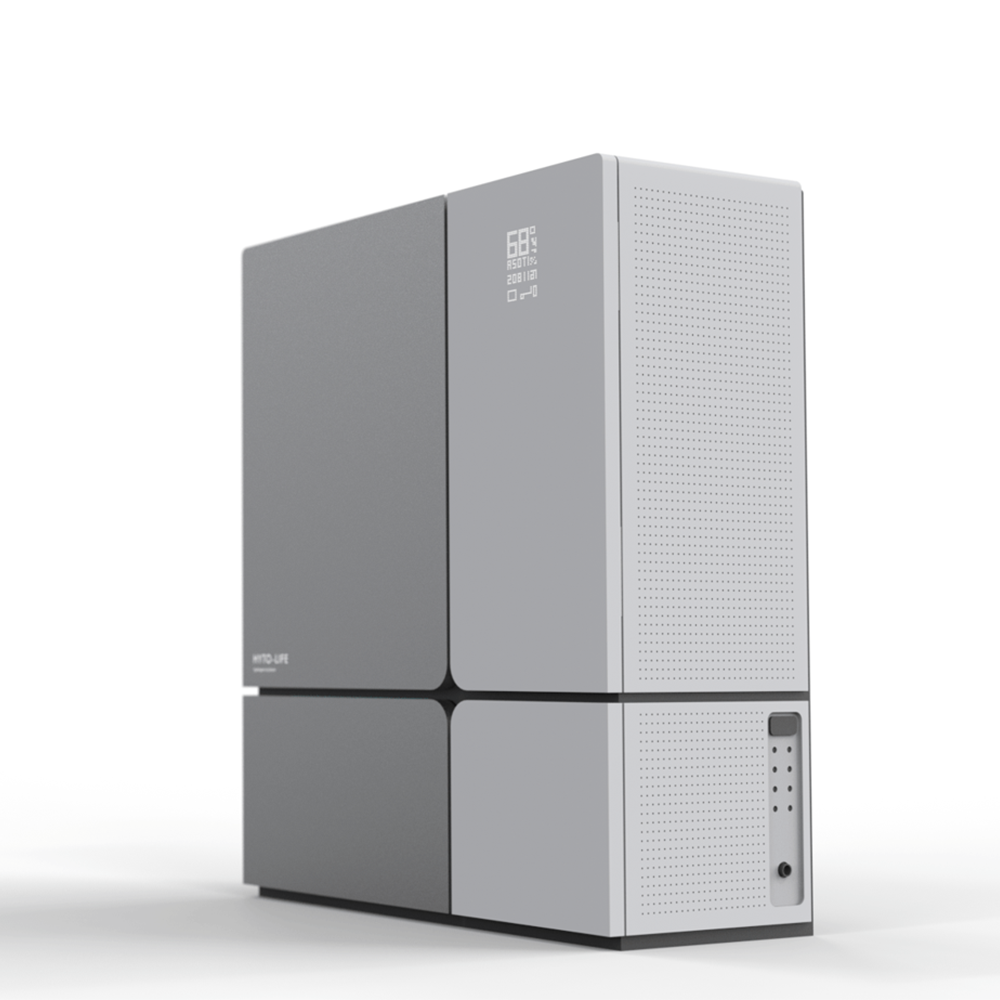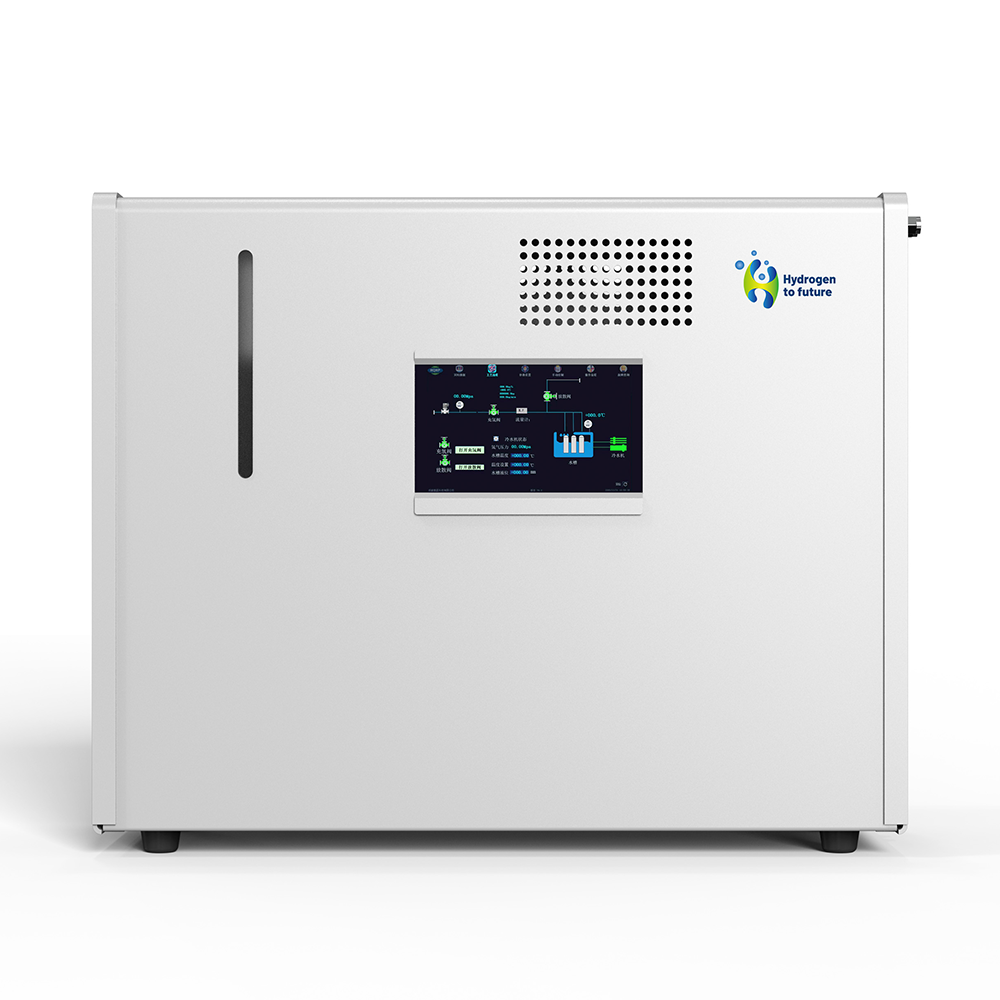
Picea 2: All-in-One Home Energy System for Self-Sufficiency

Picea: Our Integrated Home Energy System for Self-Sufficiency

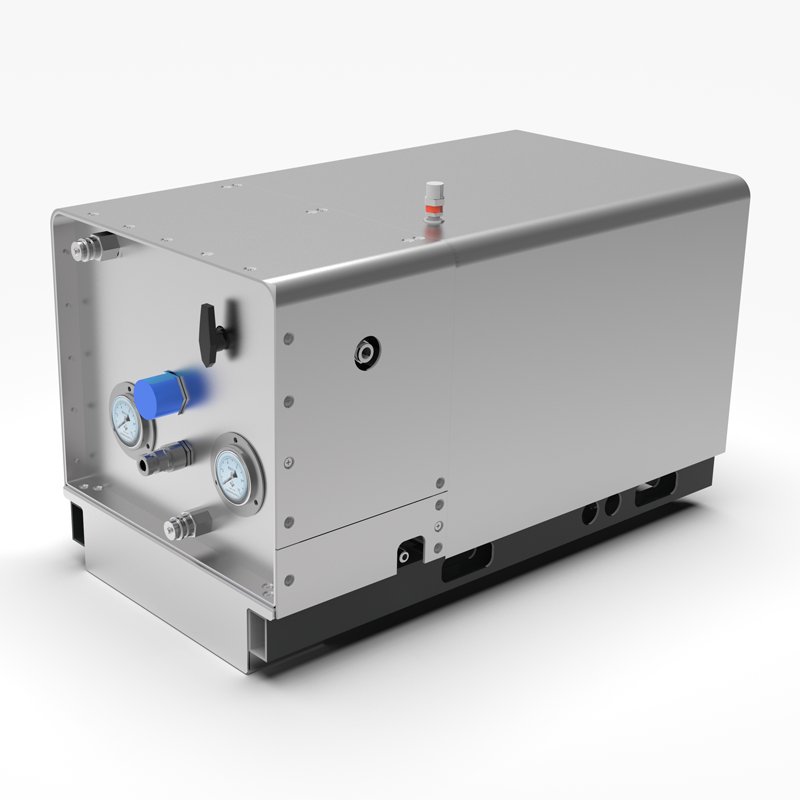
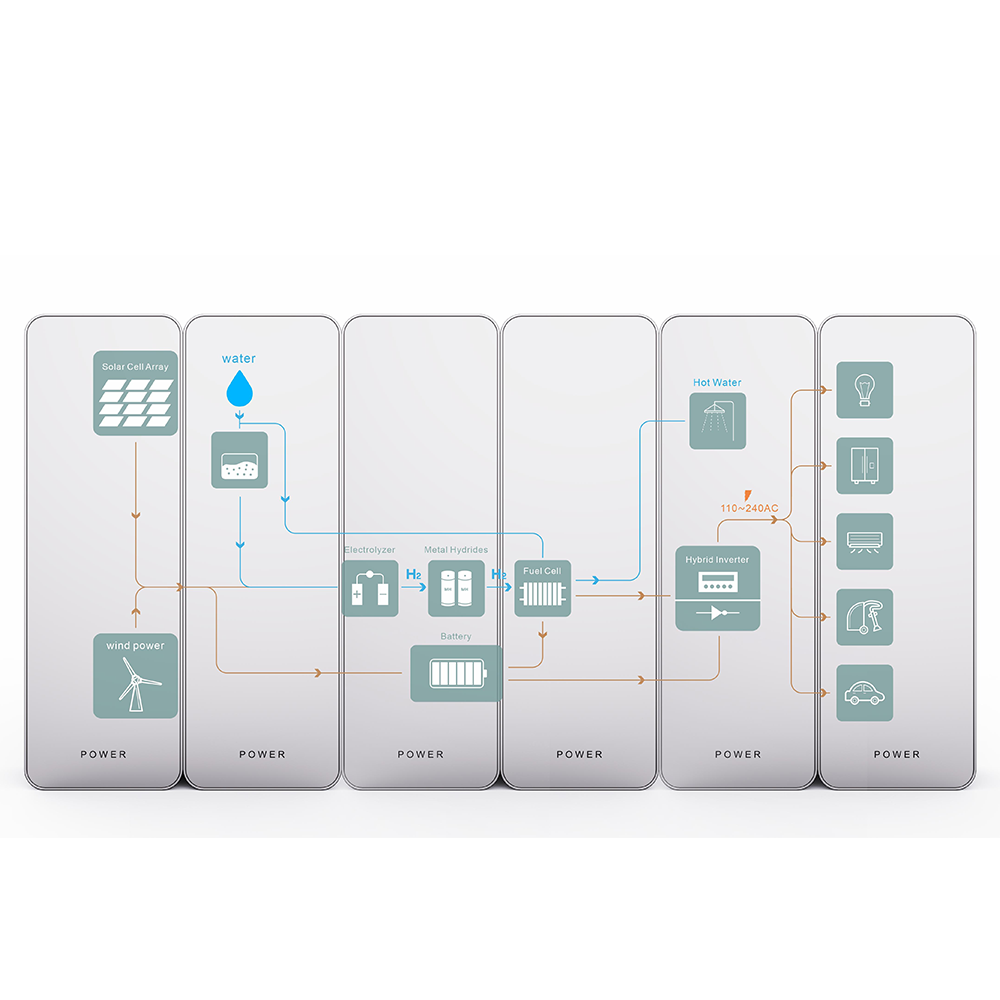
We offer the Picea series, such as Picea 2, an all-in-one energy system integrating electrolyzer, hydrogen storage, and fuel cell. It uses photovoltaic power to produce and store hydrogen, and in winter, the fuel cell generates electricity and heat, enabling households to achieve energy self-sufficiency.
Get A Quote

Why choose us?

Mature and stable alkaline electrolyzers

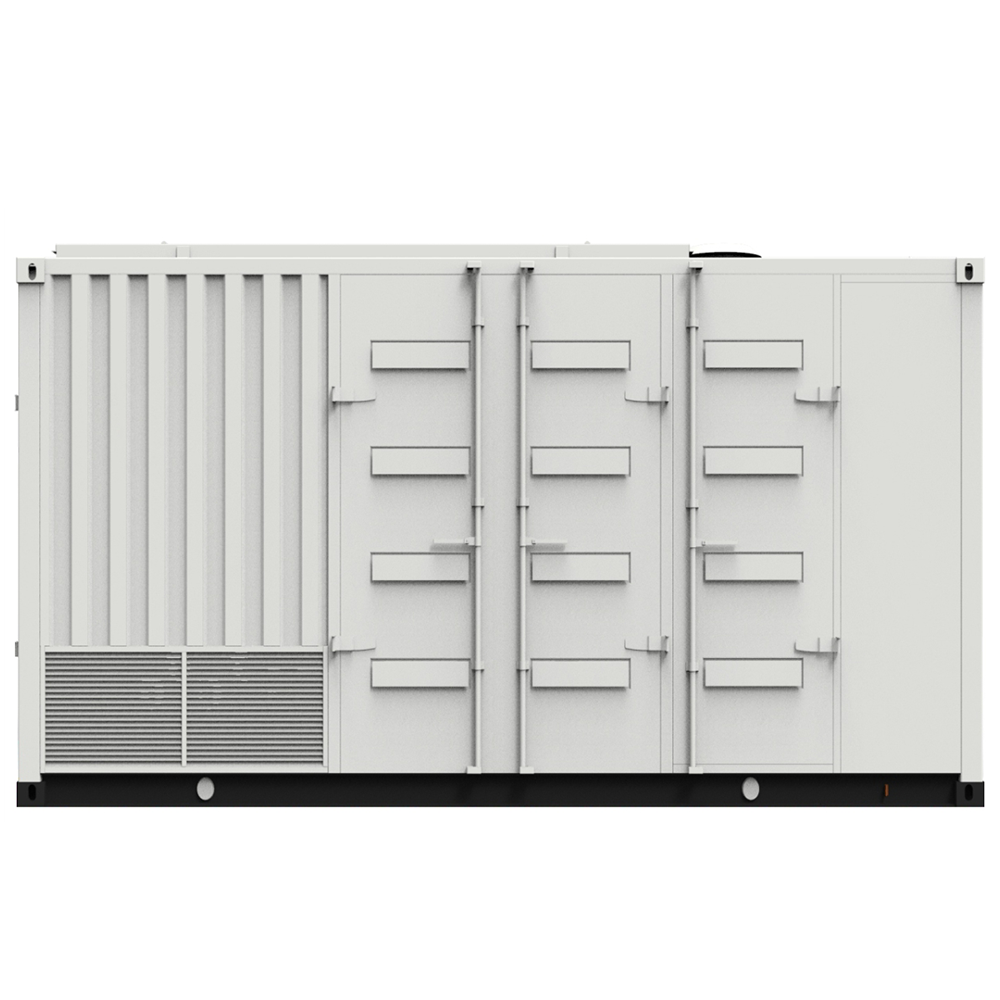
Our alkaline electrolyzers with KOH electrolyte feature mature technology, high operational stability, and low water purity requirements, ideal for large-scale industrial hydrogen production.

High-efficiency PEM electrolyzers for renewables

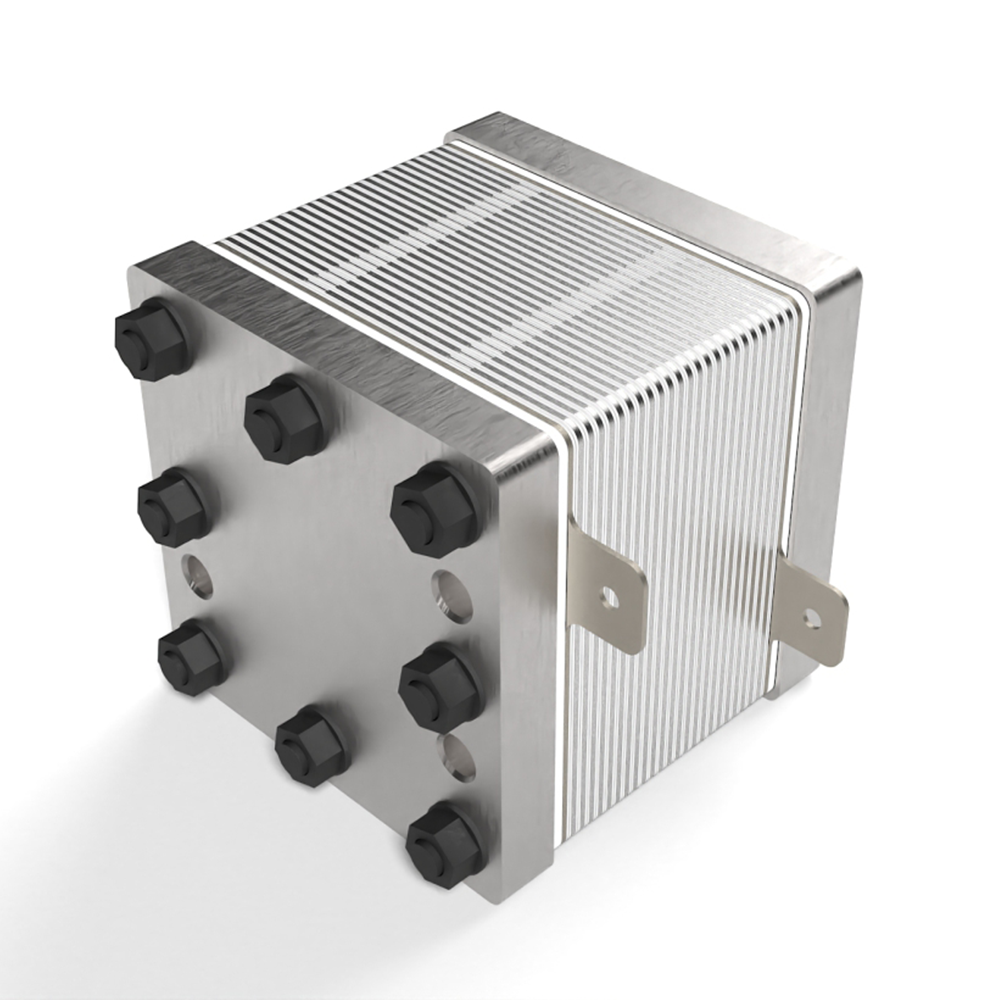
PEM electrolyzers achieve over 80% efficiency, fast response, and high-purity output, perfectly coupling with wind and solar energy for green hydrogen production.

AEM electrolyzers balance cost and efficiency

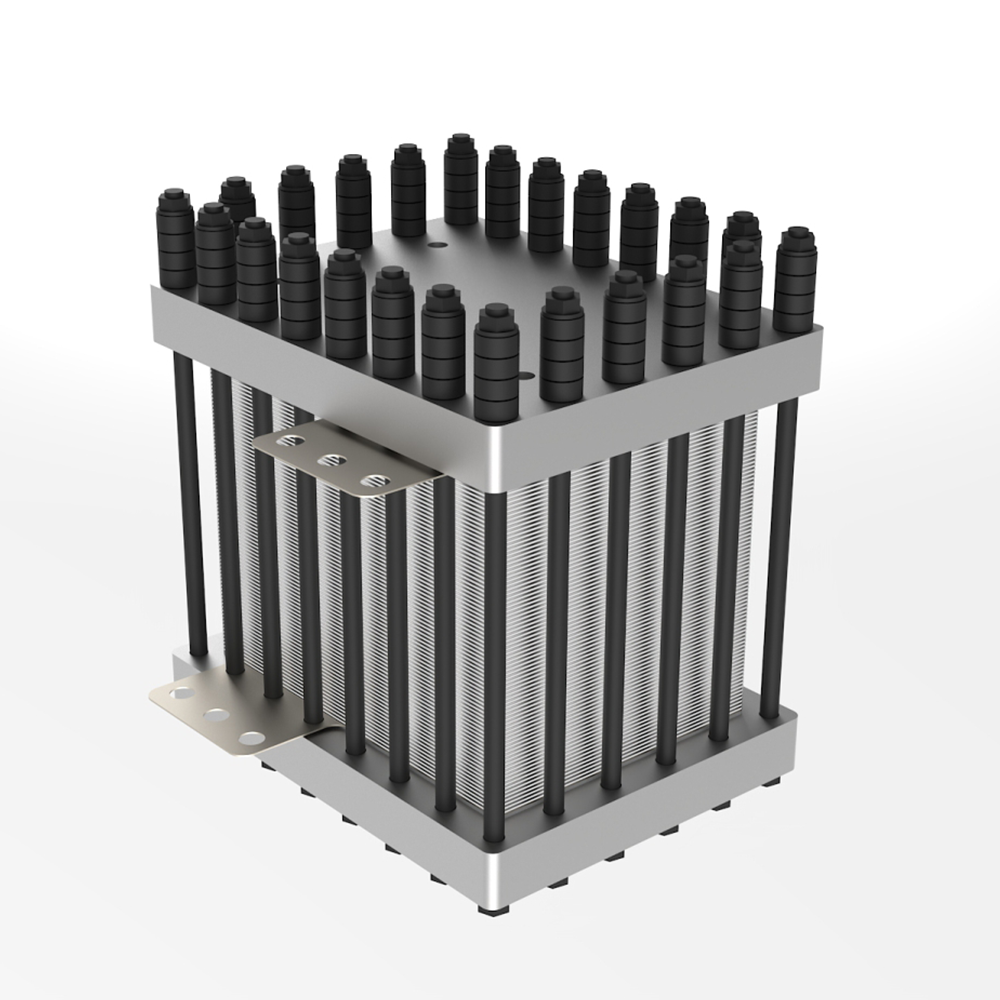
AEM electrolyzers merge alkaline's cost advantages with PEM's efficiency, using non-precious metal catalysts, suitable for emerging commercial scenarios.

Related products

Picea’s fuel cell heating mechanism recovers waste heat from the fuel cell to provide space heating and hot water. The fuel cell operates at 45–55% electrical efficiency, with the remaining energy released as heat. This heat is captured via heat exchangers and used directly in radiators or underfloor heating systems, reducing reliance on conventional boilers. For example, Picea-equipped homes achieve 50% heating cost savings compared to grid-dependent systems. The system’s thermal management also integrates with heat pumps for hybrid heating during extreme cold, ensuring year-round comfort with 100% renewable energy.
Frequently Asked Questions

What is the efficiency of your PEM electrolyzers?

Our PEM electrolyzers boast an efficiency of over 80%, making them highly efficient for hydrogen production. This high efficiency, combined with fast response times, makes them ideal for integration with renewable energy sources like wind and solar.
Our AEM electrolyzers use anion exchange membranes, combining the cost advantages of alkaline electrolyzers with the high efficiency of PEM electrolyzers. They also utilize non-precious metal catalysts, making them a cost-effective and innovative option in early commercialization.
Our fuel cells, especially PEMFCs, are designed for durability. With proper maintenance, they can have a long operational lifespan, suitable for continuous use in various applications such as transportation and distributed power generation.
Our metal hydride storage systems offer high hydrogen density through chemical reactions with metals such as magnesium, titanium, and zirconium. The maximum capacity varies by model, with options tailored for small-scale applications. For home use, typical models can store enough hydrogen to meet daily electricity and heating needs, while on-vehicle versions support extended vehicle range. All are optimized for compactness and safety, fitting seamlessly into their respective scenarios.

Related Articles

Fuel Cell Technology: From Working Principles to Wide-Range Applications

28

Jun

Fuel Cell Technology: From Working Principles to Wide-Range Applications

How Fuel Cell Technology Works: Core Principles and Mechanisms The Electrochemical Reaction Behind Energy Generation Fuel cells generate energy through a remarkable electrochemical reaction, where hydrogen and oxygen interact to produce electricity,...
View More
Green Hydrogen: The Key to Achieving Carbon Neutrality in Energy Transition

28

Jun

Green Hydrogen: The Key to Achieving Carbon Neutrality in Energy Transition

The Critical Role of Green Hydrogen in Achieving Carbon NeutralityWhy Green Hydrogen is Essential for Energy TransitionGreen hydrogen is pivotal for the energy transition from fossil fuels to renewable sources, effectively serving as a clean energy c...
View More
PEM Electrolyzer: High-Efficiency Hydrogen Production for Renewable Energy Integration

20

Mar

PEM Electrolyzer: High-Efficiency Hydrogen Production for Renewable Energy Integration

In the global pursuit of carbon neutrality, green hydrogen has emerged as a core carrier of clean energy, bridging the gap between intermittent renewable energy and stable energy supply. Proton Exchange Membrane (PEM) electrolyzer stands out as a pi...
View More
Enapter PEM Electrolyzer: Compact Design for Residential and Commercial Green Hydrogen Production

25

Sep

Enapter PEM Electrolyzer: Compact Design for Residential and Commercial Green Hydrogen Production

Understanding PEM Electrolysis Technology for Green HydrogenHow PEM Electrolyzers Split Water into Hydrogen and OxygenThe fundamental process of PEM electrolysis involves the decomposition of water molecules into hydrogen and oxygen through the use o...
View More

Customer Reviews

Mark Davis

We’ve used Picea for 2 years. Even on cloudy days, stored hydrogen ensures consistent electricity. The heat recovery feature is brilliant—no wasted energy. It’s reduced our energy bills by 60%, and we love being carbon-neutral. Highly recommend for homes in cold climates.

James Wilson

Our Picea system syncs flawlessly with solar. Excess daytime energy becomes hydrogen, which powers us at night. Winter heating is consistent, no more cold spells. Customer support was great during setup—they walked us through every step.

Get a Free Quote

Our representative will contact you soon.
0/1000
Picea: All-in-One Home Energy Ecosystem for Self-Sufficiency

Picea: All-in-One Home Energy Ecosystem for Self-Sufficiency

Picea integrates electrolyzer, hydrogen storage, and fuel cell into a single system. It utilizes photovoltaic energy to produce and store hydrogen, then uses the stored hydrogen via fuel cell to generate electricity and heat during winter, enabling households to meet energy needs independently without relying on external grids.