Green Hydrogen for a Sustainable Future [Zero Carbon]

Green Hydrogen: Our Zero-Carbon, Renewable-Powered Product

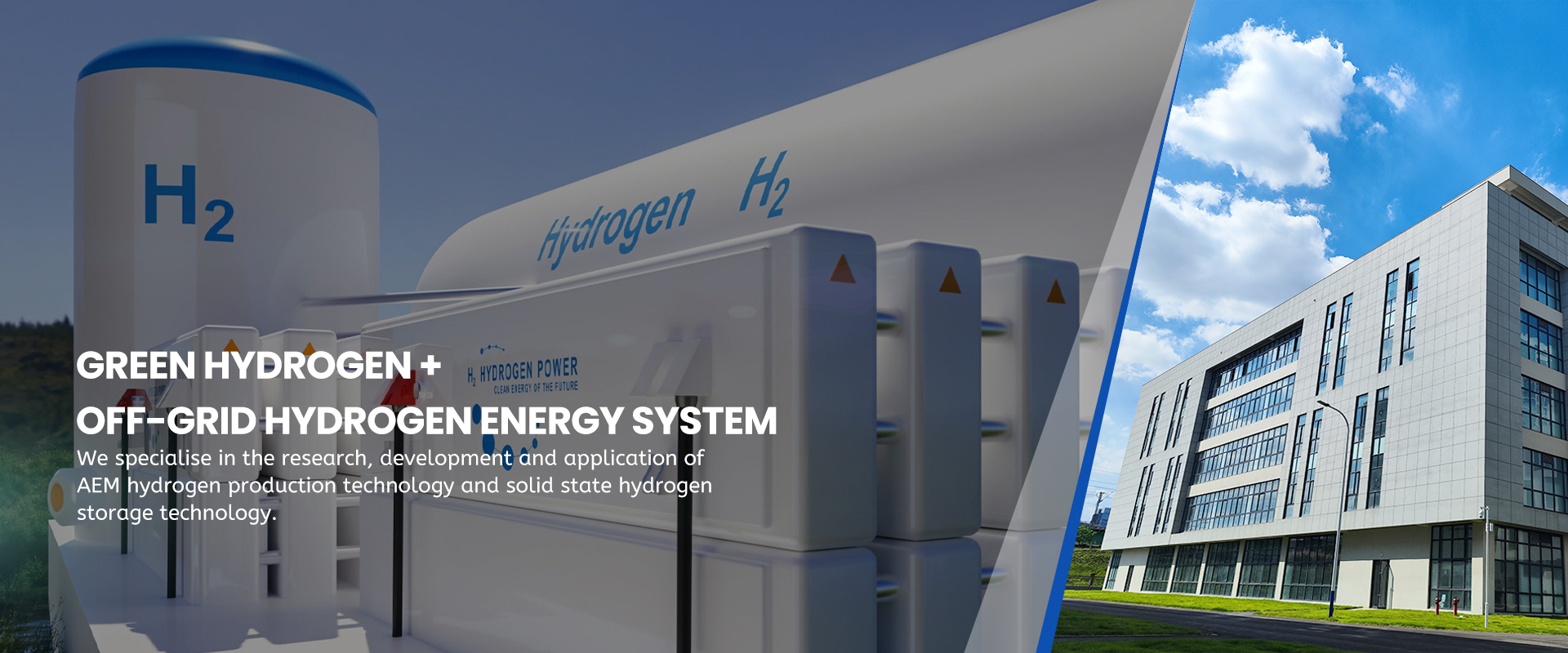
We produce green hydrogen by electrolyzing water with electricity from renewable sources like solar and wind. With zero carbon emissions throughout the process, it's our key offering to drive the clean energy transition and support global carbon neutrality.
Get A Quote

Why choose us?

Zero-emission fuel cells

Our fuel cells, especially PEMFC, generate electricity via hydrogen-oxygen reaction with only water emission, enabling clean power for transportation and distributed stations.

PEMFC widely applicable in transportation

PEMFCs are used in fuel cell cars, logistics trucks, and forklifts, offering fast startup and high efficiency for diverse transport needs.

Versatile hydrogen tanks for various scenarios

We provide 35MPa/70MPa high-pressure gaseous tanks (for fuel cell vehicles) and liquid tanks (for long-distance transport), ensuring flexible storage and transport.

Related products

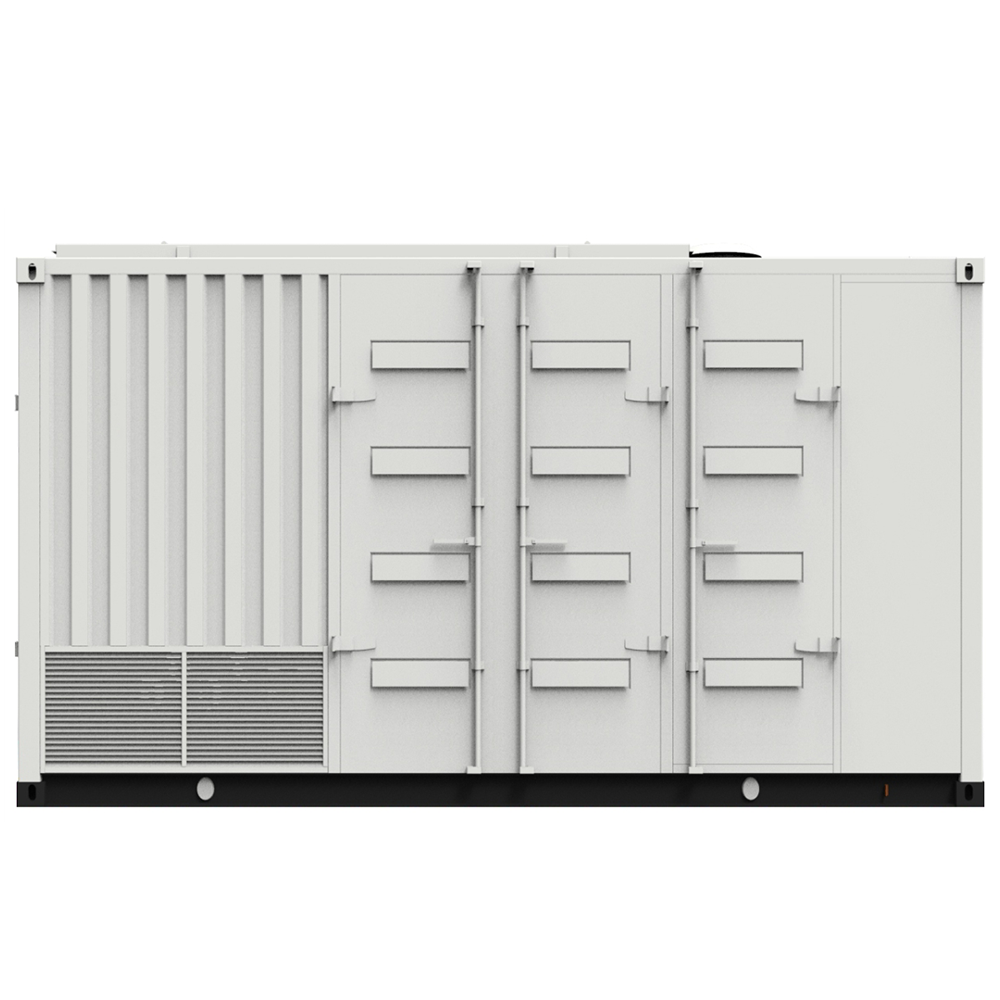
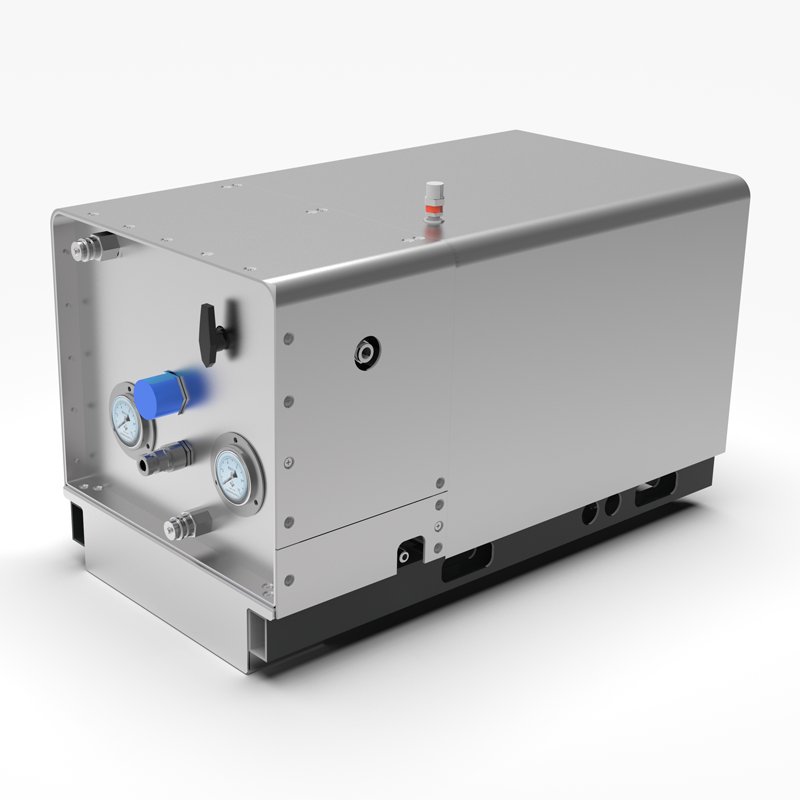
A hydrogen production plant is a facility that generates hydrogen through water electrolysis, powered entirely by renewable energy. Key components include solar panels/wind turbines for electricity generation, electrolyzers (e.g., PEM, alkaline) to split water into H₂ and O₂, purification units to remove impurities, and storage systems (e.g., high-pressure tanks, liquid hydrogen cryostats) for hydrogen retention. For instance, Chevron’s Lost Hills plant uses a 29-MW solar field to power electrolysis, producing 2.2 tonnes of green hydrogen daily. Hyto’s plants may integrate AEM electrolyzers for cost-effective, high-efficiency production, with capacities ranging from small-scale distributed units to large industrial complexes. Such plants play a pivotal role in scaling green hydrogen supply for industrial, transportation, and residential applications.
Frequently Asked Questions

Do you offer hydrogen tanks for long-distance transport?

Yes, we provide liquid hydrogen tanks that use ultra-low temperature liquefaction technology. These tanks are specifically designed for long-distance transport of hydrogen, ensuring efficient and safe delivery to distant locations.
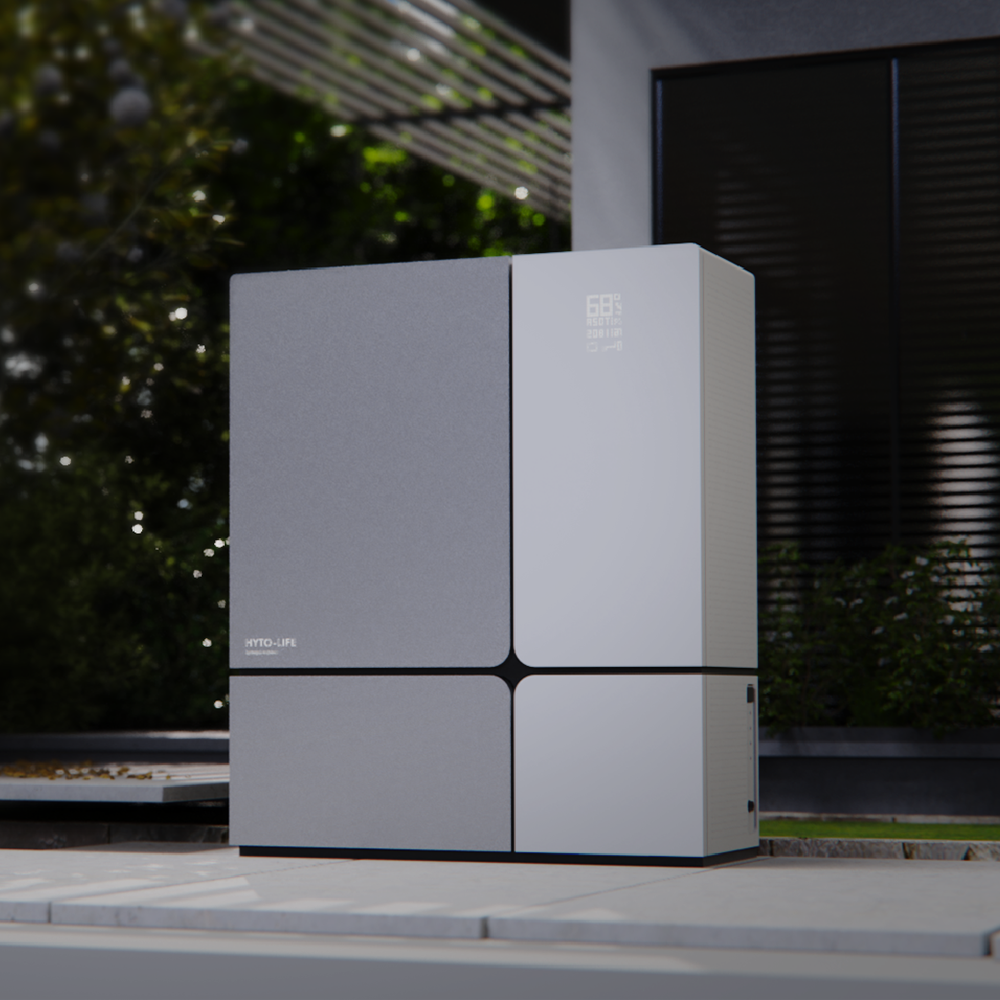
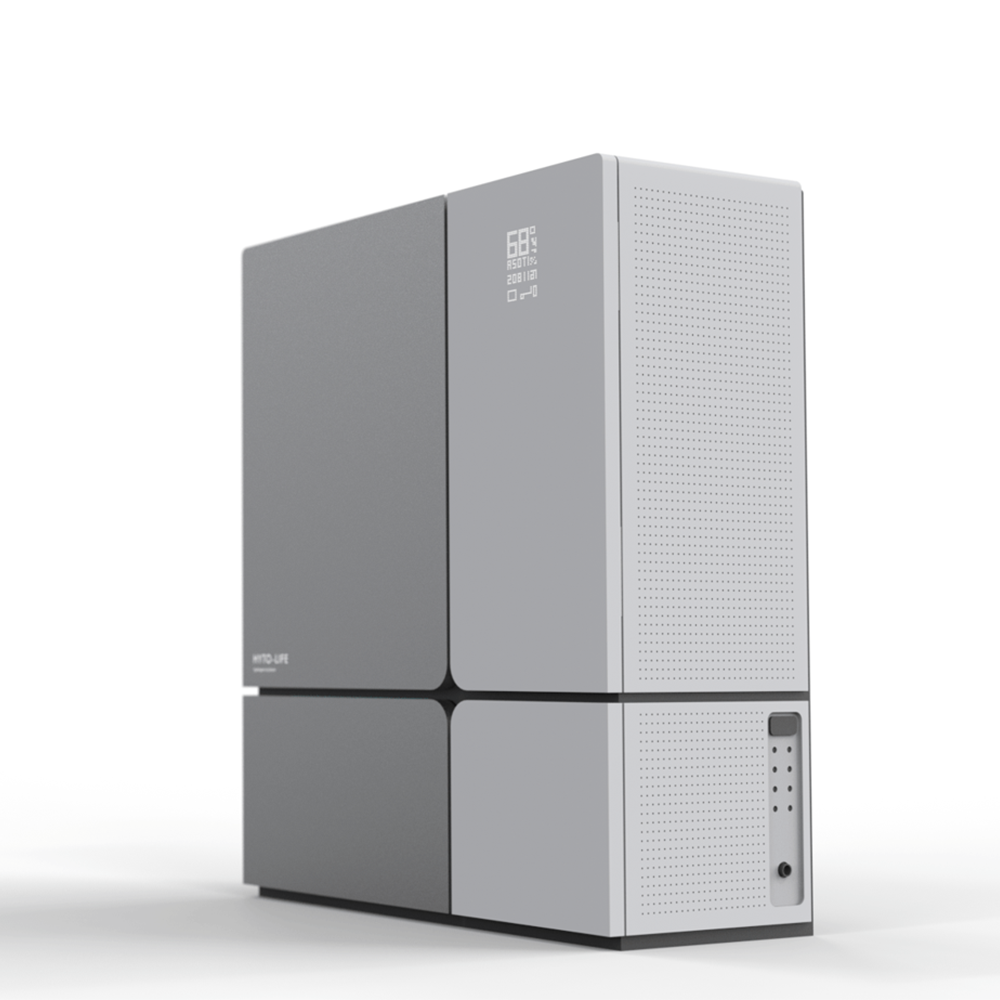
For larger households, our Picea series (e.g., Picea 2) and scaled-up Lavo-inspired systems are suitable. They integrate larger electrolyzers, increased hydrogen storage, and higher-capacity fuel cells to meet greater electricity and heating demands.
Our home systems, like Lavo-inspired storage and Picea, are designed for easy installation. They come with user-friendly instructions and modular components, minimizing installation time and complexity, often requiring basic technical expertise.
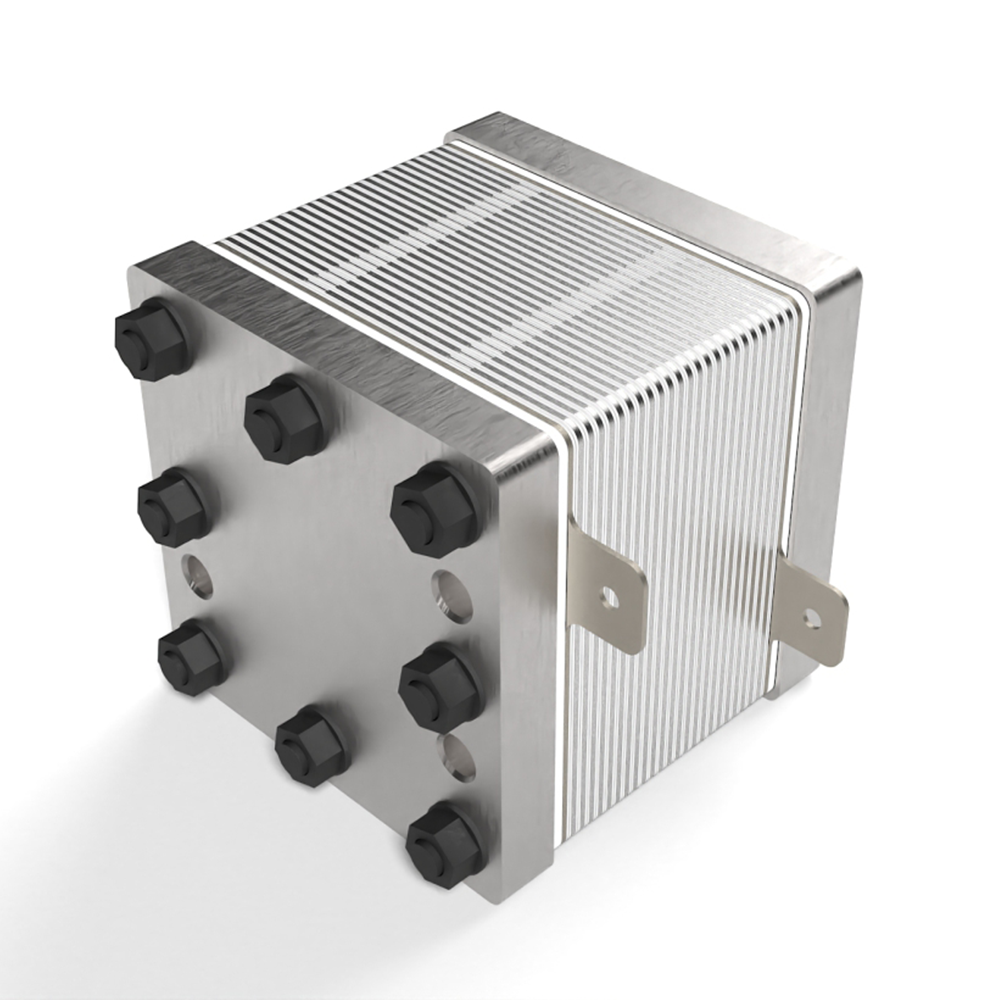
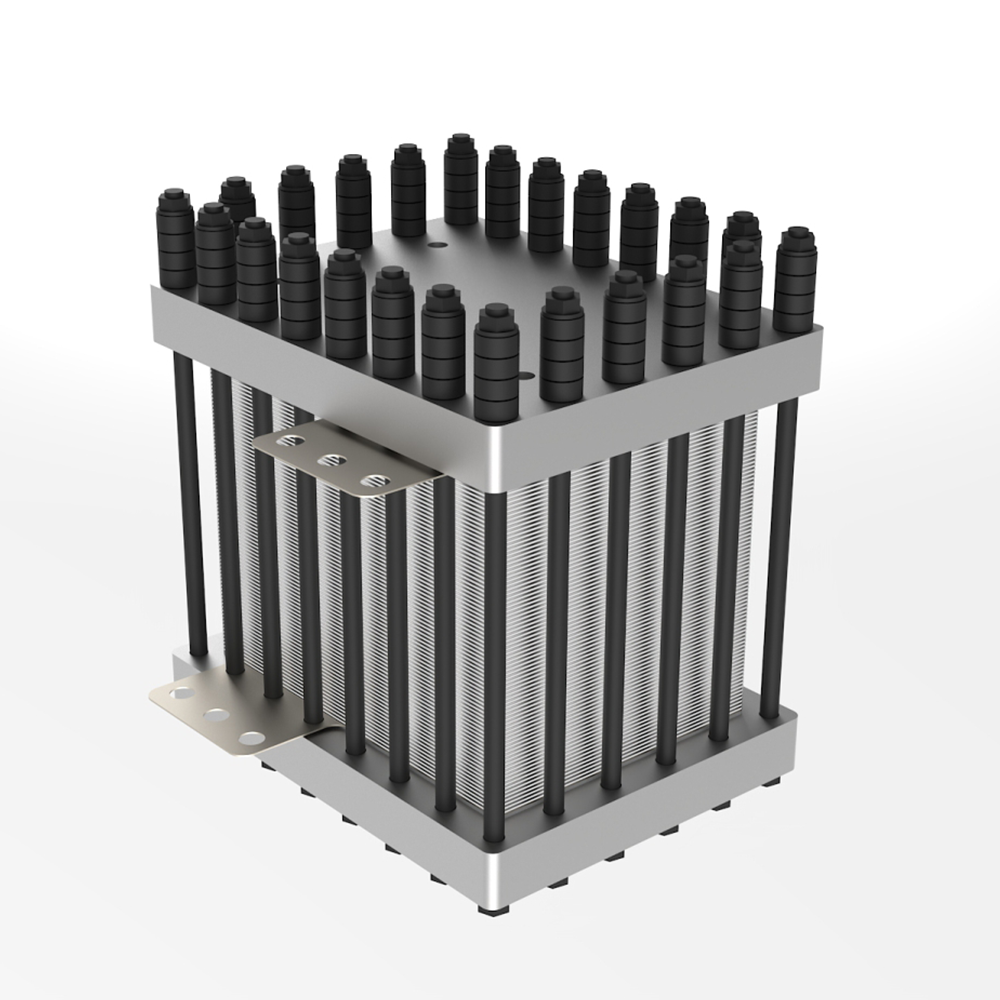
Maintenance needs vary by type: alkaline electrolyzers have low maintenance due to mature design; PEM and AEM electrolyzers, while efficient, require periodic checks on membranes and catalysts. We provide guidelines and support to simplify upkeep.

Related Articles

PEM Electrolyzer: High-Efficiency Hydrogen Production for Renewable Energy Integration

20

Mar

PEM Electrolyzer: High-Efficiency Hydrogen Production for Renewable Energy Integration

In the global pursuit of carbon neutrality, green hydrogen has emerged as a core carrier of clean energy, bridging the gap between intermittent renewable energy and stable energy supply. Proton Exchange Membrane (PEM) electrolyzer stands out as a pi...
View More
Alkaline Electrolyzer: The Mature Technology Powering Large-Scale Hydrogen Production

25

Sep

Alkaline Electrolyzer: The Mature Technology Powering Large-Scale Hydrogen Production

Alkaline Electrolyzer Technology OverviewCore Components and Operating PrinciplesAlkaline electrolyzers are composed of several core components, each playing a crucial role in the electrolysis process. These components include the anode, cathode, ele...
View More
AEM Electrolyzer: The Emerging Technology Revolutionizing Hydrogen Production

28

Jun

AEM Electrolyzer: The Emerging Technology Revolutionizing Hydrogen Production

What is an AEM Electrolyzer?How AEM Electrolyzers WorkAEM electrolyzers, or anion exchange membrane electrolyzers, operate by utilizing an anion-conducting membrane, which permits the passage of hydroxide ions. This is distinct from other types of el...
View More
HPS Picea System: Integrated Home Energy Solution Combining Electrolysis, Storage and Fuel Cell

13

Aug

HPS Picea System: Integrated Home Energy Solution Combining Electrolysis, Storage and Fuel Cell

Understanding Integrated Home Energy Solutions The Role of Renewable Energy in Modern Households Renewable energy has become a crucial element in the quest to reduce our carbon footprints and create sustainable households. Sources such as solar a...
View More

Customer Reviews

Michael Brown

Switching to Hyto’s green hydrogen for steel processing reduced our carbon footprint by 85%. It’s pure, reliable, and pairs perfectly with our wind turbines. No more fossil fuel reliance—our sustainability reports have never looked better.

David Kim

As a chemical manufacturer, green hydrogen from Hyto replaced fossil-based hydrogen in ammonia synthesis. Purity is excellent, production is steady, and it’s helped us meet strict emission regulations. Cost-effective over time with renewable partnerships.

Get a Free Quote

Our representative will contact you soon.
0/1000
Green Hydrogen: Zero-Carbon Energy from Renewable Sources

Green Hydrogen: Zero-Carbon Energy from Renewable Sources

Green hydrogen is produced by electrolyzing water using electricity from renewable sources like solar and wind. The entire production process has zero carbon emissions, making it a clean energy carrier that supports global carbon neutrality efforts across industrial, transportation, and residential sectors.