Hydrogen Energy Solutions for Clean Power & Industrial Use

Hydrogen Energy: Our Versatile Clean Secondary Energy

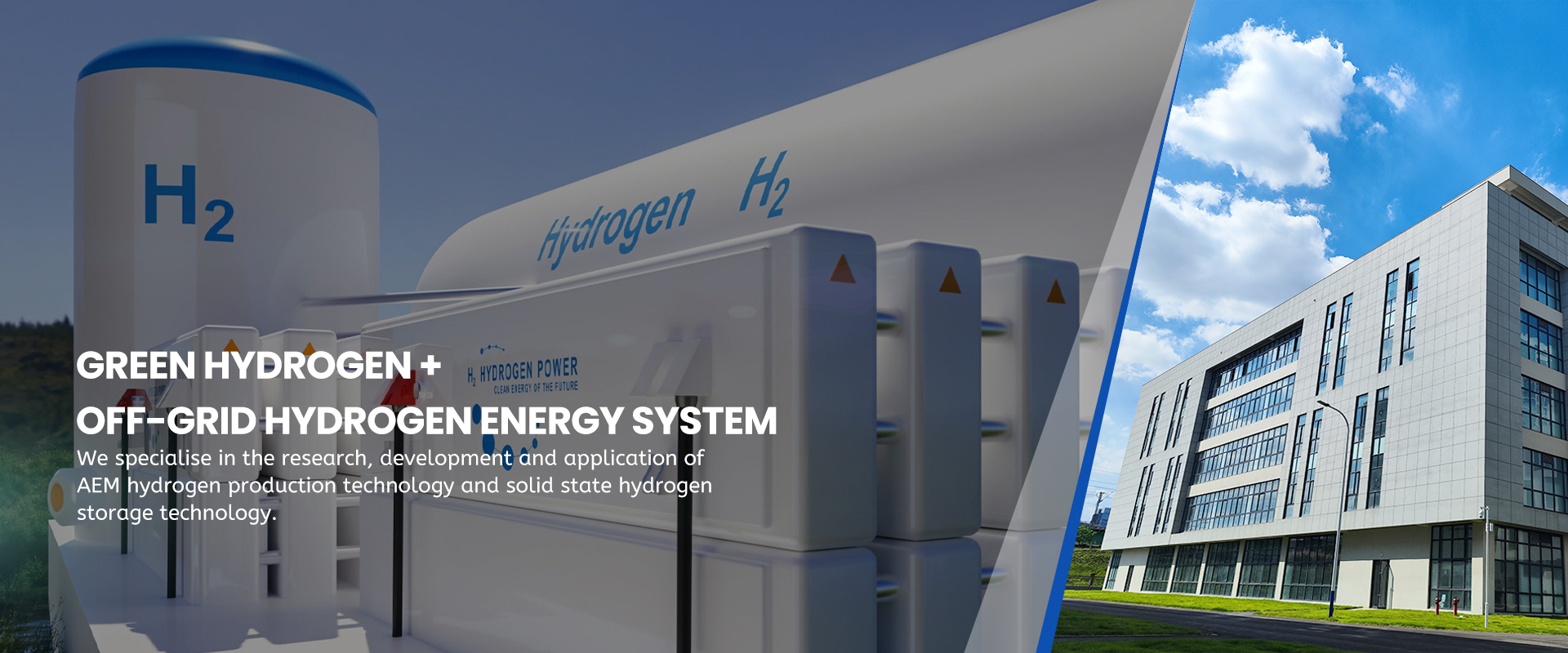
Hydrogen energy is a core focus. As a clean, efficient secondary energy, it's produced via electrolysis and other methods, used in power generation, heating, transport, and industry, driving the global energy transition to cleanliness.
Get A Quote

Why choose us?

Safe and convenient Lavo-inspired home storage

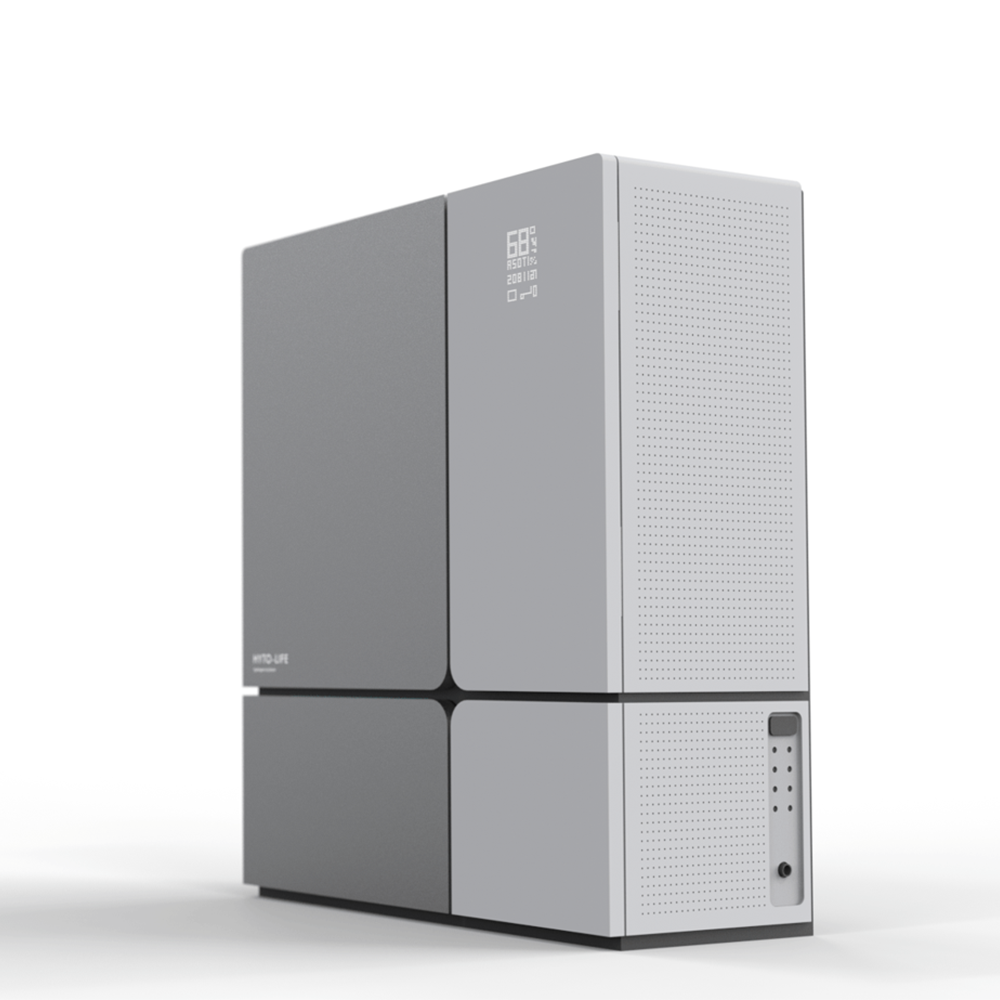
Our home metal hydride storage (inspired by Lavo) pairs with solar, converting excess electricity to hydrogen safely, with easy installation and maintenance.

Modular design for flexible deployment

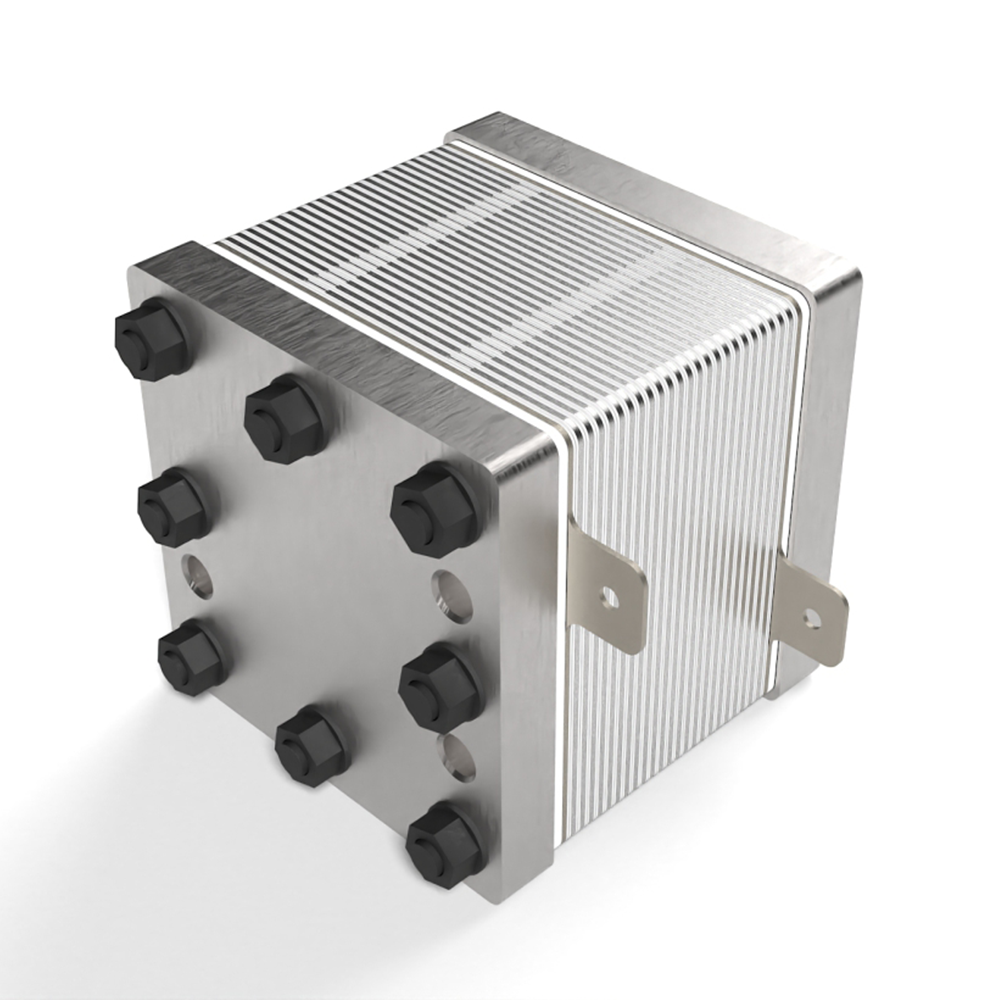
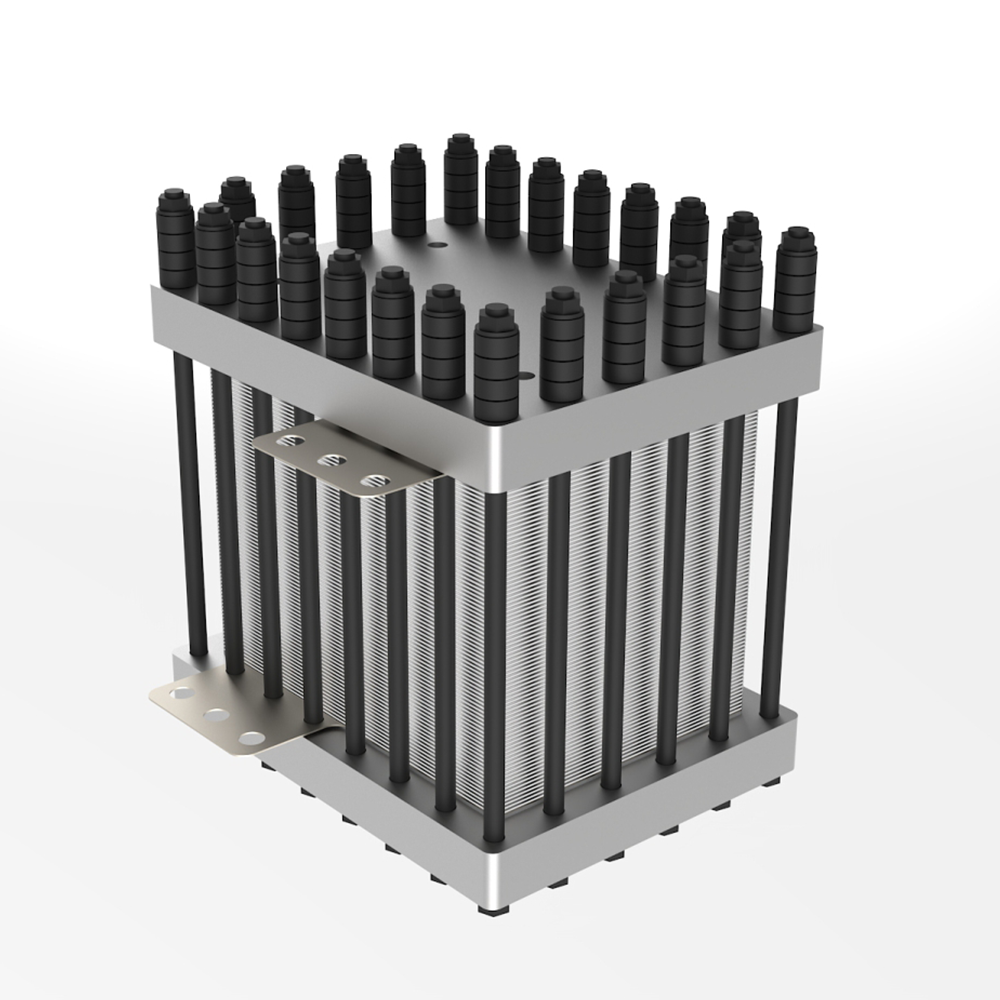
Following Enapter's model, our small, modular electrolyzers (PEM/AEM) enable flexible deployment in homes and commercial settings, with low maintenance.

Efficient integrated energy systems

HPS-integrated systems (e.g., Picea 2) combine hydrogen production, storage, and power generation, with heat recovery to boost overall energy efficiency.

Related products

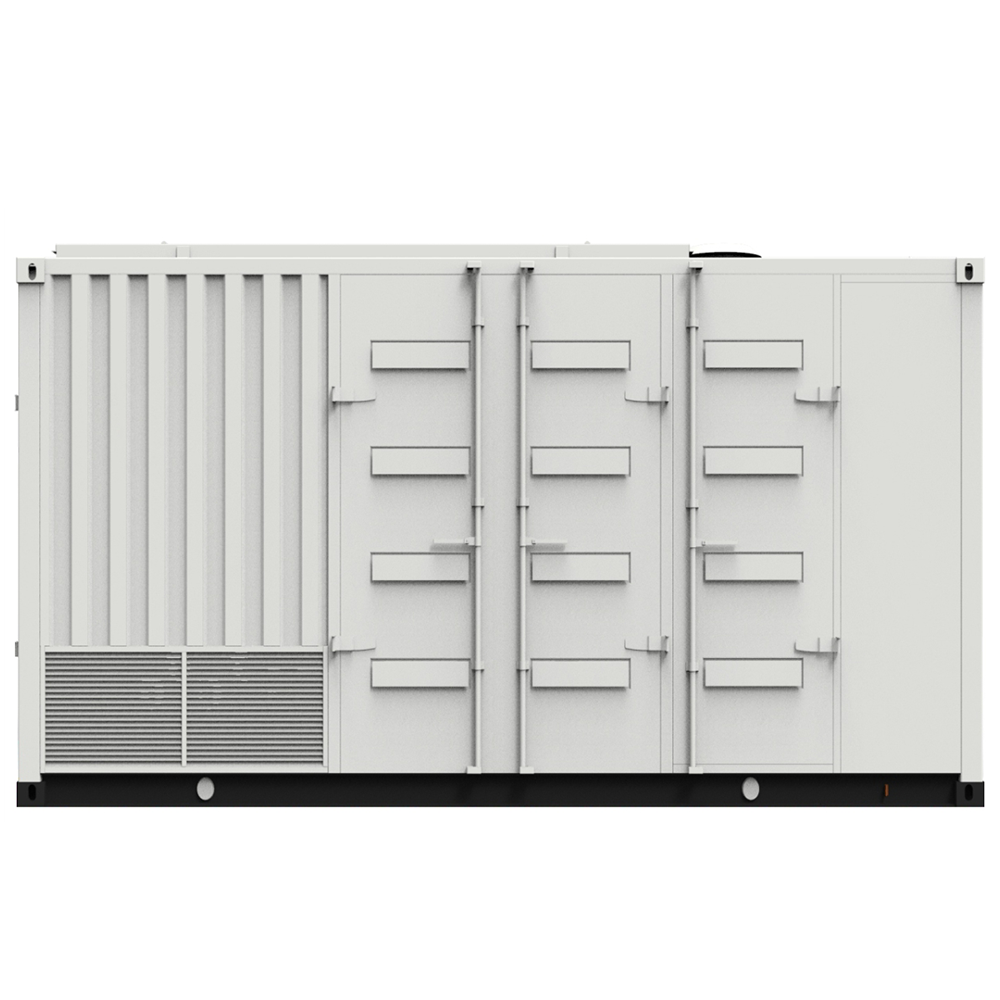
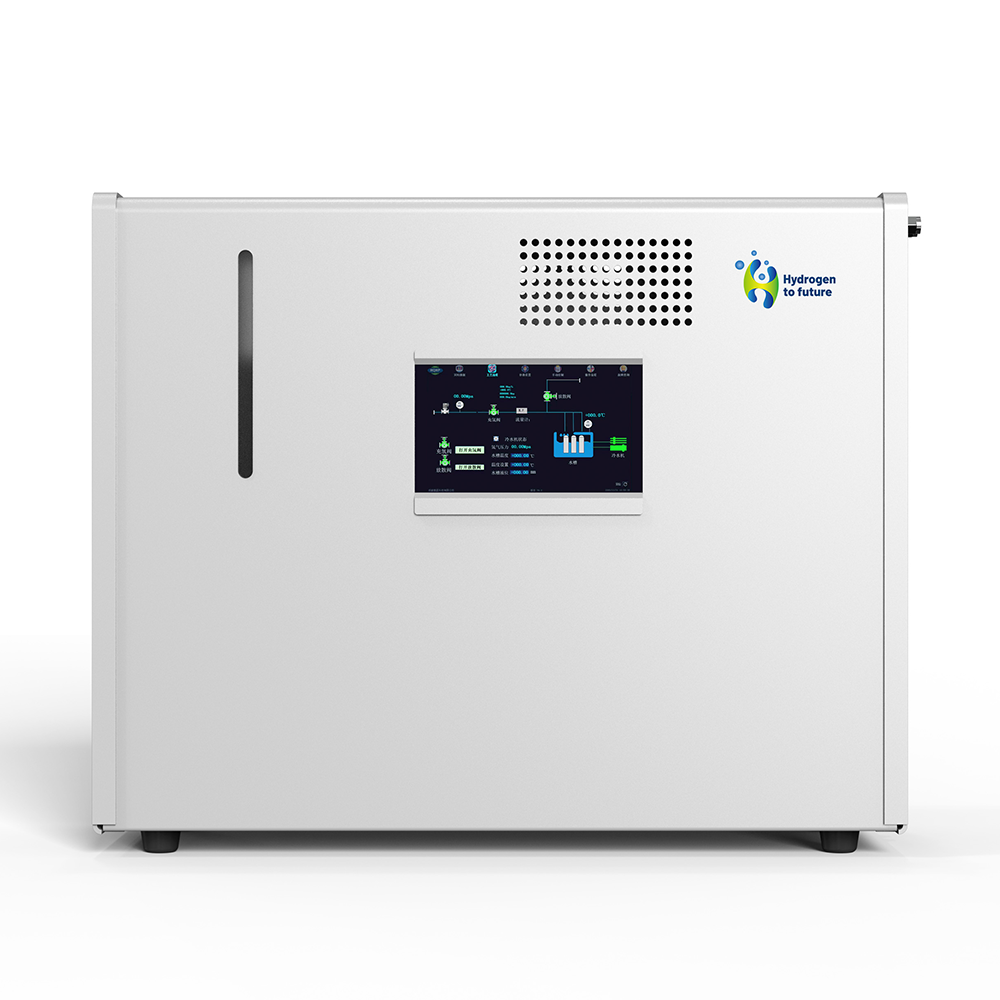
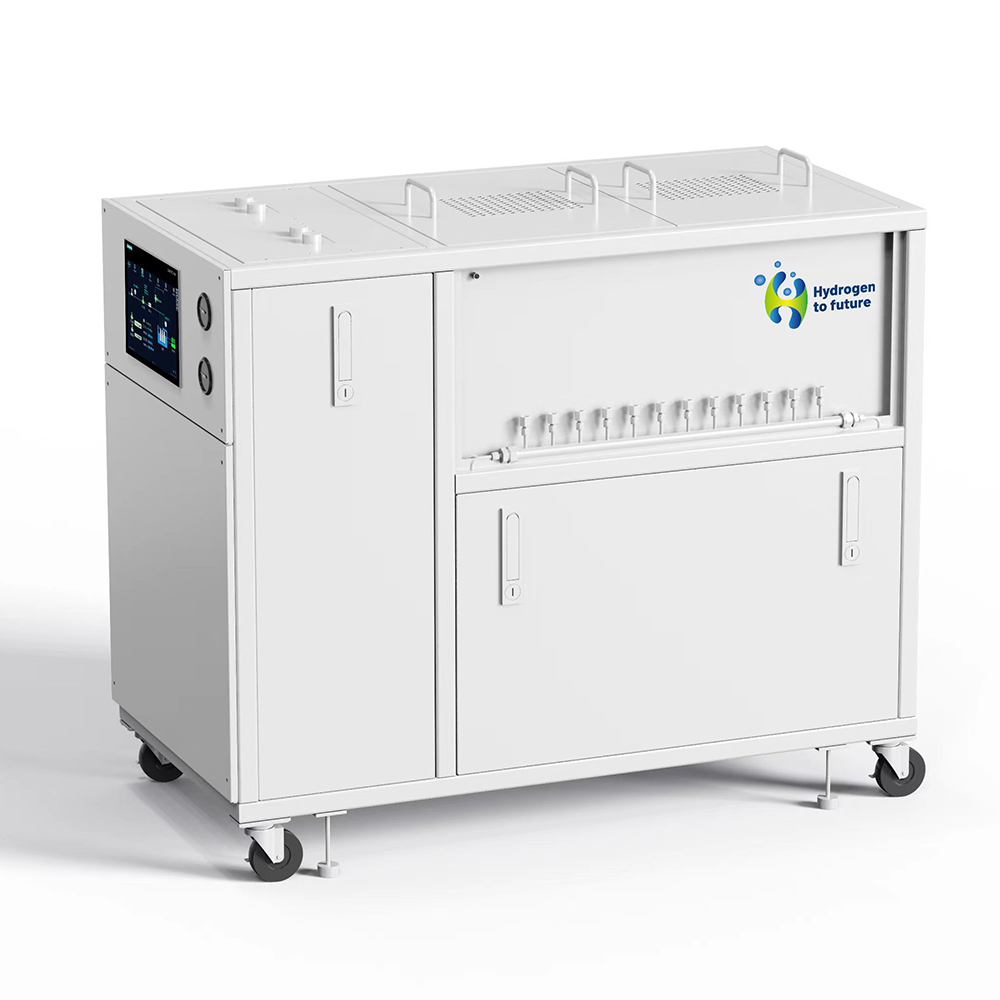
A hydrogen energy smart grid integrates hydrogen production, storage, and conversion technologies with digital management systems to create a flexible, efficient energy network, and Hyto Energy offers comprehensive solutions to enable this integration. At its core, the grid uses renewable energy (solar, wind) to power electrolyzers—primarily PEM models, chosen for their fast response to variable inputs—converting excess electricity into hydrogen. This hydrogen is stored in metal hydride systems (for short-term) or liquid tanks (for long-term) until needed, acting as a “battery” to balance grid supply and demand. When electricity demand peaks, fuel cells convert stored hydrogen back into power, with waste heat captured for heating or industrial use. Smart management systems, incorporating AI and real-time data analytics, optimize this process: they predict renewable energy output, adjust electrolyzer production, manage storage levels, and dispatch hydrogen-fueled power where needed, ensuring grid stability. Hyto’s smart grid solutions are scalable, from community-level microgrids to utility-scale networks, and include features like demand response (adjusting user consumption based on supply) and integration with existing power infrastructure. By combining hydrogen’s storage capabilities with smart technology, these grids enhance renewable energy adoption, improve reliability, and reduce carbon emissions, making them a cornerstone of future energy systems.
Frequently Asked Questions

What is the energy density of your metal hydride storage?

Our metal hydride storage systems offer high energy density due to the chemical bonding of hydrogen with metals. This allows for compact storage with a high amount of hydrogen per unit volume, ideal for space-constrained applications.
The amount varies by electrolyzer efficiency: our PEM electrolyzers, with over 80% efficiency, require approximately 4.5-5.5 kWh of renewable electricity per kg of hydrogen, making them energy-efficient producers of green hydrogen.
We understand the investment in hydrogen systems, so we work with financial partners to offer flexible financing options. These may include leases, loans, or power purchase agreements, making our systems more accessible to clients.
Our electrolyzers and fuel cells operate at low noise levels. This makes them suitable for residential areas, offices, and other noise-sensitive environments, ensuring minimal disruption to daily activities.

Related Articles

Green Hydrogen: The Key to Achieving Carbon Neutrality in Energy Transition

28

Jun

Green Hydrogen: The Key to Achieving Carbon Neutrality in Energy Transition

The Critical Role of Green Hydrogen in Achieving Carbon NeutralityWhy Green Hydrogen is Essential for Energy TransitionGreen hydrogen is pivotal for the energy transition from fossil fuels to renewable sources, effectively serving as a clean energy c...
View More
Hydrogen Tank Technologies: Comparison of High-Pressure Gaseous and Liquid Storage

20

Mar

Hydrogen Tank Technologies: Comparison of High-Pressure Gaseous and Liquid Storage

1. The Critical Role of Hydrogen Tank Technologies in the Hydrogen Industry Hydrogen storage is the core link connecting hydrogen production and utilization in the hydrogen energy industry, and tank-based storage technologies are the most widely ap...
View More
Plug Power PEMFC: Leading Solutions for Forklift and Stationary Power Applications

25

Sep

Plug Power PEMFC: Leading Solutions for Forklift and Stationary Power Applications

Core Principles of Proton Exchange Membrane Fuel Cells Proton Exchange Membrane Fuel Cells (PEMFCs) are pioneering technologies transforming chemical energy into electrical energy through a clean electrochemical process. The process involves a fundam...
View More
HPS Picea System: Integrated Home Energy Solution Combining Electrolysis, Storage and Fuel Cell

13

Aug

HPS Picea System: Integrated Home Energy Solution Combining Electrolysis, Storage and Fuel Cell

Understanding Integrated Home Energy Solutions The Role of Renewable Energy in Modern Households Renewable energy has become a crucial element in the quest to reduce our carbon footprints and create sustainable households. Sources such as solar a...
View More

Customer Reviews

Farmer John Wilson

Hyto’s hydrogen energy powers our tractors, heats our barns, and runs our processing equipment. It’s versatile—one energy source for all needs. Produced from our solar panels, so it’s cheap and clean. Game-changing for agriculture.

Homeowner Amanda Evans

Hydrogen energy from Hyto simplified our home—no more juggling solar, batteries, and grid. It’s one system: make, store, use. Powers everything, heats our home, and we understand it. Clean energy doesn’t have to be complicated.

Get a Free Quote

Our representative will contact you soon.
0/1000
Hydrogen Energy: Versatile, Clean Secondary Energy for Multiple Sectors

Hydrogen Energy: Versatile, Clean Secondary Energy for Multiple Sectors

Hydrogen energy is a clean, efficient secondary energy source produced via electrolysis or reforming. It is used in power generation, heating, transportation, and industry, serving as a key carrier in the global transition to low-carbon energy systems.