AEM Electrolyzers: Cost-Effective & Efficient Hydrogen Production

AEM: Our Innovative Electrolyzer Merging Cost and Efficiency

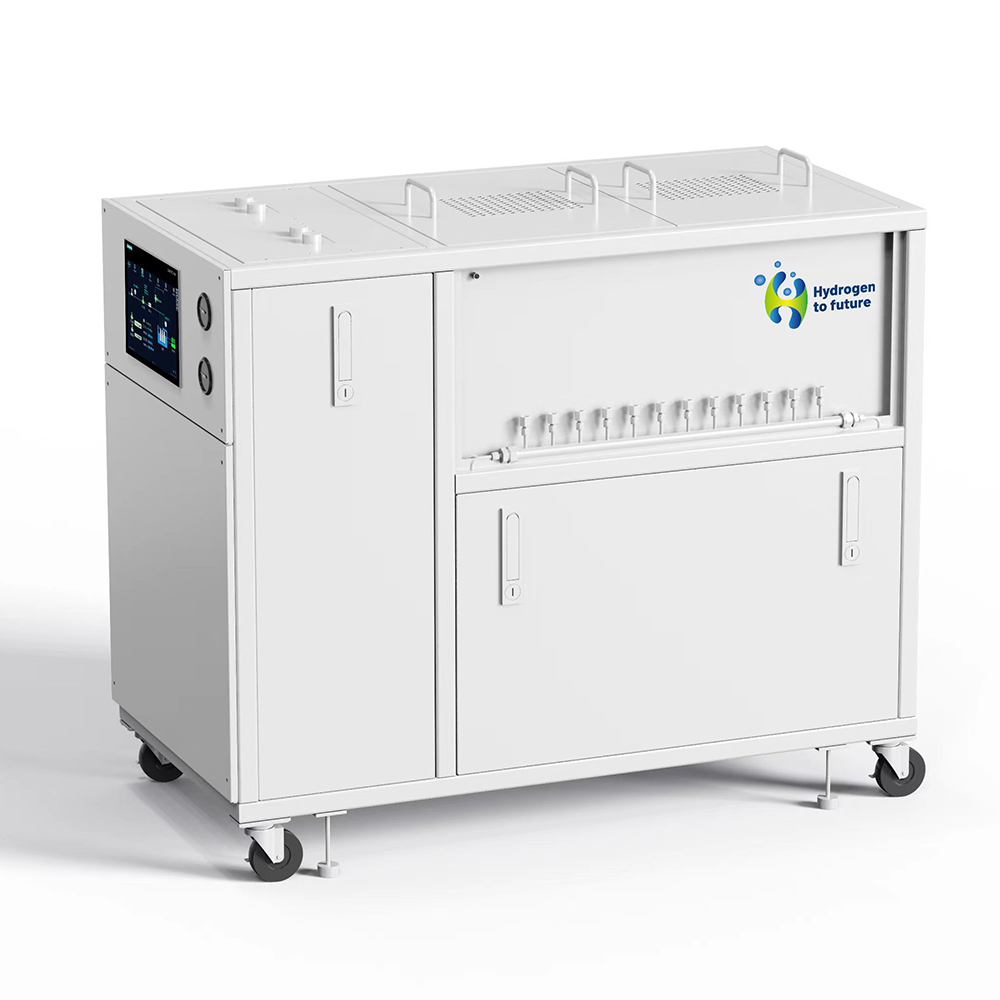
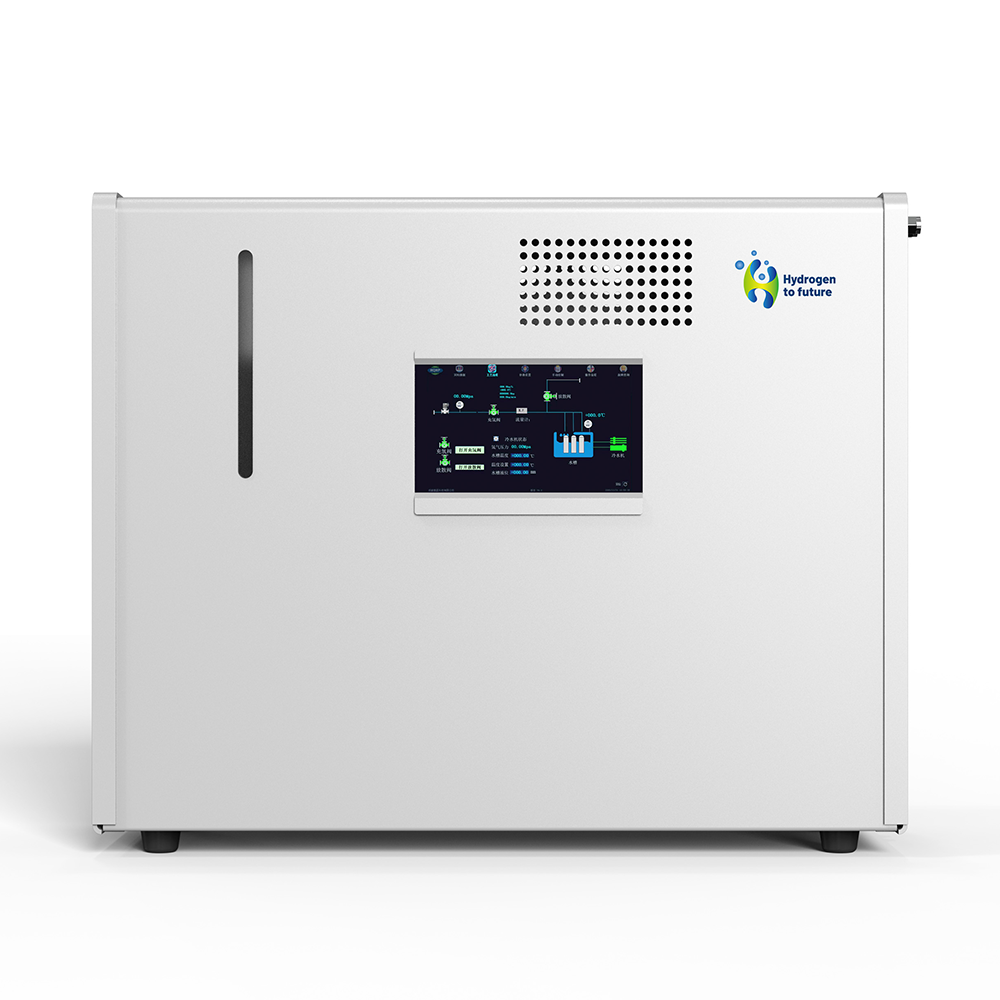
Our AEM electrolyzers use anion exchange membranes, combining the cost advantages of alkaline electrolyzers and the high efficiency of PEM. With non-precious metal catalysts, they are in early commercialization, suitable for diverse hydrogen production needs.
Get A Quote

Why choose us?

Efficient integrated energy systems

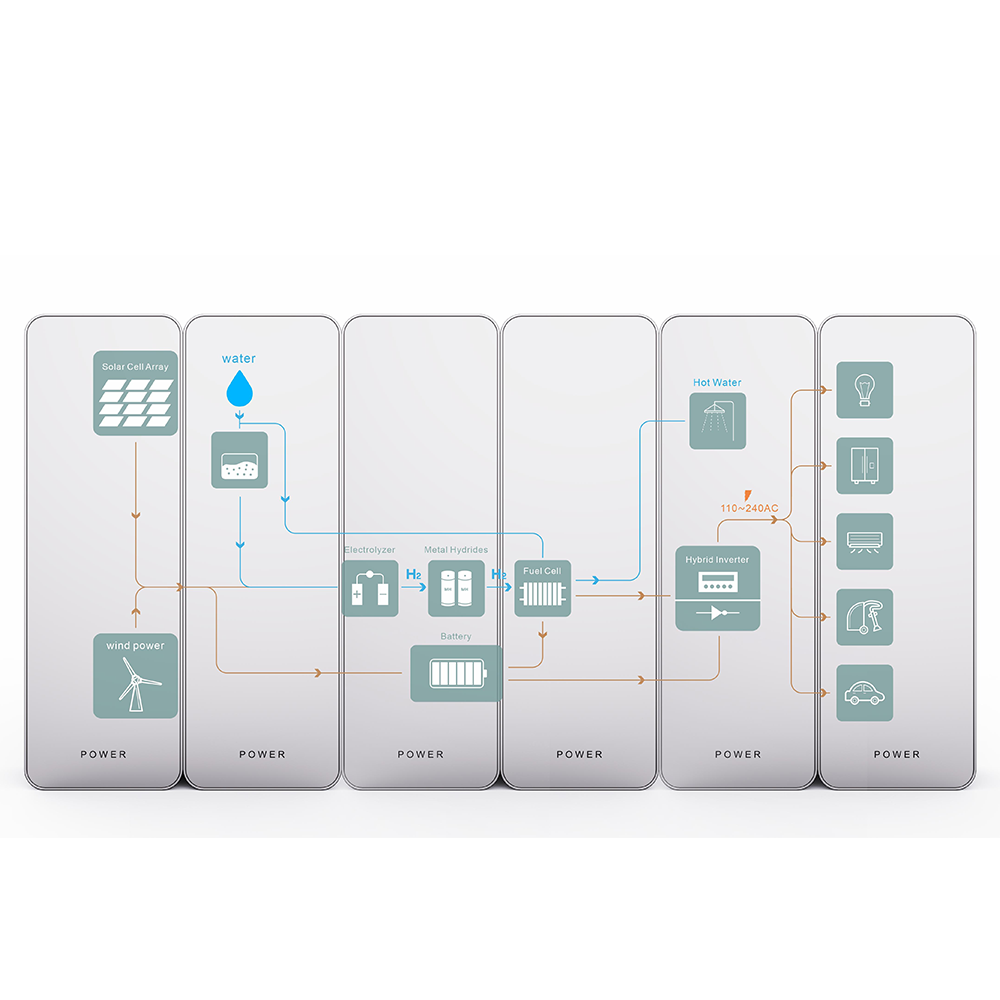
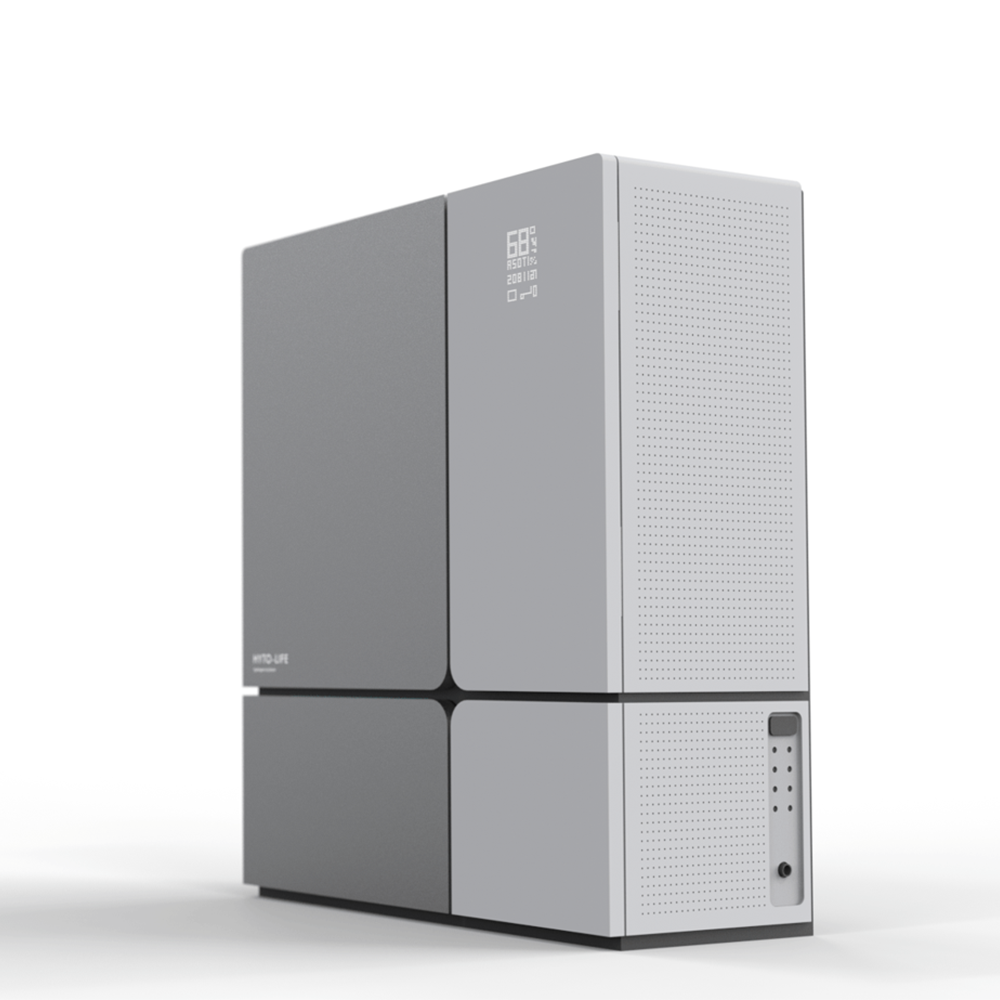
HPS-integrated systems (e.g., Picea 2) combine hydrogen production, storage, and power generation, with heat recovery to boost overall energy efficiency.

Reliable fuel cell logistics solutions

Similar to Plug Power, our PEMFC solutions for forklifts and logistics vehicles offer reliable, clean power, serving enterprises like Amazon and Walmart.

Professional support for hydrogen vehicle components

Like GKN, we provide fuel cell system integration and hydrogen tank technology, supporting automakers in developing hydrogen-powered models.

Related products

AEM scalable production refers to the ability to manufacture Anion Exchange Membrane (AEM) electrolyzers on a large scale, meeting the growing demand for cost-effective hydrogen production across industrial, commercial, and residential applications. Hyto Energy prioritizes AEM scalable production, recognizing it as a critical step toward making AEM technology a mainstream option in the hydrogen market. A key focus of Hyto’s AEM scalable production is developing modular electrolyzer designs. These modular units can be easily combined to form larger systems, allowing production capacity to be scaled up incrementally—from small distributed units to large industrial plants. This flexibility reduces upfront investment risks, as users can start with smaller systems and expand as demand grows, making AEM technology accessible to a wider range of customers. Scalable production also involves optimizing manufacturing processes for efficiency and consistency. Hyto invests in automated assembly lines and standardized components, ensuring that each AEM electrolyzer unit meets strict performance criteria. This includes precision manufacturing of critical components like membranes, electrodes, and bipolar plates, using techniques that enable high-volume production without compromising quality. Material selection is another aspect of AEM scalable production. Hyto focuses on sourcing low-cost, abundant materials—such as non-precious metal catalysts and affordable polymers for membranes—ensuring that scaling production does not lead to cost increases. This includes developing supply chain partnerships to secure a steady flow of raw materials, critical for maintaining production volumes. Additionally, scalable production involves streamlining quality control processes, implementing rigorous testing at each production stage to identify and address issues early. This ensures that large-scale AEM electrolyzer systems operate reliably, with consistent efficiency and durability. Through advancements in AEM scalable production, Hyto aims to drive down costs while increasing availability, accelerating the adoption of AEM technology in green hydrogen production. For details on current production capacities and scaling plans, contacting Hyto Energy is advisable.
Frequently Asked Questions

How does AI enhance your hydrogen systems?

We integrate AI to optimize system performance. AI monitors electrolyzer efficiency, predicts maintenance needs, adjusts hydrogen production based on renewable energy input, and manages storage levels, ensuring optimal operation and energy utilization.
Our hydrogen tanks are built for longevity. High-pressure gaseous tanks and liquid tanks have a long service life with proper maintenance, often lasting decades. Metal hydride systems also offer durable storage with stable performance over time.
Yes, our integrated systems (solar + electrolyzer + storage + fuel cell) are ideal for off-grid locations. They generate, store, and supply energy independently, providing reliable power to remote areas without access to traditional grids.
Our HRS captures waste heat from fuel cells and electrolyzers, repurposing it for heating or additional power generation. This reduces energy waste, increasing the overall efficiency of our hydrogen energy systems.

Related Articles

Fuel Cell Technology: From Working Principles to Wide-Range Applications

28

Jun

Fuel Cell Technology: From Working Principles to Wide-Range Applications

How Fuel Cell Technology Works: Core Principles and Mechanisms The Electrochemical Reaction Behind Energy Generation Fuel cells generate energy through a remarkable electrochemical reaction, where hydrogen and oxygen interact to produce electricity,...
View More
Green Hydrogen: The Key to Achieving Carbon Neutrality in Energy Transition

28

Jun

Green Hydrogen: The Key to Achieving Carbon Neutrality in Energy Transition

The Critical Role of Green Hydrogen in Achieving Carbon NeutralityWhy Green Hydrogen is Essential for Energy TransitionGreen hydrogen is pivotal for the energy transition from fossil fuels to renewable sources, effectively serving as a clean energy c...
View More
Plug Power PEMFC: Leading Solutions for Forklift and Stationary Power Applications

25

Sep

Plug Power PEMFC: Leading Solutions for Forklift and Stationary Power Applications

Core Principles of Proton Exchange Membrane Fuel Cells Proton Exchange Membrane Fuel Cells (PEMFCs) are pioneering technologies transforming chemical energy into electrical energy through a clean electrochemical process. The process involves a fundam...
View More
HPS Picea System: Integrated Home Energy Solution Combining Electrolysis, Storage and Fuel Cell

13

Aug

HPS Picea System: Integrated Home Energy Solution Combining Electrolysis, Storage and Fuel Cell

Understanding Integrated Home Energy Solutions The Role of Renewable Energy in Modern Households Renewable energy has become a crucial element in the quest to reduce our carbon footprints and create sustainable households. Sources such as solar a...
View More

Customer Reviews

Christopher Evans

Our AEM system needs minimal checks—no frequent part replacements. Produces consistent hydrogen for our research lab. It’s compact, fits in our facility easily, and integrates with our existing power setup. Very satisfied.

Amanda Turner

As a startup, Hyto’s AEM electrolyzer was the right fit—lower upfront cost than PEM, efficient enough for our needs. It’s helped us produce green hydrogen for local clients without big investment. Reliable performance so far.

Get a Free Quote

Our representative will contact you soon.
0/1000
AEM Electrolyzer: Cost-Efficient Innovation Merging Alkaline and PEM Benefits

AEM Electrolyzer: Cost-Efficient Innovation Merging Alkaline and PEM Benefits

AEM electrolyzers use anion exchange membranes, combining the low cost of alkaline electrolyzers with the high efficiency of PEM systems. They employ non-precious metal catalysts, making them an emerging, cost-effective option suitable for early commercialization and diverse hydrogen production needs.